Table of Contents
If you’ve ever ended a workday with throbbing hands, tingling fingers, or that deep ache in your wrists that makes you question your career choices, you’re not alone. Hand fatigue isn’t just an inconvenience—it’s a progressive injury that can sideline skilled tradespeople, derail weekend warriors, and turn a simple task like driving nails into a painful ordeal. The culprit? Often, it’s not the work itself but the tool in your hand. Traditional hammer designs haven’t evolved much in a century, while our understanding of repetitive strain injuries has grown exponentially.
The good news is that modern ergonomic hammers are engineered specifically to keep you working longer with less pain. These aren’t just slightly curved handles with rubber grips—they’re precision instruments designed around human biomechanics, shock physics, and the realities of eight-hour workdays. This guide cuts through the marketing noise to show you exactly what features matter, why they work, and how to choose the right ergonomic hammer for your hands, your trade, and your long-term health.
Top 10 Ergonomic Hammers
Detailed Product Reviews
1. ESTWING Hammer - 16 oz Straight Rip Claw with Smooth Face & Shock Reduction Grip - E3-16S
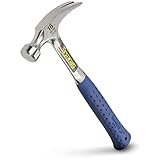
Overview: The ESTWING E3-16S represents nearly a century of American tool-making excellence. This 16-ounce rip claw hammer is forged from a single piece of solid American steel, delivering professional-grade performance for framers, carpenters, and serious DIY enthusiasts. The longer handle design amplifies striking power while maintaining exceptional balance and control across various demolition and construction tasks.
What Makes It Stand Out: The patented Shock Reduction Grip sets this hammer apart, reducing impact vibration by 70% compared to conventional designs. This isn’t just a comfort feature—it’s a career-extending innovation that reduces fatigue and prevents long-term joint damage. The one-piece forging eliminates weak points where heads separate from handles, a common failure in lesser hammers. Made continuously in Rockford, Illinois since 1923, it carries a legacy of craftsmanship that few tools can match.
Value for Money: Priced at the premium end of the spectrum, the ESTWING justifies every dollar through unmatched durability. While budget hammers might last a few years, this is a lifetime investment that often becomes a professional’s only hammer for decades. The cost-per-use equation heavily favors this tool for anyone who swings a hammer daily, making it economically smart despite higher initial cost.
Strengths and Weaknesses: Pros: Unparalleled one-piece durability; superior vibration reduction; excellent balance and striking power; professional-grade materials; Made in USA quality. Cons: Higher upfront cost; grip may feel bulky for users with smaller hands; overkill for occasional light-duty tasks.
Bottom Line: For professionals and serious hobbyists, the ESTWING E3-16S is the gold standard. Its combination of durability, comfort, and American craftsmanship makes it worth the premium investment.
2. Mr. Pen- 8oz Small Magnetic Claw Nail Hammer for Women

Overview: The Mr. Pen 8oz hammer reimagines the traditional claw hammer for accessibility and ease of use. Constructed from high-density carbon steel with an anti-rust finish, this compact tool targets users seeking lightweight maneuverability without sacrificing core functionality. Its ergonomic non-slip handle and magnetic features make it particularly approachable for beginners and those with smaller hands.
What Makes It Stand Out: Weighing half as much as standard hammers, this tool dramatically reduces arm fatigue during extended use. The magnetic nail starter enables one-handed operation—a game-changer when working on ladders or in tight spaces. Its compact dimensions make it exceptionally portable, fitting easily into tool bags or kitchen drawers for quick household fixes. The anti-rust coating ensures longevity even in humid environments.
Value for Money: This budget-friendly option delivers remarkable functionality for its price point. While it can’t match professional hammers for heavy framing, it excels at its intended purpose: light-duty DIY projects, picture hanging, and minor repairs. For occasional users, it eliminates the cost barrier of premium tools while providing features often found in more expensive models, offering exceptional utility per dollar.
Strengths and Weaknesses: Pros: Extremely lightweight and easy to control; magnetic starter adds convenience; ergonomic grip; portable size; affordable entry point. Cons: Insufficient mass for serious construction; not built for professional daily use; marketing toward women may alienate some potential users; limited driving power.
Bottom Line: Perfect for apartment dwellers, beginners, and anyone prioritizing lightweight control over brute force. It’s a capable, convenient tool for household tasks that won’t break the bank.
3. IRWIN Hammer, Rip Claw Hammer, Ergonomic Textured Grip, 16 OZ (IWHT51216)

Overview: The IRWIN IWHT51216 positions itself as a mid-range powerhouse, offering professional features at a more accessible price point. This 16-ounce rip claw hammer employs one-piece steel construction for strength while incorporating user-friendly innovations like a magnetic nail starter and ergonomic textured grip. It balances durability with thoughtful design elements for improved jobsite performance across framing and demolition work.
What Makes It Stand Out: The axe-style textured grip with integrated finger rest provides exceptional control during precision work—a feature rarely seen in this price class. The magnetic nail starter allows for true one-handed nail placement, increasing efficiency and safety. Built-in vibration reduction technology helps minimize fatigue during all-day use, while the textured grip ensures secure handling in wet or dusty conditions where slippery handles become dangerous.
Value for Money: This hammer hits the sweet spot between budget and premium options. It offers many high-end features—one-piece construction, magnetic starter, ergonomic grip—at a price point that won’t intimidate DIYers or semi-professionals. While it may not have the legendary status of top-tier brands, it delivers 90% of the performance for significantly less investment, making it a smart financial choice.
Strengths and Weaknesses: Pros: One-piece steel durability; magnetic starter enhances convenience; comfortable textured grip; good vibration damping; excellent value proposition. Cons: Grip quality doesn’t match premium competitors; shock reduction less effective than patented systems; brand lacks century-long heritage.
Bottom Line: An excellent all-purpose hammer for serious DIYers and tradespeople on a budget. It combines modern features with solid construction, making it a smart, practical choice for most users.
4. Edward Tools Ball Peen Hammer 16 oz. - Forged Fine Grain Steel Head - Ergonomic Rubber Cusion Grip - Fiberglass Shock Absorbing Shaft - Pein Hammer - Metal Work, Rounding, Blacksmith Hammer, Mechanics
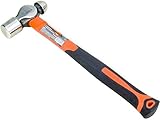
Overview: The Edward Tools Ball Peen Hammer serves metalworkers, mechanics, and blacksmiths with a specialized design that general-purpose hammers can’t match. This 16-ounce tool features a forged fine-grain steel head mounted on a shock-absorbing fiberglass shaft, creating an optimal blend of striking power and user comfort. Its versatility spans from riveting and shaping to precision metal fabrication and automotive work.
What Makes It Stand Out: The fine-grain forged steel head delivers superior impact resistance and durability compared to cast alternatives. The fiberglass shaft’s shock-absorbing properties significantly reduce recoil, protecting wrists during repetitive striking tasks. Edward Tools backs this hammer with a lifetime warranty, demonstrating confidence in its longevity. Its versatility across multiple metalworking applications makes it a workshop multi-tasker that replaces several single-purpose hammers.
Value for Money: Competitively priced for a specialized tool, this hammer offers professional-grade features without the premium cost. The lifetime warranty eliminates replacement concerns, making it a one-time investment. For metalworkers, it replaces several single-purpose hammers, delivering exceptional utility per dollar spent. The fiberglass construction provides durability that wooden handles can’t match in harsh shop environments.
Strengths and Weaknesses: Pros: Excellent for metalworking applications; superior shock absorption; fine-grain steel durability; lifetime warranty; versatile peen design. Cons: Not suitable for nail driving or woodwork; fiberglass handle may not appeal to traditionalists; specialized nature limits general household use.
Bottom Line: For metalworkers, mechanics, and fabricators, this is an outstanding specialized tool. Its metal-specific design and lifetime warranty make it a wise investment for anyone regularly working with steel and iron.
5. Small Rubber Mallet Hammer – 25 mm Lightweight Double-Sided Rubber and Plastic Head | Non-Slip Ergonomic Grip | Durable, Scratch-Free Tool for Jewelry Making & Repair, Valentine Craft, Furniture Setup

Overview: This specialized rubber mallet addresses a completely different need than traditional hammers—delicate, non-marring impact. With its 25mm double-sided head featuring rubber and plastic faces, this lightweight tool protects delicate surfaces while providing controlled striking force. The stainless steel handle and ergonomic grip make it ideal for precision crafts, furniture assembly, and tile work where surface protection is paramount and damage is unacceptable.
What Makes It Stand Out: The replaceable dual-head design offers remarkable versatility: the rubber side cushions blows on delicate materials like jewelry or tile, while the plastic face provides firmer impact for furniture assembly. This adaptability extends the tool’s lifespan and utility across multiple craft disciplines. The scratch-free guarantee preserves workpiece integrity, crucial for visible finishes and delicate components that would be ruined by traditional steel hammers.
Value for Money: Incredibly affordable for a specialized tool that prevents costly material damage. One saved tile or jewelry piece pays for the entire hammer. The replaceable heads extend its service life indefinitely, maximizing long-term value. For crafters and installers, it’s an insurance policy against expensive mistakes and project-ruining accidents that could cost far more than the tool itself.
Strengths and Weaknesses: Pros: Protects delicate surfaces completely; lightweight and precise; replaceable heads extend lifespan; excellent for crafts and assembly; ergonomic design. Cons: Useless for driving nails; very light duty only; heads wear faster than steel; limited general utility beyond specialized tasks.
Bottom Line: Indispensable for jewelry makers, crafters, and installers working with delicate materials. It’s a niche tool that excels brilliantly within its domain but shouldn’t be your only hammer.
6. YIYITOOLS 4-Piece Hammer Set - 2LB Dead Blow, 24oz Ball Peen, 20oz Claw, 3LB Sledgehammer - One-Piece Carbon Steel Forging, Ergonomic Anti-Slip Rubber Grips for Garages, Repair Shops, and DIY

Overview:
This comprehensive hammer set from YIYITOOLS delivers four essential hammers in one package: a 2LB dead blow, 24oz ball peen, 20oz claw, and 3LB sledgehammer. Forged from single-piece carbon steel, these tools target DIYers and professionals tackling diverse projects. The set covers everything from automotive work to demolition, offering a complete striking solution for workshops and job sites.
What Makes It Stand Out:
The one-piece carbon steel forging sets this apart from competitor sets using two-piece designs, dramatically increasing durability and impact resistance. The ergonomic PP+TPR grips reduce vibration across all four hammers, while the dead blow hammer’s shot-filled head prevents rebound. This thoughtful collection eliminates the guesswork of piecing together a hammer arsenal individually.
Value for Money:
Purchasing these hammers separately would cost 30-50% more, making this set an exceptional value. The integrated forging process ensures longevity that budget-friendly welded-head hammers can’t match. For homeowners building a tool collection or professionals needing reliable backups, the price-to-performance ratio is compelling.
Strengths and Weaknesses:
Strengths include versatile task coverage, superior durability from one-piece construction, and space-efficient storage. The anti-slip grips perform well in oily conditions. Weaknesses involve potential weight for casual users—the 3LB sledge may be overkill for light DIY—and possible inconsistencies in handle durability across all four tools.
Bottom Line:
An excellent starter set or workshop backup collection. The YIYITOOLS set offers professional-grade construction at a DIY price point, making it ideal for serious hobbyists, mechanics, and tradespeople who need multiple hammer types without breaking the bank.
7. Mr. Pen- 8oz Small Camping Claw Stubby Tack Magnetic Nail Hammer for Women

Overview:
The Mr. Pen 8oz stubby hammer targets light-duty users with a compact, feature-rich design. Built from high-density carbon steel with anti-rust protection, this hammer excels at camping, crafting, and small home repairs. Its shortened handle and reduced weight make it particularly accessible for users preferring lighter tools, while magnetic features enhance efficiency for tack and nail work.
What Makes It Stand Out:
The magnetic nail starter and claw system solve common frustrations with small fasteners, preventing slips and saving time. A clever counterweight system in the head reduces arm fatigue during extended use—a rare feature in this price tier. The stubby design offers exceptional control for precision tasks where full-sized hammers feel unwieldy.
Value for Money:
Positioned as an affordable specialty hammer, it costs significantly less than premium brands while offering unique features like magnetic assistance. For DIYers needing a secondary hammer or campers requiring a packable tool, the value is undeniable. It’s not designed to replace a primary framing hammer, but as a complementary tool, it punches above its weight class.
Strengths and Weaknesses:
Strengths include lightweight portability, magnetic convenience, ergonomic non-slip grip, and fatigue-reducing counterweight. The compact size excels in tight spaces. Weaknesses: 8oz weight lacks driving power for larger nails, and the stubby handle reduces leverage for stubborn nail removal. Not suitable for heavy construction.
Bottom Line:
Perfect for light DIY, crafting, and camping applications. While not a replacement for a full-sized claw hammer, its specialized features make it an invaluable secondary tool for users prioritizing control, portability, and convenience over raw power.
8. Spec Ops Tools Nailing Hammer, 16 oz, Rip Claw, Smooth Face, Shock-Absorbing Grip, 3% Donated to Veterans

Overview:
The Spec Ops 16oz hammer brings military-inspired engineering to the job site with its ballistically balanced design and rip claw configuration. This tool targets professionals seeking precision and comfort during long workdays. The smooth face delivers clean strikes, while the rip claw excels at demolition and nail pulling. A portion of proceeds supports veterans, adding a mission-driven element to the purchase.
What Makes It Stand Out:
The ballistically balanced head creates a faster, more controlled swing path that improves accuracy and reduces user fatigue. The shock-absorbing MOA grip dampens vibration better than standard rubber handles. The removable rubber mallet cap transforms it into a two-in-one tool, protecting finished surfaces. Additionally, the side nail puller provides superior leverage in confined spaces where traditional claws fail.
Value for Money:
This premium hammer sits in the mid-to-high price range but justifies the cost through innovative features and build quality. The two-in-one functionality eliminates the need for a separate rubber mallet, while the specialized balance system enhances productivity. For professionals who swing a hammer daily, the reduced fatigue and improved accuracy deliver tangible ROI.
Strengths and Weaknesses:
Strengths include exceptional balance, superior vibration dampening, versatile nail pulling options, and the protective mallet cap. The magnetic starter is reliable. Weaknesses: the 16oz weight may feel light for heavy framing, and the premium price exceeds budget-conscious buyers. The rip claw design is less effective for finishing nail removal than curved claws.
Bottom Line:
A top-tier choice for carpenters and contractors prioritizing precision and comfort. While overkill for occasional DIYers, professionals will appreciate the engineering and dual-purpose design. The veteran donation is a meaningful bonus on an already excellent tool.
9. Edward Tools Rubber Mallet Hammer 16 oz - Durable Eco-friendly Rubber Hammer Head for Camping, Flooring, Tent Stakes, Woodworking, Soft Blow Tasks without Damage - Ergonomic Grip Handle

Overview:
The Edward Tools 16oz rubber mallet delivers controlled, non-marring strikes for delicate applications. Its eco-friendly rubber head prevents surface damage while the fiberglass handle absorbs shock. This tool serves campers, woodworkers, flooring installers, and anyone needing gentle persuasion without leaving marks. The 13-inch length provides adequate reach while maintaining maneuverability in tight spaces.
What Makes It Stand Out:
The eco-friendly rubber formulation offers durability without the harsh chemical smell of cheaper alternatives. The shock-absorbing fiberglass handle, reinforced for extra strength, outperforms wooden handles that crack under repeated impact. Its versatility across diverse applications—from tent stakes to laminate flooring—makes it a true multi-tasker in the mallet category.
Value for Money:
Competitively priced against both budget rubber mallets and higher-end dead blow hammers, this tool occupies a sweet spot. The fiberglass handle alone justifies the modest premium over entry-level options. For users needing occasional soft strikes, it’s more cost-effective than risking damage with a steel hammer. The durability ensures years of service, making it a smart long-term investment.
Strengths and Weaknesses:
Strengths include non-damaging strikes, excellent shock absorption, comfortable ergonomic grip, and versatile multi-surface application. The weight is well-balanced for control. Weaknesses: rubber heads can degrade with UV exposure, and the 16oz weight may be insufficient for heavy-duty persuasion tasks. Not suitable for driving nails or heavy demolition.
Bottom Line:
An essential addition to any toolkit requiring finesse. Whether you’re installing flooring, assembling furniture, or camping, this mallet protects your work while delivering reliable performance. For general carpentry, it’s a complementary tool; for specialized tasks, it’s indispensable.
10. Mutt Tools 18oz Sheet Metal Hammer - Professional Tinners Hammer for Metal Shaping - Forged HVAC Hammer with Ergonomic Handle for Duct Work & Sheet Metal Projects

Overview:
The Mutt Tools 18oz sheet metal hammer, or tinners hammer, addresses the specific needs of HVAC technicians and metal fabricators. Forged from premium steel with a precisely balanced head, this tool excels at shaping, forming, and riveting sheet metal. The dual-purpose design features a flat face for general work and a cross peen for creating seams and detailed forming, making it indispensable for ductwork and automotive body repair.
What Makes It Stand Out:
The cross peen end’s precision engineering allows for tight seam creation and detailed metal manipulation that standard hammers can’t achieve. The perfectly balanced 18oz weight minimizes wrist strain during extended overhead ductwork installation. Unlike generic hammers, this tool’s compact design grants access to confined spaces typical in HVAC applications, while the shock-absorbing grip reduces fatigue from repetitive striking.
Value for Money:
As a professional-grade specialty hammer, it commands a higher price than generic claw hammers but delivers unmatched performance for its intended purpose. For HVAC professionals, the time saved and quality of work justifies the investment. DIY enthusiasts tackling sheet metal projects will find it more effective and durable than improvising with standard hammers, making it worthwhile for repeated use.
Strengths and Weaknesses:
Strengths include specialized dual-head design, exceptional balance for metalwork, ergonomic fatigue-reducing grip, and compact size for tight quarters. The forged steel head maintains shape under heavy use. Weaknesses: its niche design limits general carpentry utility, and the price may deter casual users. The 18oz weight can feel heavy during prolonged precision work.
Bottom Line:
A must-have for HVAC technicians and serious metalworkers. While unsuitable for general construction, its specialized design delivers professional results in sheet metal applications. If you regularly work with metal, this hammer will immediately improve your efficiency and workmanship quality.
Understanding Hand Fatigue: Why Your Hammer Might Be Hurting You
Hand fatigue stems from three primary forces that occur every time you strike a nail: impact shock, vibration, and torque. When a hammer face meets a nail head, kinetic energy doesn’t just drive the nail forward—it ricochets back up the handle and into your hand, wrist, and elbow. Multiply this by hundreds of strikes daily, and you’ve got a recipe for cumulative trauma disorders.
The Three Culprits Behind Hammer-Related Pain
Impact Shock is the immediate jolt you feel when metal hits metal. This force travels at roughly 5,000 meters per second through steel, delivering a micro-trauma to the soft tissues in your palm with each blow. Over time, this can lead to conditions like hypothenar hammer syndrome, where blood vessels in the hand become damaged.
Vibration comes from the oscillation of the hammer head and handle after impact. While less intense than the initial shock, these high-frequency vibrations can cause nerve damage and reduce blood flow, contributing to vibration white finger (VWF) and carpal tunnel syndrome.
Torque and Twist happen when your hammer face doesn’t strike perfectly flush. The resulting rotation forces your grip to tighten abruptly, straining forearm muscles and irritating the tendons that run through your wrist.
The Science Behind Ergonomic Hammer Design
Ergonomic hammers aren’t just comfortable—they’re physics in action. Engineers approach these tools as kinetic energy management systems, not simple levers. The goal is to deliver maximum force to the nail while diverting maximum energy away from your body.
Energy Transfer and the Sweet Spot
Every hammer has a “sweet spot” where the head’s center of mass aligns perfectly with the striking face. Premium ergonomic designs extend this sweet spot, giving you more forgiveness on off-center hits. This reduces torque and the need for a death-grip on the handle.
Moment of Inertia Considerations
A hammer’s moment of inertia determines how much effort it takes to swing and stop. Ergonomic designs lower this by redistributing weight closer to your hand, making the tool feel lighter during the swing but still delivering powerful impact force through velocity rather than mass.
Key Ergonomic Features That Actually Matter
When shopping for an ergonomic hammer, you’ll encounter buzzwords galore. Focus on these proven features that genuinely reduce hand fatigue rather than just adding comfort.
Grip Geometry and Texture
Look for handles that taper slightly toward the bottom, allowing your pinky finger to naturally lock around the end. The grip should have a soft-over-molded layer that’s tacky enough to prevent slippage without feeling sticky. Micro-texturing patterns can improve grip security while reducing the force needed to hold the tool.
Balanced Weight Distribution
The best ergonomic hammers feel like they swing themselves. When you hold the hammer horizontally at the base of the handle, the head should neither dive downward nor feel overly light. This neutral balance point indicates proper weight distribution that reduces wrist strain during the swing arc.
Multi-Zone Shock Absorption
Top-tier designs incorporate different dampening materials at specific points: a firm zone under the fingers for control, a softer zone in the palm to absorb impact, and a rigid zone at the base for stability. This zoning prevents the “mushy” feeling that reduces striking accuracy.
Handle Materials: Finding Your Perfect Grip
The material comprising your hammer’s handle dramatically influences vibration transmission, grip security, and overall comfort. Each option presents distinct ergonomic trade-offs.
Traditional Hickory Wood
Wood naturally absorbs more vibration than metal, but not all wood handles are equal. Premium hickory offers excellent shock absorption and a warm feel that many craftsmen prefer. However, wood can dry out, crack, or splinter over time, compromising its ergonomic benefits. They require more maintenance but provide unmatched feedback for experienced users.
Fiberglass and Composite Cores
Fiberglass handles excel at dampening high-frequency vibrations and resist breaking better than wood. Modern composites often combine fiberglass with resin systems that create a slightly flexible feel, further reducing shock. The downside? They can feel “dead” in the hand, providing less tactile feedback about your strike quality.
Steel Core with Overmold
Steel transmits the most shock but offers superior durability and the best balance control. Ergonomic models combat this with thick rubber or thermoplastic overmolds that absorb impact. These handles often feature internal dampening chambers or tuned mass dampers that counteract vibration frequencies.
Weight Distribution: The Balance Point Secret
A hammer’s balance point—the spot where it balances horizontally on your finger—determines how it feels during use. This single factor affects swing fatigue more than total weight.
Head-Heavy vs. Handle-Heavy Designs
Head-heavy hammers (balance point 3-4 inches up the handle) deliver more power but require stronger grip and wrist action. Handle-heavy designs (balance point at or below the grip) feel lighter and reduce fatigue but may need more swings for the same result. The sweet spot for most users is a neutral balance 1-2 inches above the top of the grip.
The Swing Arc Efficiency
Your hammer follows a natural arc from shoulder to target. A properly balanced tool aligns its center of mass with this arc, reducing the muscular correction needed to keep the face square to the nail. This alignment cuts fatigue by up to 30% according to occupational health studies.
Shock Absorption Technology Explained
Modern ergonomic hammers employ sophisticated methods to manage impact shock before it reaches your hand. Understanding these technologies helps you separate genuine innovation from marketing fluff.
Internal Dampening Chambers
Some premium hammers feature hollow chambers within the head filled with steel shot or viscoelastic gel. On impact, these materials shift and compress, extending the deceleration time and reducing peak force transmission. It’s similar to how crumple zones work in cars.
Tuned Mass Dampers
Borrowed from skyscraper engineering, tuned mass dampers are small weights suspended in a shock-absorbing medium inside the handle. They oscillate at frequencies that cancel out vibration waves, actively neutralizing harmful frequencies rather than just passively absorbing them.
Multi-Material Construction
Layering materials with different densities—like a steel head, aluminum cheek plates, and a composite core—creates impedance mismatching. This forces shock waves to reflect and dissipate at each material boundary instead of traveling cleanly to your hand.
Handle Shapes: Curved vs. Straight vs. Contoured
Handle shape profoundly affects wrist angle, grip strength, and shock distribution. The “best” shape depends on your dominant hand, typical swing plane, and any existing injuries.
The Classic Straight Handle
Straight handles offer versatility and predictable feedback. They work well for users who switch between overhand and side strikes. However, they can force the wrist into ulnar deviation (bending toward the pinky), increasing pressure on the carpal tunnel.
Curved and Offset Handles
A slight forward curve (axe-style) or lateral offset keeps your wrist in a more neutral position during a typical overhand swing. This reduces carpal tunnel pressure by up to 40% in biomechanical studies. The trade-off is reduced accuracy for precision work and a learning curve for experienced users.
Contoured and Asymmetrical Grips
These handles feature bulges and recesses molded to fit the hand’s anatomy. They distribute pressure away from sensitive nerves in the palm and encourage a lighter grip. The key is finding one that matches your hand size—too large, and you’ll over-grip; too small, and you’ll crush the handle.
Head Weight: Matching Power to Your Work
Choosing the right head weight is crucial for ergonomic benefit. Heavier isn’t always better, and lighter isn’t always easier on your body.
The 16-Ounce Sweet Spot
For most finish carpentry and general DIY work, a 16-ounce head offers the best compromise. It’s light enough for thousands of swings without excessive fatigue but heavy enough to set nails in one or two hits. This efficiency—fewer swings per nail—actually reduces total daily impact exposure.
When to Go Heavier
Framing and demolition work often benefits from 20-ounce or heavier heads. The key is ensuring the handle length and balance offset the weight. A 20-ounce hammer with a 16-inch handle can feel lighter than a 16-ounce hammer with a 13-inch handle because the longer handle increases swing velocity.
Ultralight Options for Precision
Titanium heads weighing 12-14 ounces deliver the driving force of heavier steel hammers due to material stiffness and rebound characteristics. These are excellent for users with arthritis or recovering from injury, though they come at a premium price.
Vibration Dampening: What to Look For
Vibration exposure is cumulative and irreversible. The right dampening system can mean the difference between a 20-year career and early retirement due to nerve damage.
Frequency-Specific Dampening
Human hands are most sensitive to vibrations between 8 Hz and 1,000 Hz. Quality ergonomic hammers target this range specifically. Look for specifications mentioning “vibration reduction” rather than just “shock absorption”—they’re different phenomena.
Handle Isolation Systems
Some designs physically isolate the handle from the head using rubber bushings or polymer sleeves. This creates a floating grip that vibrates at a different frequency than the head, reducing transmitted energy by 70% or more. The downside is potential loss of striking feel.
Grip Material Viscoelasticity
The best grip materials become firmer under quick impact (giving you control) but softer under sustained pressure (cushioning your palm). This viscoelastic property adapts to different forces, providing dynamic protection that static materials can’t match.
Face Types and Their Ergonomic Impact
The hammer’s face affects not just nail driving but also how much force rebounds back to you. Different faces create different impact dynamics.
Milled vs. Smooth Faces
Milled (checkered) faces grip nail heads better, reducing glancing blows that torque your wrist. However, they can increase impact shock slightly due to the more abrupt energy transfer. Smooth faces are gentler but require more precision, potentially increasing total swings.
Oversized Faces
Larger faces (up to 1-1/8 inch diameter) provide a bigger target, reducing miss-hits that jar your arm. This forgiveness is especially ergonomic for users with vision challenges or when working in awkward positions where accuracy is compromised.
Magnetic Nail Set Features
A magnetic slot or divot that holds nails for one-handed starting means fewer awkward reaches and better body positioning. This reduces overall strain beyond just hand fatigue, protecting your shoulders and back.
Specialty Ergonomic Hammers for Specific Trades
Different trades have unique hammering patterns and fatigue patterns. Specialized ergonomic designs address these specific needs.
Framing Hammers
These prioritize power with longer handles (16-18 inches) and heavier heads, but ergonomic versions add features like side nail pullers (reducing wrist twist) and replaceable faces (maintaining optimal striking surface). The balance is shifted slightly toward the handle to counteract the head weight.
Finish Carpentry Hammers
Lightweight with smooth faces and curved claws, these ergonomic models focus on precision. They often feature shorter handles for tight spaces and extremely soft grip compounds for extended use. Some include angled faces to keep your wrist neutral when nailing at chest height.
Electrician’s and Drywall Hammers
These specialty tools incorporate features like axe-style blades for cutting drywall or notches for bending EMT conduit. Ergonomic versions balance these dual functions so neither compromises the hammering action, and they often have oversized grips to accommodate gloved hands.
Measuring Your Hand for the Perfect Fit
A hammer that doesn’t fit your hand is inherently anti-ergonomic. Here’s how to find your ideal dimensions.
Grip Circumference and Hand Length
Measure your dominant hand’s circumference at the base of your fingers (ignoring the thumb) and the length from wrist crease to tip of middle finger. These two numbers determine your ideal handle diameter and length. A handle circumference 1/4 inch larger than your hand measurement allows for a secure but relaxed grip.
The Finger Gap Test
When gripping the handle, you should be able to slide your index finger between your palm and the handle with slight resistance. Too tight, and you’ll over-grip; too loose, and you’ll lack control. This simple test works regardless of hand size.
Testing a Hammer Before You Buy: The In-Store Checklist
You can’t judge ergonomics from a picture. Physical testing reveals how a hammer will feel after 500 swings.
The Balance Test
Hold the hammer horizontally by the end of the handle. It should feel stable, not trying to rotate. Then hold it vertically and let it rock in your hand. The pivot point should feel natural, not forced.
The Swing Test
Perform 10-15 slow, controlled swings in the air, mimicking your typical work motion. Pay attention to wrist angle at impact and whether the hammer wants to twist. Any discomfort in the first few swings will amplify exponentially during real use.
The Tap Test
Lightly tap the hammer head against a solid surface. You should feel a dull thud, not a sharp sting. A sharp impact sensation indicates poor shock absorption that will punish you during extended work.
Maintenance Tips to Preserve Ergonomic Benefits
An ergonomic hammer loses its protective qualities if neglected. Proper maintenance ensures consistent performance and protection.
Handle Inspection and Care
Check for cracks, looseness, or grip degradation monthly. Clean grips with mild soap and water—never solvents that break down rubber compounds. For wood handles, apply boiled linseed oil quarterly to prevent drying and splitting.
Head Tightness and Face Condition
A loose head creates unpredictable vibrations and dangerous situations. Check the wedge regularly and reseat if you hear rattling. Replace or resurface the face when it becomes rounded or chipped, as a damaged face increases miss-hits and shock.
Storage Best Practices
Store hammers indoors away from temperature extremes. Cold makes grips hard and brittle; heat degrades rubber compounds. Hang them rather than tossing in a pile to maintain handle integrity and balance.
Frequently Asked Questions
What’s the real difference between a regular hammer and an ergonomic hammer?
Ergonomic hammers are engineered from the ground up to manage kinetic energy and reduce biomechanical stress. While a standard hammer focuses solely on driving nails, an ergonomic model uses materials science and physics to divert shock and vibration away from your hand. This includes features like tuned mass dampers, viscoelastic grips, and balanced weight distribution that regular hammers simply don’t have.
How much should I realistically spend for a quality ergonomic hammer?
Expect to invest between $40 and $80 for a professional-grade ergonomic hammer that will last years. Premium models with titanium heads or advanced dampening systems can run $100-$150. While this seems steep compared to a $20 basic hammer, consider the cost of a single doctor’s visit for hand pain or lost workdays. The right tool pays for itself in prevented injuries.
Can switching to an ergonomic hammer actually prevent carpal tunnel syndrome?
While no tool can guarantee prevention, ergonomic hammers significantly reduce risk factors. By keeping your wrist in a neutral position and reducing vibration exposure by up to 70%, they minimize compression on the median nerve. For those with early symptoms, many users report noticeable relief within weeks of switching. However, ergonomic tools work best as part of a comprehensive approach including proper technique and regular breaks.
What’s the ideal hammer weight for reducing hand fatigue?
Contrary to intuition, a 16-ounce hammer often causes less fatigue than a lighter 12-ounce model because it sets nails more efficiently. The key is matching the weight to your primary task. For all-day use, most tradespeople find 16-20 ounces optimal, with balance being more critical than absolute weight. A well-balanced 20-ounce hammer can feel lighter than a poorly balanced 16-ounce one.
Are wooden handles still ergonomic compared to modern materials?
Premium hickory handles offer excellent natural vibration dampening and a warm feel that many experienced users prefer. However, they require more maintenance and can vary in quality. Modern fiberglass and composite handles provide more consistent shock reduction and durability. For ergonomics, the best material is the one that feels right in your hand and that you’ll maintain properly.
How do I know if a hammer fits my hand correctly?
Perform the finger gap test: with a full grip, you should be able to slide your index finger between your palm and the handle with slight resistance. The handle should fill your palm without forcing your fingers to overwrap. Also, swing the hammer 10-15 times—any hot spots or pressure points in the first few swings will become painful during real work.
Will an ergonomic hammer reduce my striking power?
Not if properly designed. In fact, by improving swing efficiency and reducing miss-hits, many users drive nails faster with less effort. Titanium-head ergonomic hammers deliver the force of a heavier steel hammer at reduced weight. The key is choosing a hammer balanced for your swing speed and work type rather than just grabbing the heaviest option.
How long does an ergonomic hammer typically last?
With proper care, a quality ergonomic hammer can last 10-15 years of daily professional use. The grip may need replacement after 5-7 years depending on conditions. The ergonomic features—like internal dampeners and balance—remain effective as long as the head stays tight and the handle intact. Cheaper models may lose their dampening properties as materials degrade.
Can left-handed people use the same ergonomic hammers?
Most ergonomic hammers are ambidextrous, but some features favor right-handed users. Left-handed tradespeople should test hammers carefully, especially those with angled faces or asymmetrical grips. Some manufacturers offer true left-handed models with reversed claw orientation and grip contouring. The good news is that many vibration-reduction technologies work equally well for both hands.
What maintenance is required to keep the ergonomic features working?
Clean grips monthly with mild soap and water, avoiding solvents that break down rubber. Inspect for cracks in the handle or looseness in the head quarterly. For wood handles, apply boiled linseed oil twice yearly. Store indoors away from extreme temperatures. Most importantly, replace the grip when it becomes hard or slick—worn grip material loses its vibration-dampening properties long before it looks damaged.
See Also
- Stop Hand Fatigue with the 10 Best Ergonomic Wrenches This Year
- Stop Hand Fatigue with the 10 Best Adjustable Wrenches This Year
- 10 Affordable Hammers That Don’t Sacrifice Quality in 2026
- 10 Best Budget Hammers Under $30 for Beginners in 2026
- 10 Best Hammers After 6 Months of Testing in 2026