Table of Contents
The unmistakable scream of a circular saw ripping through asphalt shingles has been the soundtrack of roofing progress for decades. But as we approach 2026, the tools creating that sound have evolved dramatically. Today’s professional roofers aren’t just buying a saw—they’re investing in a precision instrument that balances raw power with surgical control, durability with featherweight design, and traditional reliability with smart technology.
If you’ve ever watched a seasoned roofer zip through a stack of dimensional shingles or notch around a vent pipe with a sidewinder, you understand why this configuration reigns supreme on rooftops. Unlike worm drive saws that prioritize torque over ergonomics, sidewinders deliver the perfect marriage of power, balance, and maneuverability that overhead work demands. But with battery technology advancing at breakneck speed, safety regulations tightening, and new synthetic roofing materials hitting the market, choosing the right sidewinder circular saw for your roofing arsenal has become more nuanced than ever. This guide cuts through the marketing noise to focus on what actually matters when you’re standing 30 feet in the air with a deadline looming.
Top 10 Sidewinder Circular Saws For Roofing
Detailed Product Reviews
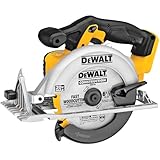
1. DEWALT 20V MAX Circular Saw, Cordless Sidewinder Style Portable, 6-1/2-Inch Blade, 5150 RPM, 0-50 Degree Bevel Capability, Battery Not Included (DCS391B)
Overview:
The DEWALT DCS391B is a professional-grade cordless circular saw built for the demanding 20V MAX ecosystem. This 6-1/2-inch sidewinder delivers 5,150 RPM of cutting power in a lightweight, ergonomic package designed for all-day job site use. The tool-only configuration assumes you’re already invested in DEWALT’s battery platform.
What Makes It Stand Out:
The magnesium shoe sets this saw apart, offering exceptional durability without adding weight. Its 0-50° bevel capacity exceeds most competitors, while the optimized rubber grip provides superior control. As part of DEWALT’s extensive 20V MAX system, it seamlessly integrates with batteries and chargers you likely already own.
Value for Money:
At its mid-range price point for a bare tool, the DCS391B represents solid value for existing DEWALT users. However, first-time buyers must factor in $100+ for a battery and charger, making the total investment comparable to premium corded models. For professionals already in the ecosystem, it eliminates redundancy.
Strengths and Weaknesses:
Strengths include robust construction, excellent ergonomics, wide bevel range, and trusted brand reliability. The lightweight design reduces fatigue during extended use. Weaknesses center on the battery-not-included approach, limited 2-1/8-inch depth at 90°, and runtime constraints versus corded alternatives. The 6-1/2-inch blade also restricts cutting capacity compared to 7-1/4-inch models.
Bottom Line:
Ideal for contractors and serious DIYers already committed to DEWALT’s 20V MAX platform. If you own the batteries, this saw offers professional performance and portability. For others, the total cost of entry requires careful consideration.
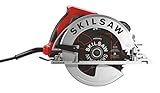
2. SKILSAW SPT67WL-01 15 Amp 7-1/4 In. Sidewinder Circular Saw
Overview:
The SKILSAW SPT67WL-01 redefines what a professional corded circular saw can be. Weighing just 8.6 pounds, it’s the lightest in its class while packing a robust 15-amp motor. This 7-1/4-inch sidewinder is engineered for contractors who prioritize power without the payload.
What Makes It Stand Out:
SKILSAW’s patented Dual-Field motor technology actively dissipates heat, significantly extending motor life and maintaining performance during continuous cuts. The impressive 56° bevel capacity with a positive stop at 45° offers exceptional versatility, while the 10-foot cord provides ample reach across sheet goods without snag-inducing excess.
Value for Money:
Positioned competitively in the professional corded segment, this saw delivers outstanding value. You get premium features and proven durability without battery costs or runtime limitations. For users with consistent shop or job site power access, it eliminates the recurring expense of battery replacement.
Strengths and Weaknesses:
Strengths include class-leading lightweight design, superior motor cooling technology, generous bevel range, and unrestricted runtime. The longer cord enhances maneuverability. Weaknesses are inherent to corded tools: limited mobility, trip hazards, and the need for power outlets. It lacks modern conveniences like electric brakes or laser guides found on some competitors.
Bottom Line:
Perfect for professionals seeking reliable, continuous power in an exceptionally lightweight package. If you don’t need cordless freedom, the SPT67WL-01’s combination of power, durability, and ergonomics makes it a top contender that will outwork and outlast most competitors.
3. 20V MAX Circular Saw, Cordless Sidewinder Style Portable Sierra Cicular, Battery Powered Circle Saws Cordless, 6-1/2-Inch Blade, 5600 RPM,

Overview:
This cordless circular saw from an emerging brand delivers premium features at a budget-friendly price point. The 20V MAX platform saw boasts a brushless motor spinning at 5,600 RPM with a 6-1/2-inch blade, but unlike major brands, it includes a 4,000mAh battery, fast charger, and dual blades right out of the box.
What Makes It Stand Out:
The soft-start technology and 0.1-second electronic brake provide safety features typically reserved for high-end saws. The brushless motor offers 35% faster cutting speeds than brushed alternatives. The comprehensive kit includes both 24-tooth and 60-tooth blades plus a parallel guide, making it ready for any project immediately.
Value for Money:
Exceptional value proposition. You’re getting brushless technology, two blades, a large-capacity battery, and advanced safety features for less than the cost of a bare tool from premium brands. This represents significant savings for budget-conscious buyers, though long-term reliability remains unproven.
Strengths and Weaknesses:
Strengths include the complete ready-to-work package, high RPM performance, modern safety features, fast charging, and impressive cutting depth (2-1/4" at 90°). Weaknesses center on the unknown brand’s track record, potentially inferior build quality, questionable warranty support, and uncertain battery longevity compared to established manufacturers.
Bottom Line:
An excellent choice for DIY enthusiasts and occasional users who want cordless convenience with premium features without the premium price. The included accessories make it a compelling value, though professionals should weigh the risks of unproven long-term durability against the upfront savings.
4. WEN 13-Amp 7.25-Inch Sidewinder Circular Saw with 2.6-Inch Cutting Depth (CT1300)

Overview:
The WEN CT1300 offers an accessible entry point into sidewinder circular saws without sacrificing cutting capacity. This 13-amp, 7-1/4-inch corded tool weighs just 9.8 pounds and focuses on essential functionality for homeowners and DIYers. It handles ripping and crosscutting with a generous maximum depth of 2.6 inches at 90 degrees.
What Makes It Stand Out:
The adjustable depth stop is a standout safety feature rarely found at this price point, preventing accidental over-cutting. WEN includes valuable accessories standard: a rip fence, dust port adapter, and a 40-tooth carbide-tipped blade. The two-year warranty provides peace of mind uncommon with budget tools.
Value for Money:
Outstanding affordability makes this saw highly accessible. For the price of a rental, you own a capable saw with useful accessories and solid warranty protection. While it lacks the power of 15-amp models, it handles most homeowner tasks efficiently without the battery costs of cordless alternatives.
Strengths and Weaknesses:
Strengths include excellent cutting depth, lightweight design, safety-focused depth stop, useful included accessories, and strong warranty. The saw performs adequately for light to medium-duty tasks. Weaknesses include the lower-power 13-amp motor limiting heavy-duty performance, absence of a laser guide, basic construction, and potential durability concerns under professional use.
Bottom Line:
Ideal for homeowners and DIYers seeking an affordable, capable circular saw for occasional projects. The CT1300’s combination of features, accessories, and warranty makes it a smart value purchase. For professional daily use, invest in a more robust model, but for weekend warriors, it’s hard to beat.
5. WEN 15-Amp 7.25-Inch Sidewinder Circular Saw with Laser and 2.6-Inch Cutting Depth (CT1525)

Overview:
The WEN CT1525 builds upon its sibling CT1300 by adding a precision-enhancing Class II laser guide while upgrading to a 15-amp motor. Maintaining the same lightweight 9.8-pound design and impressive 2.6-inch cutting depth, this corded sidewinder targets DIYers seeking accuracy without complexity. The laser projects a clear cutting line, reducing guesswork and improving confidence.
What Makes It Stand Out:
The integrated laser guide is the headline feature, providing visual accuracy that helps novices achieve professional-looking results. Combined with the 15-amp motor, it offers more power than the CT1300 while keeping the same excellent cutting depth and adjustable depth stop safety feature. The comprehensive accessory package remains a strong value-add.
Value for Money:
Slightly more expensive than the CT1300 but justified by the laser and upgraded motor. Still positioned as a budget-friendly option compared to premium brands, it delivers useful features that genuinely improve cutting accuracy. The two-year warranty maintains strong value proposition.
Strengths and Weaknesses:
Strengths include the helpful laser guide, increased power, excellent cutting depth, lightweight portability, safety depth stop, and included accessories. The laser improves accuracy for straight cuts. Weaknesses include potentially finicky laser calibration, basic overall build quality, lack of electric brake, and motor that may struggle with continuous heavy-duty use compared to professional-grade saws.
Bottom Line:
The best choice in WEN’s lineup for DIYers wanting laser guidance. It offers meaningful upgrades over the CT1300 without a significant price jump. For occasional to moderate use, it provides excellent accuracy and adequate power. Professionals should still consider premium brands, but for home workshops, it’s a feature-rich value.
6. DEWALT 20V MAX* 6-1/2 in. Brushless Cordless Circular Saw, Tool Only (DCS565B)

Overview: The DEWALT DCS565B delivers cordless convenience in a compact 6-1/2-inch package, operating on the popular 20V MAX battery platform. This tool-only version caters to existing DEWALT users who already own batteries and chargers. The brushless motor ensures efficient power delivery and extended runtime, while the lightweight design reduces user fatigue during overhead or extended cutting sessions.
What Makes It Stand Out: The bright LED light dramatically improves cut accuracy in dimly lit spaces, a feature often missing in cordless saws. The tool-free bevel lever adjusts quickly from 0-50°, surpassing many competitors’ 45° limits. The optional dust chute compatibility with DEWALT’s AirLock system or standard 35mm extractors demonstrates thoughtful dust management. The electric brake stops the blade within seconds, enhancing safety between cuts.
Value for Money: At the tool-only price point, this saw offers excellent value for professionals already invested in the 20V MAX ecosystem. However, newcomers must factor in battery and charger costs, which can add $100-150. Compared to corded alternatives, you’re trading unlimited runtime for unmatched portability and convenience on job sites without easy power access.
Strengths and Weaknesses: Strengths include exceptional portability, brushless motor efficiency, superior visibility via LED, and robust safety features. The 50° bevel capacity handles more complex cuts than standard saws. Weaknesses are the tool-only limitation for new users, 6-1/2-inch blade restricting cut depth to about 2-1/8 inches at 90°, and premium pricing compared to entry-level corded models.
Bottom Line: The DCS565B is an outstanding addition for DEWALT loyalists seeking cordless freedom. For those starting fresh, consider the kit version instead. Professionals in remodeling, electrical, or plumbing will appreciate its maneuverability and safety features.
7. SKIL 15 Amp 7-1/4 Inch Magnesium Left Blade Sidewinder Circular Saw Skilsaw - SPT67M8-01
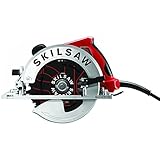
Overview: SKIL’s SPT67M8-01 resurrects the legendary Skilsaw name with a modern left-blade sidewinder design that prioritizes cut line visibility. This 15-amp corded powerhouse features all-magnesium construction, combining durability with weight reduction. The 7-1/4-inch blade handles standard framing and woodworking tasks with professional-grade authority.
What Makes It Stand Out: The left-blade configuration places the blade in direct sight for right-handed users, eliminating the awkward lean required with traditional right-blade saws. The patented Dual-Field motor runs cooler and extends tool life significantly compared to standard motors. Best-in-class torque translates to faster cutting speeds, especially in dense materials like LVL and engineered lumber. The 56° bevel capacity exceeds industry standards.
Value for Money: This saw competes directly with premium professional models at a mid-range price point. The magnesium construction and advanced motor technology typically appear in saws costing $50-100 more. For framers and carpenters who cut all day, the visibility and cooling benefits justify every penny.
Strengths and Weaknesses: Strengths include unparalleled cut line visibility, exceptional power-to-weight ratio, superior motor cooling, and extended bevel capacity. The magnesium build withstands job site abuse while reducing fatigue. Weaknesses include the corded design limiting mobility, and left-blade orientation feeling unnatural for left-handed users or those accustomed to right-blade saws.
Bottom Line: The SPT67M8-01 excels for professionals who value precision and visibility. Framers and right-handed carpenters will find it transformative for accurate cutting. It’s a worthy investment for anyone seeking Skilsaw heritage with modern innovation.
8. WEN CT1065 10-Amp 6.5-Inch Plunge Cut Sidewinder Circular Track Saw,Black
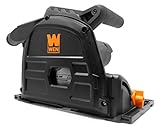
Overview: WEN’s CT1065 democratizes track saw technology, offering plunge-cutting precision at a fraction of premium brand prices. This 10-amp saw rides along guide tracks (sold separately) to deliver table-saw quality cuts without the footprint. The 6.5-inch blade handles material up to 2-1/3 inches thick, making it versatile for cabinetry and flooring applications.
What Makes It Stand Out: The plunge mechanism allows starting cuts anywhere on the material, perfect for interior cutouts and sink openings. Compatibility with WEN’s track system ensures splinter-free, perfectly straight cuts that rival saws costing three times as much. The included 24-tooth carbide blade provides clean rips, while the 45° bevel capacity handles most edge work. This is arguably the most affordable entry into track saw precision.
Value for Money: At this price point, the CT1065 is revolutionary for DIYers and budget-conscious woodworkers. While tracks add to the total cost, the complete system still undercuts competitors by hundreds. The 10-amp motor suits hardwoods and sheet goods adequately, though it lacks the brute force of 15-amp models.
Strengths and Weaknesses: Strengths include unbeatable price, plunge capability, track compatibility for precision, and clean cutting performance. The saw excels at breaking down sheet goods. Weaknesses are the lower power rating, requiring slower feed rates in thick material, and the need to purchase tracks separately. Build quality reflects the price but remains adequate for non-professional use.
Bottom Line: The CT1065 is a gateway tool for woodworkers wanting track saw accuracy without premium investment. It’s ideal for DIY projects, furniture building, and renovation work where precision trumps raw power.
9. DEWALT 20V MAX* Circular Saw, 6-1/2-Inch, Cordless, Battery and Charger Included (DCS565P1)

Overview: The DEWALT DCS565P1 kit provides everything needed for cordless cutting in one package. Sharing the same brushless motor and compact design as the tool-only DCS565B, this version includes a 5.0Ah battery and charger, making it ready for immediate job site deployment. The 6-1/2-inch blade balances capability with maneuverability.
What Makes It Stand Out: The built-in rafter hook sets this apart, allowing convenient hanging between cuts—a feature professionals appreciate more than expected. The electric brake enhances safety and productivity by reducing wait time between cuts. The 50° bevel capacity and tool-free adjustment match contractor-grade corded saws. The included high-capacity battery ensures extended runtime for demanding cuts.
Value for Money: Purchasing as a kit saves approximately $70 compared to buying components separately, representing genuine value. The 5.0Ah battery alone retails near $100, making the package price attractive for newcomers to the DEWALT ecosystem. While premium-priced overall, the convenience and included accessories justify the investment.
Strengths and Weaknesses: Strengths include complete ready-to-work package, exceptional portability, rafter hook convenience, and robust safety features. The brushless motor delivers consistent power. Weaknesses are the single battery limiting continuous work (spare recommended), 6-1/2-inch blade depth restriction, and premium pricing versus corded alternatives. The included charger is standard, not rapid.
Bottom Line: The DCS565P1 is the ideal entry point for professionals and serious DIYers wanting cordless freedom without compatibility concerns. It’s particularly valuable for remodelers, electricians, and plumbers who need mobility. Buy this kit over the bare tool unless you’re already invested in 20V MAX batteries.
10. SKILSAW SPT67WMB-01 15 Amp 7-1/4 In. Magnesium Sidewinder Circular Saw with Brake

Overview: SKILSAW’s SPT67WMB-01 combines classic sidewinder reliability with modern safety features in a magnesium package. This 15-amp corded saw delivers professional power for demanding framing and construction tasks. The 7-1/4-inch blade handles standard lumber dimensions with authority, while the electric brake adds a productivity-enhancing safety element.
What Makes It Stand Out: The electric brake stops the blade in under two seconds, a feature rarely found in this price class. The integrated dust blower keeps the cut line visible without external attachments. The Dual-Field motor technology extends tool life by running cooler during continuous cuts. Bevel stops at 0° and 45° enable quick, repeatable angle cuts without constant adjustment.
Value for Money: This saw positions itself as a professional tool at a contractor-friendly price. The magnesium construction and electric brake typically appear in premium models costing $50 more. For production framers and carpenters, the brake alone pays dividends in saved time and enhanced safety throughout a workday.
Strengths and Weaknesses: Strengths include powerful 15-amp motor, durable magnesium build, electric brake productivity, dust blower visibility, and extended 56° bevel capacity. The saw feels balanced and solid during aggressive cuts. Weaknesses include standard right-blade design offering less visibility than left-blade alternatives, corded limitations, and lack of LED lighting for low-light conditions.
Bottom Line: The SPT67WMB-01 suits professionals seeking a reliable, safety-enhanced workhorse. The electric brake makes it particularly attractive for high-volume cutting environments. While visibility isn’t class-leading, the combination of power, durability, and safety features makes it a smart investment for serious users.
Why Sidewinder Circular Saws Dominate Roofing Projects
The roofing environment presents unique challenges that make sidewinder circular saws the undisputed champion of the trade. When you’re balanced on a 12-pitch roof, wrestling with a heavy, unwieldy tool isn’t just inefficient—it’s dangerous. Sidewinder saws position the motor alongside the blade, creating a more compact footprint and better weight distribution that lets you operate with one hand while steadying yourself with the other. This design philosophy translates directly to faster, more accurate cuts when you’re working around dormers, valleys, and roof penetrations.
Beyond ergonomics, the higher RPM characteristics of sidewinder motors (typically 5,000-6,000 RPM versus 4,000-4,500 for worm drives) produce cleaner cuts in brittle asphalt shingles and synthetic underlayments. The blade spins faster, shearing material rather than tearing it, which means less delamination and fewer callbacks for cracked shingles. For roofers cutting through multiple layers during tear-offs or slicing through modern composite materials, this speed advantage isn’t just about efficiency—it’s about cut quality that holds up to inspection.
Power Requirements and Motor Technology
Corded vs. Cordless: The 2026 Landscape
The corded versus cordless debate has shifted dramatically heading into 2026. While corded sidewinders still offer unlimited runtime and slightly higher sustained power, next-generation battery platforms have fundamentally changed the calculus for roofing professionals. We’re now seeing 18V and 20V systems that deliver true corded performance, with high-output batteries providing all-day runtime on a single charge. The real game-changer isn’t just capacity—it’s charging speed. Modern rapid chargers can juice a spent battery to 80% in under 15 minutes, meaning your downtime is less than a coffee break.
For roofing crews, the elimination of extension cords represents more than convenience—it’s a safety revolution. No more tripping hazards on pitched surfaces, no more damaged cords creating shock risks in wet conditions, and no more voltage drop issues when you’re working far from the power source. However, corded models still hold value for stationary cutting stations and for roofers who prioritize absolute maximum power for cutting through thick laminated shingles or the occasional plywood patch. The smart money in 2026 is on a hybrid approach: a primary cordless saw with a corded backup for specific high-demand scenarios.
Understanding Amp Ratings and Brushless Motors
When evaluating corded models, don’t get hypnotized by amp ratings alone. A 15-amp motor sounds impressive, but motor efficiency and electronic controls matter more than raw current draw. Modern electronically controlled motors maintain blade speed under load far better than traditional brushed motors, meaning your saw doesn’t bog down when you hit a tough patch of shingles over a nail head. For cordless models, focus on watt-hours (Wh) rather than just voltage—this tells you the actual energy capacity of your battery system.
Brushless motors have become the standard for premium roofing saws in 2026, and for good reason. They deliver 30-40% more runtime per battery charge, generate less heat during continuous use, and require virtually zero maintenance. The absence of brush friction means more of your battery’s energy goes directly to cutting rather than being wasted as heat. For roofers running production crews, this translates to fewer battery swaps, less downtime, and lower total cost of ownership over a 3-5 year tool lifecycle.
Blade Capacity and Cutting Specifications
Optimal Blade Diameters for Roofing Tasks
The 7-1/4 inch blade remains the sweet spot for roofing sidewinders, but 2026 has brought refined thinking to this standard. This size provides a maximum cut depth of approximately 2-1/2 inches at 90 degrees—more than adequate for slicing through multiple shingle layers and 5/8-inch roof decking. However, the real advantage lies in blade availability and cost. A 7-1/4 inch roofing blade costs significantly less than larger diameters, and you’ll find more specialized options for specific materials.
Some manufacturers have introduced compact 6-1/2 inch models targeting shingle-only applications. These saws shave nearly two pounds off the total weight, making them attractive for crews focused exclusively on asphalt shingle installation. The trade-off is limited depth—usually around 2-1/8 inches—which can be problematic when you encounter unexpected plywood repairs or thicker composite materials. For versatility across all roofing scenarios, stick with the 7-1/4 inch standard unless your work is highly specialized.
Bevel Capacity and Adjustment Mechanisms
While roofing primarily involves 90-degree cuts, your sidewinder’s bevel capability matters more than you might think. A saw that bevels to 56 degrees (rather than the standard 45) gives you the flexibility to make precise valley cuts and handle architectural details without switching tools. More important than maximum angle is the adjustment mechanism itself. Look for positive stops at common angles (22.5 and 45 degrees) with easy-to-read scales that remain visible even when sawdust accumulates.
The bevel adjustment should operate smoothly with gloved hands—an often-overlooked detail until you’re wrestling with a frozen lever at 10 degrees in January. In 2026, premium saws feature sealed bevel mechanisms that resist moisture and shingle granule infiltration, maintaining smooth operation through years of job site abuse. Quick-release levers with oversized handles have become standard on professional-grade models, allowing for fast adjustments without compromising grip security.
Ergonomics and User Comfort Factors
Weight Distribution and One-Handed Operation
A roofing sidewinder’s balance is more critical than its absolute weight. A 9-pound saw with excellent weight distribution feels lighter than an 8-pound model with poor balance. The motor housing should align directly over your hand position, creating a vertical line that reduces wrist torque during extended use. When you hold the saw naturally, the blade should align perfectly with your sight line without requiring you to twist your wrist or crane your neck.
One-handed operation isn’t a luxury on a roof—it’s a necessity. You need your non-dominant hand free for bracing against the roof or holding material steady. Test how the saw feels with a single-hand grip. The handle should fill your palm without forcing finger extension, and the trigger should engage smoothly without requiring excessive force. Some 2026 models incorporate adjustable auxiliary handles that can be positioned for optimal control during specific cuts, though these add-ons are often more useful on the ground than 30 feet up.
Handle Design and Vibration Dampening
Modern roofing saws have evolved beyond simple rubber overmolding. Multi-density grip materials now combine firm structural cores with soft vibration-absorbing outer layers that reduce fatigue during all-day use. The texture pattern matters too—aggressive knurling provides secure grip even when your hands are sweaty or dusted with shingle granules, but shouldn’t be so harsh that it chews up your gloves.
Vibration dampening extends beyond the handle. Internal counterbalancing systems in premium saws reduce the high-frequency buzz that leads to hand-arm vibration syndrome (HAVS) over years of use. Look for saws with vibration ratings below 5 m/s²—this data is increasingly available in technical specifications. Your future self will thank you for prioritizing this spec, especially if you’re planning another decade in the trade.
Sight Lines and LED Cutline Illumination
You can’t cut what you can’t see, and roofing presents unique visibility challenges. The sun’s glare off shingles, working in shadowed valleys, and early morning or late afternoon jobs all demand superior sight lines. The best roofing sidewinders position the blade guard and motor housing to create an unobstructed view of the blade’s entry point into the material. Some designs incorporate narrow-profile guards that curve away from your line of sight without compromising safety.
LED cutline illumination has transitioned from gimmick to essential feature. In 2026, look for systems that cast light directly along the blade path rather than just generally illuminating the work area. The most advanced models use shadow-line technology, where the LED positioned at the perfect angle casts a crisp shadow of the blade onto your cutline. This provides more precise guidance than a simple light beam and works brilliantly even on dark shingles where traditional lasers disappear.
Essential Safety Features for Roofers
Electric Brake Response Times
An electric brake isn’t just a convenience feature—it’s a critical safety component that can prevent severe lacerations. When you release the trigger, the brake reverses current flow to stop the blade within 2-3 seconds instead of the 7-10 seconds of coasting. On a roof, a coasting blade can catch on shingles or underlayment, causing the saw to kick back or jump from your hands. The 2026 standard for professional roofing saws is sub-2-second brake engagement.
Test the brake performance before committing to a saw. The stopping action should be immediate and consistent, not gradual. Some budget models advertise electric brakes that are essentially weak resistors providing minimal stopping force. True electric brakes create a definitive halt you can feel. This feature also reduces wear on your work surface—no more waiting for the blade to spin down before setting the saw down on delicate underlayment.
Advanced Blade Guard Systems
Traditional blade guards can hang up on shingle edges during plunge cuts or when cutting close to ridges. Modern roofing saws feature low-friction guard materials and redesigned pivot geometry that allows the guard to retract smoothly even when you’re cutting at awkward angles. Some models include guard lift levers that let you manually retract the guard for the first inch of a cut, then release it to automatically cover the blade as you progress.
The guard’s connection point to the saw base should be robust enough to withstand impacts when the saw inevitably gets dropped or knocked against a ladder. Look for metal reinforcement at the pivot point rather than all-plastic construction. The return spring should be strong enough to snap the guard back instantly but not so aggressive that it fights you during normal cutting. In 2026, we’re seeing guards with integrated blowers that clear shingle dust from the sight line—a simple but effective innovation.
Dust Management and Respiratory Protection
OSHA’s silica dust regulations have made dust collection a non-negotiable feature, even for outdoor roofing work. While you might think wind disperses shingle dust harmlessly, the reality is that roofers spend hours breathing concentrated particulates that include asphalt fumes and mineral granules. A saw with effective dust collection capability isn’t just about compliance—it’s about career longevity.
The most practical roofing saws feature dual dust management: a port for connecting a vacuum when you’re making extended cuts in enclosed spaces, and a built-in blower that directs dust away from your face during quick field cuts. The blower should be adjustable or defeatable, as sometimes you want to clear the cutline and other times you want to minimize dust clouds that obscure your view. For maximum versatility, choose a saw with a standard 1-1/4 inch or 1-1/2 inch dust port that accepts common vacuum hoses without adapters.
Blade Technology and Material Compatibility
Carbide Grades and Tooth Configurations
Not all carbide is created equal, and roofing blades face unique abuse. Standard framing blades with 24 teeth rip through shingles but leave ragged edges and generate excessive heat. Dedicated roofing blades typically feature 36 to 40 teeth with aggressive hook angles (15-20 degrees) that slice cleanly without grabbing. The carbide tips should be micro-grain grade (C3 or higher) to withstand the abrasive mineral surfacing on modern architectural shingles.
Tooth geometry has evolved significantly for 2026 applications. Anti-kickback shoulders behind each tooth prevent the blade from overfeeding when you hit a dense patch or nail. Expansion slots with sound-dampening copper plugs reduce vibration and noise—important when you’re making hundreds of cuts daily. Some premium blades now feature variable tooth spacing that breaks up harmonic vibration, resulting in smoother cutting and extended blade life. For a roofing crew, a $20 blade that lasts twice as long and cuts cleaner is a better investment than a $10 blade that needs frequent replacement.
Specialized Blades for Synthetic Materials
The roofing landscape now includes synthetic slate, polymer shake, and composite tiles that laugh at traditional carbide blades. These materials often contain high percentages of mineral fill and fiberglass reinforcement that can destroy a standard blade in minutes. If your 2026 workflow includes these premium materials, invest in blades specifically engineered for them—typically featuring polycrystalline diamond (PCD) tips or advanced ceramic-metallic composites.
These specialty blades cost 3-4 times more than standard carbide, but they’ll cut hundreds of linear feet without dulling. The key is matching the blade to your primary workload. A PCD blade excels in synthetics but can actually cut too aggressively in standard asphalt shingles, leading to chipping. Many professional roofers now carry two blade types: a premium carbide blade for daily asphalt work and a specialized blade for synthetic material days. Quick-change blade systems have made this dual-blade strategy more practical than ever.
Durability and Job Site Resilience
Housing Materials and Impact Resistance
Your roofing saw will fall. It will get rained on. It will be buried in shingle granules. The housing material determines whether these inevitabilities result in a quick brush-off or a trip to the repair shop. Magnesium alloy bases have become the professional standard—they’re lighter than steel but absorb impacts better than aluminum without bending. The motor housing should be a high-impact composite that can withstand UV exposure without becoming brittle.
Internal component protection matters as much as external toughness. Look for saws with potted electronics—circuit boards coated in protective resin that prevents moisture intrusion and vibration damage. The motor brushes (if not brushless) should be sealed behind gaskets, and bearing seals should be double-lipped to keep abrasive dust out of precision components. These details rarely appear in marketing materials but separate the 5-year tools from the 2-year throwaways.
Weather Resistance and IP Ratings
Roofing doesn’t stop for drizzle, and your saw needs to handle real-world moisture. While no saw is truly waterproof, Ingress Protection (IP) ratings give you objective data on dust and water resistance. A rating of IP54 (protected against dust ingress and water spray from any direction) should be your baseline for roofing work. Premium models are pushing IP56, which handles powerful water jets—essentially surviving being left out in a downpour.
Pay attention to seal quality around the trigger, depth adjustment, and bevel levers. These are failure points where moisture sneaks in. In 2026, we’re seeing magnetic trigger seals that provide positive protection without the stiffness of traditional rubber boots. Some manufacturers have moved adjustment mechanisms to sealed internal modules operated by external levers, eliminating direct penetration points. These advances mean you can focus on the job instead of babying your tool when clouds roll in.
2026 Smart Features and Connectivity
The “smart tool” trend has matured from gimmicky apps to genuinely useful job site integration. Modern sidewinders can now track cut count, runtime, and blade temperature via embedded sensors, transmitting data to your phone or tablet via Bluetooth. For crew managers, this provides objective metrics for job costing and maintenance scheduling. When a saw logs 500 hours of runtime, you know it’s due for bearing inspection regardless of what the operator reports.
Some systems integrate with inventory management, automatically logging blade changes and helping you track which blades perform best in specific conditions. Tool tracking features use GPS and Bluetooth beacons to locate stolen equipment—a significant investment protection given that a pro-grade sidewinder represents a $200+ asset. The key is choosing a platform that doesn’t require constant app interaction. The best smart features work in the background, only alerting you when attention is needed, so you can focus on roofing rather than micromanaging your tools.
Value Assessment and Investment Strategy
The cheapest roofing saw isn’t the one with the lowest price tag—it’s the one that costs least per cut over its lifetime. A $150 saw that lasts two seasons might seem economical, but a $250 professional model that runs for five years with fewer blade changes and less downtime delivers superior value. Calculate total cost of ownership: purchase price + expected blade costs + maintenance + replacement timeline.
Consider warranty terms carefully. Lifetime warranties on tools are often marketing fluff with so many exclusions they’re meaningless. What matters is the warranty on the motor and electronics—look for 3-5 year coverage on these components. Some manufacturers now offer pro-rated warranties where replacement cost decreases over time, reflecting realistic wear patterns. Also investigate service center availability. A great warranty is useless if you have to ship your saw three states away for a simple repair.
Professional Maintenance Protocols
Daily maintenance takes five minutes but extends your saw’s life by years. Blow out the motor housing with compressed air at day’s end to remove shingle granules that act like sandpaper on internal components. Check the blade guard pivot weekly, applying a single drop of dry lubricant to prevent buildup. Inspect the power cord or battery terminals for damage before each use—roofing is hard on connections.
Monthly, remove the blade and clean the arbor flange thoroughly. Even slight buildup here causes blade wobble and premature bearing wear. Check brush wear on non-brushless models quarterly, replacing them when they’re down to 1/4 inch. For brushless saws, inspect the cooling vents for blockages. Annually, or every 500 hours, have a service center check bearing play and replace the armature bearings if needed. This $50 service prevents the $150 cost of a burned-out motor when bearings seize.
Frequently Asked Questions
What’s the ideal weight for a roofing sidewinder circular saw?
The sweet spot for professional roofing saws in 2026 is 8.5 to 9.5 pounds including blade and battery (for cordless models). Anything lighter typically sacrifices motor size or durability, while heavier saws cause fatigue during all-day use. Balance matters more than absolute weight—a well-distributed 9-pound saw feels lighter than an unbalanced 8-pound model. Look for magnesium alloy components to keep weight down without sacrificing strength.
Should I go corded or cordless for roofing work in 2026?
For most roofing professionals, cordless is now the default choice. Modern 18V and 20V platforms deliver corded performance with all-day runtime when using high-capacity batteries. The elimination of extension cords removes tripping hazards and power drop issues inherent in rooftop work. Keep a corded model as a backup for stationary cutting or emergencies, but invest your primary budget in a quality cordless system with rapid charging capability.
What blade size do I actually need for roofing?
The 7-1/4 inch blade remains the industry standard for roofing. It provides 2-1/2 inch cutting depth—ample for multiple shingle layers plus decking—while maintaining optimal weight and balance. Compact 6-1/2 inch blades save about a pound but limit your ability to handle unexpected plywood repairs. For specialized synthetic materials, stick with 7-1/4 inch blades designed specifically for those abrasives, as they offer the best tooth geometry and carbide grade for the job.
How critical is an electric brake for roofing applications?
An electric brake is non-negotiable for roofing safety. It stops the blade within 2 seconds of trigger release, preventing the saw from catching on shingles or underlayment and kicking back. On pitched surfaces, a coasting blade can cause the tool to jump from your hands, creating a drop hazard. The brake also reduces wear on your work surface and allows faster transitions between cuts. Never compromise on this feature, even if it means spending more upfront.
Can I use my framing blade for cutting shingles?
Technically yes, but it’s a false economy. Framing blades have aggressive 24-tooth designs that tear rather than slice shingles, leading to ragged edges and potential cracking. Dedicated roofing blades feature 36-40 teeth with specific hook angles that shear cleanly through mineral-surfaced materials. They also generate less heat, reducing asphalt smearing. The $15-20 premium for a proper roofing blade pays for itself in reduced material waste and better cut quality.
What safety features are must-haves for 2026 roofing saws?
Beyond the electric brake, prioritize a blade guard that retracts smoothly without hanging on shingle edges, an integrated dust blower to keep your cutline visible, and a robust lower guard return spring. LED cutline illumination has become essential for early morning or late afternoon work. For cordless models, electronic clutch systems that disengage the motor during kickback events provide an extra layer of protection. Always verify the saw meets current UL safety standards for outdoor power tools.
How do I protect my circular saw from weather on job sites?
Even with improved IP ratings, prevention beats cure. Store saws in sealed hard cases rather than open tool bags. If you’re working in light rain, angle the saw so the motor vents face downward, preventing water ingress. At day’s end, wipe down the entire tool and blow compressed air through the motor housing to remove moisture and debris. Apply dielectric grease to battery terminals on cordless models to prevent corrosion. Never leave your saw on the roof overnight—temperature swings and dew will find their way into even well-sealed tools.
What’s the realistic lifespan of a professional-grade roofing saw?
With proper maintenance, a premium sidewinder should deliver 5-7 years of daily professional use. Brushless models often exceed this timeframe since they eliminate brush wear—a common failure point. The limiting factor becomes bearing life and switch durability. Saws used exclusively for shingle cutting last longer than those regularly cutting through plywood decking or encountering nails. Track your runtime hours and budget for a rebuild or replacement around 2,000-2,500 hours of actual trigger time.
Are smart features and connectivity worth the extra cost?
For individual roofers, smart features are nice-to-have but not essential. However, for crew managers or company owners, they deliver tangible ROI. Usage tracking helps with accurate job costing, maintenance scheduling prevents unexpected downtime, and tool tracking reduces theft losses. The key is choosing a platform that integrates with your existing systems without requiring constant app management. Look for tools where smart features enhance rather than complicate the user experience.
How much should I budget for a professional roofing sidewinder in 2026?
Plan to spend $200-$300 for a professional-grade cordless sidewinder kit including one battery and charger. Corded models run $150-$200. This price range gets you brushless motor technology, magnesium components, effective dust management, and robust safety features. Avoid budget models under $120—they lack the durability and precision that professional roofing demands. Remember to factor in $25-40 for a quality roofing blade and consider spare batteries at $80-100 each for cordless systems. The total investment should pay for itself within the first major job through increased efficiency and reduced downtime.
See Also
- 10 Essential Sidewinder Circular Saws for Roofing Jobs in 2026
- 10 Best Sidewinder Circular Saws for Fast Crosscuts in 2026
- 10 Expert-Recommended Bevel Gear Circular Saws for Angle Cuts in 2026
- 10 Expert-Recommended Circular Saws for Contractors in 2026
- 10 Expert-Recommended Circular Saws for Deck Building