Table of Contents
The modernjob site doesn’t forgive outdated tools. As we push into 2026, contractors face tighter deadlines, tougher materials, and stricter safety regulations that demand more from every cut. Bevel gear circular saws—those torque-heavy workhorses once considered specialty tools—have become the backbone of professional framing, formwork, and finish carpentry. But not all bevel gear saws are built for the realities of contemporary construction, and the technology behind them has evolved far beyond simple worm drive versus sidewinder debates.
Understanding what separates a jobsite hero from an expensive paperweight requires looking past marketing hype and diving into the mechanical, ergonomic, and technological details that actually impact your bottom line. Whether you’re upgrading aging equipment or building your arsenal from scratch, the decisions you make today will affect your productivity, safety, and profitability for years to come.
Top 10 Bevel Gear Circular Saws For


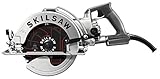


Detailed Product Reviews
Understanding Bevel Gear Technology in Modern Circular Saws
The Mechanical Advantage of Worm Drive vs. Hypoid Gears
The heart of any bevel gear saw lies in its right-angle power transmission system. Traditional worm drive setups use a threaded worm screw meshing with a worm wheel, creating massive torque multiplication but introducing significant friction and heat. Hypoid gears, by contrast, employ offset spiral bevel gears that mesh more smoothly, transferring power with less energy loss and virtually no gear slippage. For contractors ripping through LVL beams or wet pressure-treated lumber, this translates to blade speed that doesn’t bog down when the cut gets tough.
Why Torque Delivery Matters More Than Peak RPM
Manufacturers love advertising no-load RPM figures, but on a roof cutting 4x12 rafter tails, that number is meaningless. What matters is how much torque reaches the arbor when the motor is under full load. Bevel gear systems typically deliver 3-4 times the torque of direct-drive sidewinders, but gear ratios, lubrication quality, and housing rigidity all affect how that power actually performs in a bind. Look for saws that specify loaded RPM drop percentages rather than just no-load speeds.
Key Performance Metrics Contractors Must Evaluate
Power Delivery Consistency Under Load
A pro-grade bevel gear saw should maintain at least 85% of its no-load RPM when buried in 2-1/4" engineered lumber. This consistency prevents burning, reduces kickback risk, and extends blade life. The best 2026 models incorporate electronic feedback systems that automatically increase amperage draw to compensate for load, something older saws simply can’t do.
Blade Speed vs. Feed Rate Optimization
There’s a mathematical relationship between tooth count, material density, and optimal feed rate that most contractors eyeball. Modern saws with constant-speed electronics remove the guesswork, but you still need to understand that a 24-tooth framing blade at 4,800 RPM moves through OSB differently than it moves through dense hardwood. The gear system’s ability to maintain momentum dictates whether you can push the saw or need to nurse it through cuts.
Essential Safety Features for 2026 Job Sites
Advanced Electronic Braking Systems
Mechanical brakes are history. The current standard is electronic braking that stops the blade in under 2 seconds, but the real innovation is load-sensing technology that engages the brake automatically if the motor detects a sudden current spike indicative of binding. This isn’t just convenient—it’s becoming a requirement on municipal and commercial projects with enhanced safety protocols.
Riving Knife Innovations and Anti-Kickback Design
The riving knife should move with the blade guard, maintaining kerf width protection even during partial cuts. Look for models with micro-adjustable riving knives that can be tuned to within 0.3mm of the blade plate. Combined with anti-kickback pawls that engage only when reverse motion is detected (rather than dragging on every forward cut), these systems dramatically reduce the most common cause of circular saw injuries.
Dust Management and OSHA Silica Compliance
With silica enforcement tightening, a saw’s dust port effectiveness is non-negotiable. The best 2026 designs integrate plenum chambers around the blade housing that capture 90%+ of respirable particles when paired with a HEPA vac. Some models even feature automatic vacuum activation via Bluetooth when the trigger is pulled, eliminating the forgetfulness factor that leads to citations.
Power Source Evolution: Corded, Cordless, and Hybrid Models
Battery Technology Breakthroughs in 2026
The 2026 contractor market runs on 18V and 36V platforms, but raw voltage tells only part of the story. New lithium-silicon anode batteries deliver 40% more energy density than 2023 models, meaning a 12Ah battery now weighs what an 8Ah used to. More importantly, improved thermal management allows sustained high-current draw without voltage sag—the death knell for clean cuts. For bevel gear saws, which are inherently less efficient than sidewinders, this thermal stability is critical.
When Corded Still Reigns Supreme
All-day production cutting of dense materials still favors corded models. The key is intelligent power management: look for saws with soft-start technology that reduces inrush current below 15 amps, preventing breaker trips when you’re sharing a temporary pole with other trades. Retractable cord management systems and reinforced strain reliefs at both tool and plug ends separate jobsite-durable from workshop toys.
Hybrid Systems: The Best of Both Worlds
The emerging hybrid category allows battery operation for quick cuts and corded operation for sustained production. The catch? Many early hybrids compromise on both, with heavier housings and less efficient power transfer. True professional hybrids maintain identical performance characteristics in both modes and feature automatic switchover if the cord is accidentally unplugged mid-cut—preventing dangerous stalls.
Blade Capacity and Cutting Depth Considerations
Standard 7-1/4" vs. Larger Capacity Saws
While 7-1/4" remains the framing standard, 8-1/4" and 10-1/4" bevel gear saws are gaining traction for timber framing and commercial formwork. The trade-off isn’t just weight—it’s blade deflection. Larger blades require more rigid arbors and tighter bearing tolerances to prevent wobble. For most contractors, a high-quality 7-1/4" saw with a 2-3/8" depth at 90° handles 95% of tasks, but that remaining 5% can justify the larger investment if you’re regularly cutting 4x material in one pass.
Maximum Bevel Capacity: Beyond 45 Degrees
Modern roof designs frequently require cuts beyond traditional 45° bevels. Saws offering 53-60° bevel capacity eliminate the need for sketchy flip-cuts or time-consuming table saw setups. The critical feature here is positive stops at common angles that are adjustable and lock solidly without drift. Micro-adjustment knobs that allow 1/10° fine-tuning can save hours when running crown or scribing trim.
Ergonomics and User Comfort for All-Day Use
Weight Distribution and Handle Geometry
A 15-pound worm drive can feel like 10 pounds if the weight is balanced correctly. Look for saws where the primary handle aligns vertically with the blade arbor, creating a neutral wrist position. Auxiliary handles should be positioned to allow two-handed control without exposing the forward hand to blade path. Magnesium housings save 2-3 pounds over aluminum without sacrificing durability, but the real weight savings come from optimized gear housing design that eliminates unnecessary material.
Vibration Dampening Technology
Prolonged vibration exposure leads to HAVS (Hand-Arm Vibration Syndrome), a legitimate workers’ comp concern. Modern saws isolate the motor from the main housing using rubber bushings or spring-loaded mounts, reducing transmitted vibration by up to 40%. The gear mesh itself should be precision-lapped and run in synthetic lubricant that maintains viscosity across temperature extremes, preventing the “buzz” that indicates poor gear engagement.
Durability and Build Quality: What Separates Pros from Hobbyists
Magnesium vs. Aluminum Alloy Components
Magnesium is 33% lighter than aluminum but offers comparable strength, which is why premium saws use it for gear housings and blade guards. However, not all magnesium is equal—thixomolded components achieve tighter tolerances and better surface finish than die-cast parts. Check for reinforcing ribs in high-stress areas and avoid saws with plastic components in the gear train or depth adjustment mechanisms.
Sealed Gear Housing and Maintenance Intervals
A properly sealed gear housing should be factory-filled with synthetic grease rated for 500+ hours of operation before servicing. Look for magnetic drain plugs that capture metal particles from gear break-in, and sight glasses that allow visual inspection without disassembly. Saws requiring service every 100 hours cost more in downtime than their purchase price difference over a two-year period.
Precision Features That Save Time and Material
LED Cut Line Indicators and Shadow Guides
LED lights that cast a blade-shadow cut line are more accurate than laser guides, which drift with blade changes and require recalibration. The best systems use multiple LEDs positioned to eliminate shadows from the guard, creating a crisp line even in bright sunlight. Some 2026 models integrate strobing LEDs that sync with blade rotation, creating an “frozen” blade appearance that shows exact tooth position.
Rack-and-Pinion Fence Systems
Aftermarket guides are history. Integrated rack-and-pinion systems with micro-adjustment allow repeatable rip cuts accurate to 1/32" without measuring each time. The fence should lock on both front and rear rails to prevent pivoting, and store on-board when not in use. For contractors doing repetitive cutting, this feature alone can justify a $100 price premium.
Fine Bevel Adjustment Mechanisms
Gone are the days of loosening a lever and guessing the angle. Cam-action bevel locks with adjustable tension allow incremental changes while supporting the saw’s weight. Digital angle readouts with 0.1° resolution eliminate the need for a separate bevel gauge, but ensure the sensor is recalibratable—digital drift is real and can ruin expensive stock.
Smart Technology Integration in 2026 Models
Bluetooth Connectivity and Tool Tracking
Every major manufacturer now offers Bluetooth-enabled saws that sync with fleet management apps. Beyond simple location tracking, these systems log run time, trigger pulls, and maintenance intervals. For contractors with multiple crews, this data prevents theft, schedules preventive maintenance, and even helps estimate job costs by tracking actual cutting time per project.
Performance Monitoring and Diagnostics
Built-in current sensors and thermocouples provide real-time feedback on motor health, alerting you to brushes needing replacement or bearings developing play before catastrophic failure. Some systems can detect blade dullness by monitoring motor load increases and prompt blade changes. This predictive maintenance approach can eliminate the mid-day failures that derail project timelines.
Price vs. Value: Investing Wisely in Your Arsenal
Total Cost of Ownership Calculations
A $300 saw that requires $50 in replacement parts annually and lasts five years costs less than a $200 saw needing $100 in parts yearly that dies in three years. Factor in warranty coverage—true professional warranties cover wear items like brushes and bearings for two years, not just manufacturing defects. Add the cost of downtime: a failed saw on day three of a roof job can cost thousands in crew idle time.
Warranty and Service Network Realities
A five-year warranty is worthless if the nearest service center is three states away. Before purchasing, verify local authorized repair facilities and their typical turnaround time. Some manufacturers offer loaner programs during warranty repairs—a game-changer for one-saw contractors. Also check parts availability; discontinued models can become paperweights when proprietary gears or motor parts become unobtainable.
Specialized Bevel Gear Saws for Niche Applications
Concrete and Masonry Cutting Models
Fiber cement siding and backer board destroy standard framing blades and stress motors to failure. Purpose-built masonry saws feature sealed bearings, specialized dust collection, and gear ratios optimized for slower blade speeds with higher torque. While expensive for occasional use, they pay for themselves by eliminating the need for a separate specialty saw and reducing silica exposure.
Fiber Cement and Composite Material Saws
Cutting composite decking or PVC trim generates static-clinging dust that infiltrates every crack. Saws designed for these materials feature sealed switches, coated armature windings, and anti-static dust ports. The gear lubricant is also formulated to resist the acidic binding agents in manufactured lumber, preventing premature gear wear that standard saws experience.
Maintenance Best Practices for Longevity
Gear Lubrication Schedules
Synthetic grease breaks down from heat and shearing forces, not just time. Follow hour-based intervals rather than calendar months. For heavy users, this means service every 6-8 months; for occasional users, every 12-18 months. Always use manufacturer-specified grease—automotive bearing grease lacks the extreme pressure additives needed for hypoid gears and will fail in under 50 hours.
Brushless Motor Care
Brushless motors eliminate brush replacement but aren’t maintenance-free. Periodically blow out the motor housing with dry compressed air (never use shop vac exhaust, which contains moisture). Check that cooling fins are clear of packed dust, which causes thermal shutdown and degrades magnet life. The motor controller’s firmware should be updated annually—yes, your saw needs software updates now.
Common Contractor Mistakes When Selecting Bevel Gear Saws
Overlooking Blade Quality in Performance Equations
A $400 saw with a $7 blade performs worse than a $200 saw with a $40 blade. The blade is the actual cutting tool; the saw just spins it. Budget at least 10% of your saw investment in quality blades appropriate for your primary materials. Carbide grade, plate flatness, and expansion slot design affect cut quality more than motor power.
Ignoring Weight-to-Power Ratio for Application
An 18-pound timber saw is overkill for framing 2x4 walls and will slow you down. Conversely, a lightweight “prosumer” model will stall and overheat cutting 3x12 LVL headers. Match the saw’s mass and power to your typical material stack. Many contractors now run two saws: a lighter cordless for quick cuts and a heavy corded production saw for all-day ripping.
Future-Proofing Your 2026 Purchase
Compatibility with Emerging Battery Platforms
Battery platforms are consolidating, but not universally. Before buying into a cordless system, verify the manufacturer’s commitment to backward compatibility. The best brands guarantee 10-year platform support, meaning batteries and chargers purchased in 2026 will work with tools released in 2030. Avoid proprietary connectors that limit third-party battery options.
Modular Attachment Systems
The saw is becoming a platform. Look for models with integrated mounting points for rip fences, dust collection, and even dust-shrouded sanding attachments. This modularity extends the tool’s utility beyond cutting, justifying its cost and reducing the number of tools hauled to each job. The attachment ecosystem’s breadth indicates the manufacturer’s commitment to the platform’s future.
Frequently Asked Questions
What’s the real-world difference between worm drive and hypoid saws?
Worm drives deliver slightly more torque but run hotter and require more frequent oil changes. Hypoid saws run cooler and quieter with less maintenance, but traditionally cost more. For 2026, hypoid technology has matured to the point where it matches worm drive torque while maintaining its maintenance advantages, making it the default choice for most contractors unless you’re loyal to a specific heritage brand.
How much torque do I actually need for framing?
For standard 2x dimensional lumber, 500-600 inch-pounds is sufficient. Engineered lumber like LVLs and glulams requires 700+ inch-pounds to maintain blade speed. The key isn’t just peak torque but how it’s delivered—a smooth torque curve prevents the jerky cutting action that leads to inaccurate cuts and operator fatigue.
Are cordless bevel gear saws finally viable for all-day production work?
With 12Ah+ batteries and improved thermal management, yes—for most applications. You can expect 200-250 linear feet of 3/4" plywood ripping per battery charge. For all-day ripping, you’ll need three batteries minimum. The real limitation is sustained power: corded models still outperform cordless when cutting materials over 2" thick continuously.
What safety features are actually worth paying extra for?
Electronic blade brakes and tool-less blade guards are non-negotiable. LED cut line illumination is highly valuable for accuracy and safety. Smart features like kickback detection add cost but pay dividends in injury prevention. Skip laser guides—they drift and create a false sense of precision.
How much does weight really matter on a job site?
A 3-pound difference doesn’t sound like much, but over 100 cuts, it adds up to measurable fatigue and reduced precision. However, don’t sacrifice power for weight—a saw that’s too light for the task will fight you more than a heavier saw that’s properly matched. The sweet spot for general framing is 12-14 pounds.
What’s the maintenance interval for professional use?
Daily: blow out dust and check blade tightness. Weekly: inspect cord and brushes (if applicable). Monthly: check bevel and depth adjustment locks for wear. Every 6 months/500 hours: change gear oil and inspect bearings. Every year: professional service including motor brush replacement and controller diagnostics.
Can one bevel gear saw handle all my cutting needs?
For 90% of contractors, a quality 7-1/4" model covers framing, sheathing, and trim. If you regularly cut timbers over 4" thick, timber framing, or large quantities of composite decking, a second specialized saw will pay for itself in time savings and reduced wear on your primary tool.
Are smart features just gimmicks or actually useful?
Bluetooth tracking and usage logging are invaluable for fleet management. Performance diagnostics help predict failures before they happen. However, features that adjust cut speed based on material detection are still hit-or-miss and often overridden by experienced operators. Focus on diagnostic and tracking features over “auto” modes.
How long should a professional-grade bevel gear saw last?
With proper maintenance, 2,000-3,000 hours of cutting time is realistic. That’s roughly 5-7 years for a busy framer. Signs it’s time to replace: gear whine that doesn’t improve with fresh oil, motor housing cracks, or inability to maintain speed under load even with a new blade and battery.
Is it worth rebuilding an old saw or just buying new?
If the motor and gear housing are sound, a rebuild with new bearings, brushes, and a controller board typically costs $150-200 and extends life 2-3 years. If the main housing is cracked or gears are chipped, replacement is more cost-effective. Factor in warranty—new saws offer protection rebuilds don’t.
See Also
- 10 Affordable Bevel Gear Circular Saws That Don’t Sacrifice Precision in 2026
- 10 Essential Bevel Gear Circular Saws Every Carpenter Needs in 2026
- 10 Essential Bevel Gear Circular Saws for Complex Angles in 2026
- 10 Essential Bevel Gear Circular Saws Every Professional Carpenter Needs in
- 10 Expert-Recommended Bevel Gear Circular Saws for Angle Cuts in 2026