Table of Contents
Building a deck in 2026 means navigating a market flooded with cordless circular saws that promise professional performance without the tether of a power cord. Whether you’re a seasoned contractor framing out a multi-level masterpiece or a determined homeowner tackling your first backyard transformation, the right saw can mean the difference between a smooth build and a frustrating battle with underpowered equipment. But here’s the truth: “value” doesn’t mean cheap—it means getting the most capability, durability, and runtime for every dollar you invest.
The evolution of battery technology and brushless motors has fundamentally changed what’s possible on a deck job site. Today’s best value saws aren’t just adequate; they’re often more convenient and safer than their corded counterparts. This guide cuts through the marketing hype to focus on the features that genuinely matter when you’re cutting pressure-treated joists, ripping composite decking, or bevel-cutting stair stringers in unpredictable outdoor conditions.
Top 10 Cordless Circular Saws For Deck
Detailed Product Reviews
1. BLACK+DECKER 20V 5-1/2" Cordless Circular Saw, Bare Tool Only (BDCCS20B)
, Bare Tool Only (BDCCS20B)](https://m.media-amazon.com/images/I/41piiU8+7rL._SL160_.jpg)
Overview: The BLACK+DECKER BDCCS20B is a compact 20V cordless circular saw sold as a bare tool, making it an ideal addition for DIYers already invested in the BLACK+DECKER battery ecosystem. Its 5-1/2-inch blade handles most household cutting tasks with ease, from plywood to dimensional lumber, while the lightweight design reduces fatigue during extended use. This tool-only configuration prioritizes convenience and cost-savings for those who don’t need another battery.
What Makes It Stand Out: The tool-free depth adjustment and blade change system set this saw apart in the entry-level category, eliminating frustrating searches for Allen wrenches mid-project. The pivoting shoe adds stability and control, especially when cutting sheet goods. Bevel detents at 45 and 90 degrees ensure accurate angled cuts without guesswork. As part of the POWERCONNECT platform, it shares batteries with over 100 other tools, maximizing versatility.
Value for Money: At the bare tool price point, this saw offers exceptional value for existing BLACK+DECKER users. Purchasing separately would cost significantly more than the tool-only option. However, new users must factor in the additional $40-60 for a battery and charger, making the kit version potentially more economical.
Strengths and Weaknesses: Strengths include its lightweight portability, intuitive tool-free adjustments, and ecosystem compatibility. The compact size excels in tight spaces where larger saws can’t maneuver. Weaknesses involve limited cutting depth due to the 5-1/2-inch blade, modest power for hardwoods, and the initial frustration of buying batteries separately. It’s not suitable for heavy-duty framing or continuous professional use.
Bottom Line: Perfect for DIYers already owning BLACK+DECKER 20V tools, this bare saw delivers convenience and capability for light to medium tasks without redundant batteries. New users should consider the kit version instead.
2. BLACK+DECKER 20V MAX POWERCONNECT 5-1/2 in. Cordless Circular Saw with Battery and Charger (BDCCS20C)

Overview: The BLACK+DECKER BDCCS20C bundles the same reliable 5-1/2-inch cordless circular saw with a 20V MAX battery and charger, creating a complete ready-to-work package for new DIYers. This kit eliminates the guesswork of compatibility and provides everything needed to make your first cut within minutes of opening the box. The saw handles typical homeowner projects like building shelves, cutting plywood, or trimming boards with confidence.
What Makes It Stand Out: Beyond the convenience of an all-in-one kit, the POWERCONNECT battery platform stands out as a forward-thinking investment. The included battery works with over 100 tools, allowing gradual expansion of your tool collection without buying new power sources. Tool-free adjustments for depth and blade changes keep projects moving smoothly, while the pivoting shoe maintains cutting stability across various materials.
Value for Money: The kit pricing typically saves $20-30 compared to buying the bare tool, battery, and charger separately. For first-time buyers, this represents solid value, though the battery capacity is modest for extended use. Consider upgrading to a higher amp-hour battery for bigger projects.
Strengths and Weaknesses: Strengths include immediate usability, ecosystem compatibility, lightweight design, and safety features like the electric brake. The compact size excels in confined spaces. Weaknesses mirror the bare tool: limited cutting depth, moderate power struggling with thick hardwoods, and a basic 1.5Ah battery that requires frequent recharging during intensive tasks.
Bottom Line: An excellent entry point into cordless cutting, this kit offers convenience and capability for homeowners tackling occasional projects. It’s a smart foundation for building a BLACK+DECKER 20V collection.
3. BLACK+DECKER 7-1/4-Inch Circular Saw with Laser, 13-Amp (BDECS300C)

Overview: The BLACK+DECKER BDECS300C brings corded reliability and enhanced cutting capacity to DIYers ready to tackle more demanding projects. Its 13-amp motor and full-size 7-1/4-inch blade slice through 2x lumber and plywood with authority, while the integrated laser guide projects a precise cut line that dramatically improves accuracy. This saw trades cordless convenience for unlimited runtime and consistent power.
What Makes It Stand Out: The laser guide system is the star feature, providing professional-level precision rarely seen at this price point. The lightweight design—unusual for a corded saw—reduces user fatigue without sacrificing durability. Spindle lock mechanism enables reasonably quick blade changes, and easy bevel adjustment up to 45 degrees handles common angled cuts. The 13-amp motor delivers sustained power for ripping and crosscutting tasks.
Value for Money: Competing with entry-level contractor saws, this model offers compelling value. It costs less than premium cordless kits while delivering superior cutting depth and continuous power. The laser feature alone justifies the price difference versus basic corded models.
Strengths and Weaknesses: Strengths include relentless power, deeper cut capacity, laser accuracy, and no battery downtime. It handles hardwoods and pressure-treated lumber effortlessly. Weaknesses involve limited mobility from the cord, lack of tool-free adjustments, and a somewhat basic shoe design. It’s less convenient for quick jobs or outdoor work without power access.
Bottom Line: Ideal for workshop-centric DIYers prioritizing power and precision over portability. The laser guide and corded performance make it a worthy upgrade for serious home improvement enthusiasts.
4. BLACK+DECKER 20V MAX* POWERCONNECT Cordless Drill/Driver + Circular Saw Combo Kit (BD2KITCDDCS)
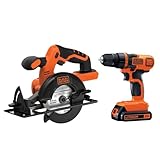
Overview: The BLACK+DECKER BD2KITCDDCS combo kit strategically pairs a 20V cordless drill/driver with the 5-1/2-inch circular saw, delivering two essential tools that share a single battery platform. This bundle targets entry-level users building their first tool collection, offering versatility for drilling, driving, and cutting operations without the premium price of professional brands. Both tools handle typical home maintenance and light construction tasks competently.
What Makes It Stand Out: The integration of two fundamental tools under one battery system provides exceptional startup value. The drill’s 11-position clutch prevents screw stripping, while its LED work light illuminates dark cabinets and corners. The saw maintains the same tool-free conveniences as standalone versions. Sharing batteries between tools maximizes efficiency and reduces overall investment as you expand your collection.
Value for Money: Purchasing these tools separately would cost 30-40% more, making this kit a smart economic choice for beginners. While neither tool matches pro-grade performance, the combined capability covers 80% of household projects. The included battery and charger serve both tools, eliminating redundant purchases.
Strengths and Weaknesses: Strengths include exceptional versatility, cost-effectiveness, lightweight portability, and ecosystem compatibility. The drill’s clutch and light are genuinely useful features. Weaknesses involve the basic 1.5Ah battery limiting runtime, moderate power in both tools, and the saw’s shallow cutting depth. Neither tool suits professional daily use or heavy-duty applications.
Bottom Line: A perfect starter set for new homeowners or DIY beginners, this kit delivers essential capabilities at an accessible price. It’s a practical foundation for a BLACK+DECKER 20V tool collection.
5. Extbtfor Circular Saw,4-1/2" Mini Circular Saw Cordless with 2.0A Battery, Power Saw with Laser Guide, 3400RPM, Maximum Cutting 1-11/16" at 90° and 1-1/8"at 45° for Wood, Soft Metal, Plastic

Overview: The Extbtfor 4-1/2-inch mini circular saw carves out a niche as an ultra-lightweight cordless cutter for light-duty tasks. Weighing just 3.9 pounds, this nimble tool prioritizes maneuverability and one-handed operation over raw power. The included 20V 2.0Ah battery, laser guide, and three material-specific blades create a surprisingly complete package for a lesser-known brand, targeting users who value portability and included accessories.
What Makes It Stand Out: The featherweight design enables overhead cuts and extended use without strain, while the laser guide enhances accuracy typically absent in budget tools. The comprehensive accessory bundle—wood, metal, and plastic blades plus a guide ruler—adds immediate value. User-replaceable laser batteries demonstrate thoughtful design. The 1-11/16-inch cutting depth handles most sheet goods and 2x lumber adequately.
Value for Money: Significantly undercutting brand-name competitors, this saw offers impressive value if reliability proves consistent. The included blades and accessories would cost $30-40 separately. However, the unknown brand reputation and uncertain warranty support introduce risk compared to established manufacturers.
Strengths and Weaknesses: Strengths include exceptional lightness, laser precision, multi-material capability, and generous accessories. It excels at quick cuts and working in tight spaces. Weaknesses involve questionable long-term durability, potentially weaker motor performance, limited brand support, and a smaller blade restricting cut depth. The 2.0Ah battery may lack longevity for bigger projects.
Bottom Line: Worth considering for budget-conscious users needing a lightweight, occasional-use saw. The features and accessories are compelling, but trade brand reliability for affordability. Ideal for light crafts and small repairs.
6. BLACK+DECKER 20V MAX Power Tool Combo Kit, 4-Tool Cordless Power Tool Set with 2 Batteries and Charger (BD4KITCDCRL)

Overview: This four-tool combo kit from BLACK+DECKER delivers essential cordless power tools for the homeowner and DIY enthusiast. The set includes a drill/driver, circular saw, work light, and a reciprocating saw, plus two 20V MAX lithium-ion batteries and a charger. Everything shares a single battery platform, making it an convenient entry point into cordless tools for those starting from scratch.
What Makes It Stand Out: The integrated 20V MAX system is the key selling point—buying into this ecosystem means future tool purchases don’t require additional batteries. The included work light’s impressive 11-hour runtime is genuinely useful for extended projects, and having two batteries ensures continuous work with minimal downtime. The drill’s 11-position clutch prevents common beginner mistakes like stripping screws.
Value for Money: At its price point, this kit offers remarkable value compared to purchasing each tool separately. While not professional-grade, it costs significantly less than comparable Ryobi or Craftsman combos. The two included batteries alone represent substantial savings and double the runtime capability.
Strengths and Weaknesses: Strengths include comprehensive tool selection, battery interoperability, lightweight design, and exceptional affordability. Weaknesses involve plastic construction, limited power for demanding tasks, a basic 5.5" circular saw blade limiting depth, and consumer-grade durability. The drill’s 0-650 RPM speed is modest, and runtime diminishes under heavy load.
Bottom Line: Perfect for beginners, apartment dwellers, or occasional DIYers. This kit handles hanging pictures, assembling furniture, and light woodworking admirably. However, contractors or serious woodworkers should invest in higher-tier brands. For its target audience, it’s an unbeatable starter package.
7. SKIL 20V 6-1/2 Inch Cordless Circular Saw Includes 2.0Ah PWR CORE 20 Lithium Battery and Charger - CR540602
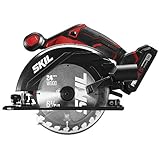
Overview: SKIL’s CR540602 circular saw targets DIYers seeking cordless convenience without premium pricing. This 6-1/2 inch saw includes a 2.0Ah PWR CORE 20 battery and charger, providing a complete ready-to-use package for wood-cutting projects around the home. It’s designed for plywood, 2x lumber, and general-purpose cutting tasks.
What Makes It Stand Out: The PWR CORE 20 battery system features innovative temperature management that actively cools cells during operation, extending runtime and lifespan—a technology rarely seen at this price point. The saw line visor is a thoughtful addition that helps users maintain straight cuts without guesswork. The thin-kerf carbide-tipped blade reduces battery drain while delivering clean cuts.
Value for Money: This kit positions itself as a mid-tier option, costing less than DEWALT or Makita but more than store brands. Including a battery and charger makes it immediately usable, representing solid value for those not already invested in a battery platform. It competes directly with Ryobi’s DIY offerings.
Strengths and Weaknesses: Strengths include the advanced battery cooling system, excellent cut visibility, lightweight maneuverability, and competitive pricing. The 0-50° bevel capacity handles most common angles. Weaknesses involve the smaller 6-1/2" blade limiting cut depth, modest power for thick hardwoods, and DIY-level construction that may not withstand daily professional use.
Bottom Line: An excellent choice for homeowners tackling weekend projects. The battery technology genuinely impresses, and the saw performs admirably on typical DIY materials. For pros or heavy users, invest in higher-tier brands. For everyone else, this offers outstanding functionality per dollar spent.
8. ONEAND 18V Cordless 5 1/2 in. Circular Saw Tool ONLY

Overview: The ONEAND 18V Circular Saw arrives as a bare tool with minimal manufacturer information, positioned as a budget option for those already owning compatible batteries. Its 5-1/2 inch blade is smaller than standard, suggesting light-duty applications. The product listing provides virtually no technical specifications, leaving buyers to make an uninformed decision about compatibility and performance.
What Makes It Stand Out: Frankly, little stands out positively. The product description is vague, mentioning only that “Stens replacement parts have become a favorite among lawn and landscape professionals.” This appears to be a generic tool with unclear specifications, brand reputation, or feature set. There’s no mention of bevel capacity, motor power, RPM, or safety features.
Value for Money: While the low price seems attractive, the absence of battery, charger, and concrete specifications makes the true cost questionable. Without knowing weight, motor type, bevel capacity, or RPM, assessing value is nearly impossible. It may fit certain obscure battery platforms, but compatibility is uncertain and risky.
Strengths and Weaknesses: The only potential strength is low initial cost if you have a matching battery. Weaknesses dominate: no battery or charger included, unknown brand reliability, vague product description, smaller 5-1/2" blade limiting versatility, and no mention of modern features like LED lights or tool-free adjustments.
Bottom Line: We cannot recommend this product. The lack of transparent specifications and credible brand history presents too much risk. Spend slightly more on a proven brand like Ryobi, Craftsman, or SKIL for a tool with support, reviews, and known performance. This is a classic “buy cheap, buy twice” scenario that could lead to frustration.
9. DEWALT 20V MAX* 6-1/2 in. Brushless Cordless Circular Saw, Tool Only (DCS565B)

Overview: DEWALT’s DCS565B represents professional-grade cordless cutting for those invested in the 20V MAX ecosystem. This brushless circular saw delivers power and precision in a compact package, though it’s sold as a bare tool without battery or charger. It’s engineered for contractors, carpenters, and serious DIYers who demand reliability and performance.
What Makes It Stand Out: The brushless motor provides superior efficiency, runtime, and durability compared to brushed alternatives. The electric brake stops the blade instantly when releasing the trigger—a critical safety feature missing on many consumer saws. Tool-free bevel adjustment from 0-50° offers quick angle changes, while the integrated LED light illuminates cut lines in dim conditions. An optional dust chute connects to DEWALT’s AirLock system for cleaner workspaces.
Value for Money: As a bare tool, this requires existing 20V MAX batteries, making it ideal for current DEWALT users. Its premium price reflects professional build quality and features, costing more than DIY brands but less than Milwaukee’s top-tier offerings. For pros, the durability and safety features justify the investment over time.
Strengths and Weaknesses: Strengths include brushless power, electric brake, excellent ergonomics, dust collection compatibility, and robust construction. The lightweight design reduces fatigue. Weaknesses involve the 6-1/2" blade limiting depth cuts, premium pricing, and lack of included battery for newcomers to the platform.
Bottom Line: Outstanding for professionals and serious DIYers already owning DEWALT batteries. The safety features and brushless performance are top-notch. If you’re starting fresh, consider a kit. For those in the ecosystem, this is among the best compact cordless saws available.
10. SKIL 15 Amp 7-1/4 Inch Circular Saw with Single Beam Laser Guide - 5280-01

Overview: SKIL’s 5280-01 is a corded circular saw delivering raw power for demanding cuts. With a robust 15-amp motor spinning a 7-1/4 inch blade at 5,300 RPM, this tool prioritizes performance over portability, making it ideal for workshop and construction site use where consistent power is paramount and extension cords are manageable.
What Makes It Stand Out: The integrated single-beam laser guide is a standout feature typically found on more expensive saws, dramatically improving cut accuracy for users of all skill levels. The 51° bevel capacity with positive stops at 45° handles complex angled cuts. A dust blower keeps the cut line visible, while safety features like a lock-off trigger prevent accidental starts.
Value for Money: This saw competes in the entry-level corded category but punches above its weight with features. It costs significantly less than comparable DEWALT or Makita corded models while offering similar power and cut capacity. For users who don’t need cordless convenience, the value is exceptional.
Strengths and Weaknesses: Strengths include powerful motor, full-size 7-1/4" blade cutting 2-1/2" depth, laser guide accuracy, and outstanding affordability. The spindle lock enables easy blade changes. Weaknesses involve cord restrictions, heavier weight than cordless models, and absence of modern amenities like electric brakes or brushless motors.
Bottom Line: The best value in corded circular saws. If you have reliable power access and prioritize cutting capacity over mobility, this is your saw. The laser guide alone justifies the price. Perfect for DIYers, woodworkers, and budget-conscious pros who need dependable power without premium cost.
Why Cordless Circular Saws Dominate Modern Deck Building
The Cordless Revolution on Job Sites
Remember when cordless tools were the backup plan? Those days are gone. Modern deck builders have embraced cordless circular saws as primary tools because they eliminate trip hazards, reduce setup time, and free you from generator noise and extension cord gymnastics. On a typical deck build, you’ll make hundreds of cuts—some at ground level, others while balanced on joists twenty feet up. The ability to move freely without unplugging and re-routing cords translates to measurable time savings and improved safety.
Runtime That Matches Your Workday
The knock against early cordless saws was always runtime. A single battery might last an hour of intermittent cutting—fine for small repairs, but insufficient for framing a 400-square-foot deck. In 2026, high-capacity battery packs and intelligent power management have flipped this script. A pro-grade 8.0Ah battery can now deliver a full day’s worth of deck boards and framing cuts, while rapid chargers can replenish a dead battery during your lunch break. The key is understanding that runtime is a system feature, not just a battery spec.
Understanding “Value” in Professional-Grade Tools
Total Cost of Ownership vs. Sticker Price
A $99 cordless saw might seem like a steal until you’re replacing it mid-season because the motor burned out cutting 4x4 posts. True value calculations include purchase price, battery costs, replacement blades, warranty service, and even resale value. Professional-grade saws typically cost more upfront but deliver 3-5x the lifespan, better battery compatibility across your tool ecosystem, and retain 40-60% of their value on the used market.
Performance Per Dollar Metrics
Value means different things depending on your workload. For a weekend warrior building one deck per year, a mid-tier saw with a single battery might represent perfect value. For a contractor building three decks monthly, value means a saw that maintains full power under load, survives daily exposure to sawdust and moisture, and works with batteries you already own. Calculate value by dividing expected lifespan (in months of regular use) by total investment. The higher the number, the better the value.
Power and Performance Metrics That Matter
Brushless Motor Technology Explained
Brushless motors have become the non-negotiable standard for value-conscious buyers. Unlike brushed motors with wearable carbon contacts, brushless designs use electronic controllers to deliver power more efficiently. This translates to 30-50% longer runtime, cooler operation during continuous cutting, and enough torque to muscle through wet pressure-treated lumber without bogging down. For deck building, where you’ll encounter knots, embedded hardware, and dense composite cores, this power delivery consistency is critical.
RPM and Torque: The Real Story
Manufacturers love to advertise no-load RPMs—those impressive 5,000+ numbers. But deck builders care about loaded speed: how fast the blade spins when it’s actually cutting. High torque at lower RPMs often outperforms high-speed saws that stall under pressure. Look for saws that maintain blade speed through 2-inch thick Douglas fir joists or capped composite decking. The best value saws balance speed and torque, automatically adjusting power output based on resistance.
Battery Technology: The True Cost of Cordless
Voltage Platforms: 18V/20V vs. Higher Voltage Systems
The industry standard 18V/20V max platforms offer the best value for most deck builders because of battery interchangeability across hundreds of tools. While 36V or 40V saws deliver more raw power, they lock you into a smaller ecosystem with expensive, non-compatible batteries. For all but the heaviest timber framing, a high-output 18V battery provides sufficient power while letting you share batteries with your drill, impact driver, and reciprocating saw.
Amp-Hour Ratings and Real-World Runtime
That “Ah” number on batteries isn’t just marketing. A 5.0Ah battery contains 90 watt-hours of energy; an 8.0Ah packs 144 watt-hours. On a deck job, expect 80-120 linear feet of 5/4 decking cuts per amp-hour with a sharp blade. But runtime varies wildly based on material—composite decking with its plastic content demands more power than cedar. The value move? Buy the highest Ah batteries you can afford, as they actually deliver better performance (less voltage sag) and lower cost per watt-hour.
Blade Specifications for Deck Materials
Tooth Count and Grind for Pressure-Treated Lumber
For framing and pressure-treated decking, a 24-tooth thin-kerf blade offers the best value. It clears sawdust efficiently, requires less power (extending battery life), and cuts aggressively through softwood. The alternate top bevel (ATB) grind slices cleanly through wood fibers, reducing splintering on deck board faces. Avoid ultra-cheap blades—they dull quickly on treated lumber’s alkaline copper quaternary (ACQ) content, which is abrasive and hard on carbide tips.
Specialty Blades for Composite and PVC Decking
Composite decking laughs at standard framing blades, melting and chipping instead of cutting cleanly. Value-conscious builders invest in dedicated composite blades with 40-60 teeth and a triple-chip grind (TCG) that shears through plastic and wood fibers without heat buildup. While these blades cost 2-3x more than framing blades, they cut 5x more linear feet before needing replacement and eliminate costly callback for chipped board edges.
Safety Features Non-Negotiable for Outdoor Work
Electric Brake: A Lifesaving Essential
On a deck site, you’ll make repetitive cuts, often with one hand steadying the board. An electric brake stops the blade within 2-3 seconds of trigger release, compared to 10+ seconds for saws without this feature. This isn’t a luxury—it’s protection against setting down a spinning saw on your workpiece or having a blade catch loose clothing while you’re climbing down from a deck. Every value saw worth considering in 2026 includes this feature.
Rafter Hook Design and Placement
A sturdy rafter hook seems minor until you’re working 12 feet in the air and need both hands free. The best value saws feature steel hooks that lock securely over 2x joists, positioned to balance the saw’s weight without interfering with the blade guard. Avoid plastic hooks—they snap in cold weather. Some premium designs even include rubber overmolding to prevent marring finished deck surfaces when hung temporarily.
Ergonomics and User Comfort
Handle Geometry and Vibration Dampening
You’ll grip your saw hundreds of times daily during a deck build. Value saws feature contoured handles with rubber overmold that reduces vibration transfer. Look for front pommels that allow two-handed control during long rip cuts. Excessive vibration doesn’t just cause fatigue—it reduces cut accuracy and can lead to nerve damage over time. The best saws isolate the motor housing from the handle with rubber bushings.
LED Lights and Cutline Visibility
Shadows are your enemy when cutting deck boards in late afternoon or under a pergola. Integrated LED lights that project just ahead of the blade cutline dramatically improve accuracy and safety. Some 2026 models feature adjustable brightness or crosshair lasers. While lasers seem fancy, simple bright LEDs often provide better value—they don’t require calibration and work in bright sunlight where lasers wash out.
Durability and Weather Resistance
IP Ratings and What They Mean for Deck Work
Outdoor work means dew, rain, and sawdust slurry. Ingress Protection (IP) ratings tell you how well your saw withstands this abuse. IP54 means dust-protected and splash-resistant—adequate for most deck work. IP65 (dust-tight and water jet-resistant) offers better peace of mind but adds cost. The value sweet spot? IP54 construction with sealed battery compartments and motor housings, plus a 3-year warranty that explicitly covers moisture damage.
Material Choices: Magnesium vs. Plastic
High-value saws use magnesium for the shoe and motor housing—not just to save weight, but because magnesium doesn’t flex like plastic and won’t crack in freezing temperatures. Plastic components belong on homeowner-grade tools. Check the shoe for flatness; a warped base plate ruins cut accuracy. Some value saws feature stainless steel shoes that resist corrosion from treated lumber’s chemicals, though they add weight.
Cutting Capacity and Bevel Range
Standard Deck Building Cuts You Need to Make
Most deck framing requires cutting 2x material (actual 1.5" thick) and occasionally 4x4 posts. A saw with 2-1/8" depth capacity at 90° handles these tasks with margin to spare. For bevel cuts on stair stringers or decorative rail caps, you need at least 1-1/2" capacity at 45°. Some saws offer 56° bevel capacity for specialized cuts, but for standard decks, 45°-50° represents the best value—additional range adds cost and complexity.
Depth Adjustment Mechanisms
Look for tool-free depth levers that lock positively without slipping. Detents at common depths (1/2", 3/4", 1-1/2") speed up repetitive cuts. The scale should be etched, not printed—printed markings wear off quickly. A depth adjustment that moves smoothly without binding indicates good machining and long-term reliability. Cheap saws often have sloppy depth mechanisms that drift during cuts.
Advanced Features Worth Paying For
Smart Technology Integration in 2026
Bluetooth connectivity might sound gimmicky, but it enables features that add real value. Tool tracking prevents theft on open job sites—your phone alerts you if a saw moves beyond a set perimeter. Some systems log runtime hours, helping you schedule blade changes before they dull. Automatic firmware updates can improve performance or add features post-purchase. For contractors, these features reduce losses and improve maintenance scheduling.
Automatic Speed Control and Kickback Prevention
Sensors that detect blade binding and automatically cut power prevent dangerous kickbacks—a common hazard when cutting warped deck boards that pinch the blade. This technology, once reserved for premium saws, has filtered down to mid-range models in 2026, representing excellent value. The system reacts faster than human reflexes, potentially saving fingers and preventing falls from ladders.
Weight vs. Power: Finding Your Balance
Fatigue Factor in All-Day Use
A 2-pound weight difference doesn’t seem significant—until you’re making your 200th cut of the day while reaching over a railing. Lightweight saws (under 7 pounds) reduce fatigue but often sacrifice power and cutting depth. Heftier saws (9+ pounds) cut more aggressively but wear you down. The value zone for deck building sits around 7.5-8.5 pounds with battery, balancing cutting authority with manageable weight for overhead work.
One-Handed Operation Considerations
Sometimes you need to hold a board with one hand and cut with the other. Compact saws excel here, but their smaller blades (6-1/2" vs 7-1/4") limit depth capacity. For deck building, a full-size 7-1/4" saw offers better value—you can still operate it one-handed for short periods, and it handles all framing cuts without needing a second saw. The exception: if you exclusively build small, low decks, a compact saw might suffice.
Warranty and Service Support
Standard Warranty Periods and What They Actually Cover
Most cordless saws offer 3-year limited warranties, but the fine print matters. Some exclude “commercial use,” rendering them useless for contractors. The best value warranties cover defects for 3-5 years and include 1-2 years of free service (adjustments, cleaning). Look for brands with local service centers—shipping a saw for warranty work costs time and money. Some manufacturers offer loaner tools during repairs, a huge value-add for pros.
Pro vs. Homeowner Warranty Distinctions
Tools sold at big box stores sometimes carry different warranties than identical models sold through pro dealers. The pro versions might cost 10-15% more but include extended coverage and faster service. For deck builders using tools daily, this upgrade pays for itself the first time you need a repair. Always register your tool online within 30 days—many warranties require registration to activate full coverage.
Accessorizing Your Saw for Deck Building
Guide Rails and Straightedge Systems
Freehand cutting deck boards leads to wavy edges and gaps. A simple guide rail system—essentially a straightedge that clamps to your workpiece—transforms your circular saw into a precision tool. The best value setups use universal adapters that fit multiple saw brands, allowing you to upgrade saws without replacing rails. For long rip cuts on deck boards, a 50-inch rail pays for itself in material savings and professional results.
Dust Collection Solutions for Outdoor Work
Even outdoors, sawdust creates hazards—slippery surfaces, clogged tools, and respiratory irritation. While dust collection seems less critical outside, a saw with a functional dust port and vacuum adapter keeps your cutline visible and your work area safer. Look for saws with dust blowers that clear the cutline without needing a vacuum. Some 2026 models feature downward-directed dust ports that don’t clog with grass and debris like side-mounted ports.
Common Deck Building Cuts and Techniques
Rip Cuts for Decking Boards
Ripping a 5/4 deck board lengthwise to fit against a wall requires a steady hand and a sharp blade. Set your saw depth to just clear the board thickness—exposed blade below the workpiece is a hazard. Use a straightedge guide for cuts over 24 inches. For composite boards, cut slowly to prevent melting; let the blade do the work rather than forcing it. A value saw with consistent speed control excels here.
Crosscuts and Miter Cuts on Railings
Rail caps and trim often require precise miter cuts at 45° or odd angles for stairs. A saw with a clear bevel scale and positive stops at common angles speeds this work. Cut rail caps slightly long, then sneak up on the final length with multiple trim cuts—it’s faster than trying to nail the measurement perfectly. For composite railings, support the cut on both sides to prevent chipping.
Plunge Cuts for Vent and Electrical Openings
Occasionally you’ll need to cut rectangular openings for vents or outlets in deck boards. This requires a saw capable of clean plunge cuts. Engage the depth stop, tilt the saw forward on its front edge, then gradually lower the spinning blade into the wood. Practice this technique on scrap first—plunge cuts are advanced moves that demand respect for the blade’s power.
Maintenance Tips for Longevity
Daily Cleaning Routine
After each day of deck building, blow out sawdust with compressed air, paying special attention to the motor vents and blade guard pivot. Wipe down the shoe with a light oil to prevent rust from morning dew. Remove and clean the battery contacts monthly with a dry cloth—corrosion here reduces performance and can cause dangerous overheating. Five minutes of maintenance extends saw life by years.
Battery Care for Maximum Lifespan
Store batteries indoors, not in your truck overnight. Extreme cold reduces capacity; heat degrades cells permanently. Never run batteries completely dead—stop using them when you notice power drop-off. For long-term storage (over winter), charge batteries to 50% and check them monthly. A $100 battery lasts 500+ cycles with proper care but might die after 200 cycles if abused. That’s a 60% cost savings just from basic maintenance.
Blade Maintenance and Storage
Remove resin and pitch buildup from blades using a specialized cleaner—this reduces friction and extends battery life. Store blades in their original packaging or a dedicated case to protect carbide teeth from chipping. Rotate between two or three blades during big jobs; letting a hot blade cool between uses prevents tooth warping. A sharp blade is safer, cuts faster, and uses less battery power than a dull one.
Frequently Asked Questions
What size circular saw is best for deck building?
A 7-1/4-inch blade offers the best versatility for deck projects. It cuts through 2x lumber at 90° with capacity to spare and handles bevel cuts up to 45°. While 6-1/2-inch saws are lighter, they struggle with 4x4 posts and thicker engineered lumber. For dedicated deck building, the full-size saw’s cutting depth outweighs the minor weight penalty.
How many batteries do I need for a full day of deck cutting?
With modern 8.0Ah batteries, two packs typically suffice for a full day of intermittent cutting on a standard deck. However, if you’re gang-cutting dozens of joists or ripping long composite boards continuously, three batteries ensure zero downtime. The value move is buying a kit with two batteries and adding a third if your workflow demands it.
Can I use a cordless circular saw for cutting composite decking?
Absolutely, but you need the right blade and technique. Use a 40-60 tooth TCG blade designed for composites, cut at full speed without forcing the saw, and support the board properly to prevent chipping. Cordless saws with automatic speed control excel here, maintaining RPMs even as the dense material loads the blade.
Is brushless motor technology worth the extra cost for deck building?
Yes. Brushless motors deliver 30-50% more runtime, run cooler during continuous use, and provide better torque for cutting dense materials. For a tool you’ll use hundreds of hours annually, the motor’s efficiency pays for itself in battery savings alone within the first year. Plus, the longer motor lifespan means you won’t replace the saw as frequently.
What’s the ideal weight for a deck building circular saw?
Between 7.5 and 8.5 pounds with battery installed. This range provides enough mass to stabilize the saw during cuts without causing fatigue over an 8-hour workday. Lighter saws feel nimble but can vibrate more; heavier saws cut smoothly but wear you down when working overhead or on ladders.
How important is an electric brake for outdoor deck work?
Critical. An electric brake stops the blade in under 3 seconds, preventing accidents when setting the saw down or if it slips from your grip. On elevated decks, a spinning blade can catch clothing or roll off the edge, creating a falling hazard. This feature costs manufacturers little to add but provides immense safety value.
Should I buy a saw kit or tool-only if I already have batteries?
If you own batteries from the same platform, tool-only purchases save money—usually 30-40% less than a kit. However, evaluate your batteries’ age and capacity. If they’re more than 3 years old or lower amp-hour ratings, a kit with new high-output batteries often represents better long-term value through improved runtime and performance.
What’s the difference between homeowner and professional warranty coverage?
Homeowner warranties often exclude daily commercial use and require you to ship tools for service. Professional warranties typically include local service centers, faster turnaround, and loaner tools during repairs. For deck builders using tools daily, the pro warranty’s premium pays for itself with one major repair or replacement.
How do I prevent my saw from rusting when working outdoors?
Wipe the shoe and metal components with a light machine oil or WD-40 at day’s end. Store the saw indoors overnight, never in a damp truck bed. Consider a silicone-treated storage bag for rainy days. For coastal areas where salt air accelerates corrosion, choose saws with stainless steel or powder-coated components.
Are laser guides or LED lights better for cutting accuracy?
LED lights provide better value. They illuminate the cutline in all conditions, require no calibration, and work in bright sunlight where lasers become invisible. Lasers can drift out of alignment and need periodic adjustment. A bright LED positioned close to the blade gives you a clear view of your mark without the precision demands of keeping a laser line perfectly aligned.
See Also
- 10 Best Cordless Circular Saws for Outdoor Shed Building in 2026
- 10 Expert-Recommended Circular Saws for Outdoor Deck Building in 2026
- 10 Best Circular Saws for Deck Building in 2026
- 10 Best Value Cordless Circular Saws for Weekend Projects in 2026
- The Complete Guide to the 10 Best Circular Saws for Deck Building