Table of Contents
Power tools have evolved dramatically by 2026, with brushless motors, smart connectivity, and compact lithium-ion batteries becoming the standard rather than the exception. This technological revolution means your storage solutions need to be just as sophisticated as the tools themselves. Whether you’re a professional contractor managing a fleet of cordless platforms or a serious DIY enthusiast whose garage workshop has become a sanctuary, the right tool chest isn’t just furniture—it’s the central nervous system of your entire operation.
Choosing the perfect tool chest for power tools requires balancing capacity, accessibility, security, and future scalability. Unlike hand tools that nestle neatly into traditional drawers, power tools demand specialized considerations: battery charging ecosystems, torque-sensitive components, dust management, and the sheer weight of modern equipment. This comprehensive guide walks you through everything you need to know to make an informed decision that will serve your workshop for years to come.
Top 10 Tool Chests For Power Tools
Detailed Product Reviews
1. beyond by BLACK+DECKER BLACK+DECKER BDST60500APB Stackable Storage System - 3 Piece Set (Small, Deep Toolbox, and Rolling Tote)
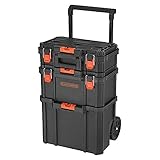
Overview: The BLACK+DECKER BDST60500APB offers a versatile three-piece storage solution combining a small parts organizer, deep toolbox, and rolling tote. This modular system targets DIY enthusiasts and homeowners seeking flexible tool organization. The stackable design with auto-locking latches creates a cohesive unit that moves as one, while allowing individual access when needed.
What Makes It Stand Out: The innovative quick-release locking latch system sets this apart from basic stackable boxes. Unlike traditional units requiring full disassembly, you can separate modules instantly while stacked. The telescoping handle provides ergonomic steering, and toggle latches operate smoothly even with gloved hands. This engineering transforms three containers into an integrated mobile workshop.
Value for Money: Positioned in the mid-range, this set delivers three coordinated units for roughly the price of two comparable individual purchases. BLACK+DECKER’s brand reliability adds confidence, though plastic construction suggests it’s better suited for homeowner rather than professional contractor abuse. Comparable separate purchases would cost 20-30% more.
Strengths and Weaknesses: Strengths include excellent modularity, smooth stacking mechanism, comfortable portability, and quick individual unit access. The auto-lock system simplifies connection and disconnection. Weaknesses involve unspecified weight capacity limits, potentially less durable plastic compared to resin alternatives, and the rolling tote’s limited interior organization. The small toolbox may prove too compact for larger hand tools.
Bottom Line: Ideal for garage organization and occasional job site use, this system excels in convenience and flexibility. DIYers prioritizing modularity over heavy-duty capacity will find excellent value here.
2. Keter Masterloader Resin Rolling Tool Box with Locking System and Removable Bins – Perfect Organization and Storage Chest for Power Drill, Tape Measure, and Screwdriver Set, Black

Overview: The Keter Masterloader delivers robust resin construction in a compact rolling format designed for tradespeople and serious DIYers. Measuring 24.25" deep with a 66-pound weight capacity, this weather-resistant chest prioritizes protection and organization. The central locking mechanism secures both the lid and contents during transport, making it suitable for mobile professionals.
What Makes It Stand Out: Six removable bins in two sizes provide exceptional small parts organization, eliminating the need to dig through a deep main compartment. The all-weather resin construction withstands rain, UV exposure, and temperature fluctuations without rusting or denting. Heavy-duty 7-inch rubber wheels navigate rough terrain confidently, while the extendable handle offers comfortable pulling height.
Value for Money: Competitively priced against metal alternatives, the Masterloader includes organizational accessories that competitors often sell separately. The resin build provides better weather resistance than steel at a similar price point, though the 66-pound capacity limits heavy tool storage. For mobile tradespeople needing organized small parts storage, this represents strong value.
Strengths and Weaknesses: Strengths include excellent weather resistance, thoughtful bin organization, smooth-rolling wheels, and stable locking mechanism. The resin material resists corrosion and impact damage effectively. Weaknesses center on the modest weight capacity, potential for resin cracking in extreme cold, and the main compartment’s depth making larger tools harder to access. The locking mechanism uses plastic components that may wear over time.
Bottom Line: A solid choice for electricians, plumbers, and maintenance workers needing organized, weatherproof mobile storage for moderate-weight tools and hardware.
3. CRAFTSMAN VERSASTACK 30 Gallon Quick-Access Rolling Tool Chest (CMST17870)

Overview: The CRAFTSMAN VERSASTACK rolling chest brings professional-grade features to the jobsite with its massive 30-gallon capacity and IP54-rated weather protection. Designed for contractors requiring rapid tool access, the innovative half-lid design allows entry to frequently used items without disturbing stacked modules above. This heavy-duty unit functions as both storage and a mobile workstation.
What Makes It Stand Out: The quick-access half-lid revolutionizes workflow efficiency, enabling one-handed operation even when fully loaded. IP54 dust and water resistance provides genuine protection against jobsite conditions. The ability to stack additional VERSASTACK units in two orientations creates a customizable workstation height, while the robust telescoping handle and large wheels handle substantial weight with ease.
Value for Money: Positioned at the premium end, this chest justifies its price through professional features unmatched by consumer-grade alternatives. The weather sealing and quick-access design save valuable time daily. While costing 40-50% more than basic rolling boxes, the durability and functionality make it a worthwhile investment for professionals whose tools represent thousands of dollars.
Strengths and Weaknesses: Strengths include exceptional capacity, superior weather resistance, innovative half-lid access, heavy-duty construction, and seamless integration with the VERSASTACK ecosystem. Weaknesses involve significant weight when loaded, bulky dimensions that may not fit in compact vehicles, and premium pricing that may deter casual users. The large size can make stair navigation challenging despite quality wheels.
Bottom Line: The ultimate choice for professional contractors prioritizing capacity, weather protection, and rapid access. Serious DIYers with extensive collections will also appreciate the premium engineering.
4. Portable Tool Box with Wheels - Stackable 2-in-1 Tool Chest with Fold-Down Comfort Handles, Tough Latches, and Removable Storage Trays by Stalwart

Overview: The Stalwart Portable Tool Box offers a budget-conscious 2-in-1 stacking solution combining a traditional chest with a deep storage compartment. Measuring 24 inches tall when stacked, this plastic system targets homeowners and light-duty users seeking basic portability. The black and yellow color scheme provides visibility while lockable latches add modest security for garage or workshop use.
What Makes It Stand Out: The fold-down handle design saves space during storage while remaining attached to both units for simplified maneuvering. As one of the most affordable rolling options available, it democratizes mobile tool storage for casual users. The separate compartments allow logical tool separation without requiring full disassembly, and the lockable design deters opportunistic theft.
Value for Money: Extremely budget-friendly, this set costs significantly less than half of professional alternatives. While plastic construction and smaller wheels indicate limited durability, the price point makes it accessible for homeowners who need occasional mobility. For light-duty use, it delivers functional value, though frequent movers should invest in more robust options.
Strengths and Weaknesses: Strengths include unbeatable affordability, lightweight design, space-saving fold-down handle, and basic lockable security. The two-unit system provides flexible configuration options. Weaknesses involve narrow 2-inch wheels that struggle on uneven surfaces, thinner plastic construction vulnerable to cracking under heavy loads, and limited weather resistance. The handle attachment points may weaken over time with heavy use.
Bottom Line: Perfect for garage storage and occasional transport of lighter tools. Budget-minded homeowners will find adequate functionality, but professionals should look elsewhere for durability.
5. Rolling Tool Box with Wheels Heavy Duty,Modular Stackable Tool Box Organizer,Waterproof Toolbox for Hand/Power Tools,Removable Divider/Parts Box,All-terrain Durable Wheels,Telescopic Pull Rod Handle

Overview: The AIRAJ Rolling Tool Box positions itself as a heavy-duty alternative to established brands, featuring toughened resin construction and IP54 waterproofing. This modular system emphasizes durability through added toughening agents that resist brittleness and cracking. The unibody molding process maximizes interior volume while maintaining structural integrity for demanding jobsite conditions.
What Makes It Stand Out: Seven-inch all-terrain wheels distinguish this unit, conquering stairs, gravel, and muddy sites where standard wheels falter. The IP54 rating with internal rubber seals provides genuine water and dust protection rarely found at this price point. Removable dividers and a top parts tray offer customizable organization, while the telescopic handle adjusts for user comfort during extended transport across challenging surfaces.
Value for Money: Aggressively priced against premium competitors, AIRAJ delivers heavy-duty features including all-terrain mobility and weather sealing for mid-range cost. The lesser-known brand name trades off against impressive specifications. For users prioritizing function over brand prestige, this represents exceptional value, though long-term durability remains unproven compared to legacy manufacturers.
Strengths and Weaknesses: Strengths include robust toughened resin, superior wheel design, excellent weather resistance, generous capacity, and competitive pricing. The all-terrain capability genuinely expands job site accessibility. Weaknesses center on the unestablished brand reputation, potentially limited warranty support, and unknown long-term latch durability. The telescopic handle may have more flex than premium alternatives.
Bottom Line: An impressive value proposition for contractors needing true all-terrain mobility and weather protection without premium brand pricing. Worth considering for tool-heavy users.
6. Olakee Power Tool Organizer Garage Storage Organization Shelving Tool Holder Drill Rack Shelf Rolling Cart Open Tool Chest Cabinet Box Organizer with Wheels Workshop Garage Gift Ideas for Men Dad

Overview: The Olakee Power Tool Organizer reimagines garage storage by combining wall-mount efficiency with rolling mobility. This open-concept cart features multiple storage tiers, dedicated drill racks, and accessory baskets, designed to keep power tools and hand tools organized while remaining transportable. Constructed from high-density fiberboard and powder-coated alloy steel, it promises durability and a 500-pound load capacity, making it suitable for serious DIYers and professionals alike.
What Makes It Stand Out: Its hybrid design is the key differentiator—unlike static pegboard systems, this unit moves with you. The specialized drill rack accommodates at least seven drills, while the multi-level shelving, mesh bottom tray, and removable baskets offer versatile storage configurations. The industrial-grade materials resist rust and bending, ensuring longevity in demanding workshop environments. The thoughtful inclusion of both frame and hook hangers maximizes vertical space utilization.
Value for Money: Positioned as a mid-range solution, this organizer delivers exceptional value compared to installing multiple wall-mounted systems or purchasing separate rolling carts. The 500-pound capacity and premium construction justify the investment, particularly for users who frequently transition between indoor and outdoor projects. It eliminates the need for duplicate tools across workstations.
Strengths and Weaknesses: Strengths include superior mobility, robust weight capacity, versatile storage options, and quick assembly. The open design provides immediate tool access without door interference. However, weaknesses include lack of weatherproofing for outdoor use, no locking mechanism for security, and potential stability issues when fully loaded on uneven surfaces. The fiberboard components may be susceptible to moisture damage over time.
Bottom Line: Ideal for workshop warriors seeking flexible storage, the Olakee organizer excels in mobility and capacity. While it won’t replace a secure tool chest for valuable equipment, it’s an excellent secondary system for active projects. Recommended for DIY enthusiasts and professionals who prioritize accessibility and organization.
7. WORKPRO 52" x 20" 5-Drawer & 1-Door Rolling Tool Chest, Heavy Duty Tool Chest with Wheels, Power Strip, Locking System, Rolling Cabinet for Garage, Home & Kitchen, 1000 lbs Capacity
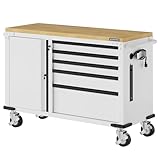
Overview: The WORKPRO 52-inch Rolling Tool Chest is a heavy-duty storage solution engineered for serious organization. Featuring five ball-bearing drawers, a cabinet with adjustable shelves, and a solid wood worktop, this 1000-pound capacity unit combines mobility with shop-grade durability. The integrated power strip and comprehensive locking system make it a self-contained workstation for garage or workshop environments.
What Makes It Stand Out: Its patent-pending design integrates a power strip directly into the cabinet—a game-changer for charging tools and powering equipment. The five drawers glide effortlessly on ball-bearing tracks with cushioned liners, while the single-door cabinet accommodates bulkier items. The 1-3/8-inch solid wood top provides an immediate work surface, eliminating the need for a separate bench. Four swivel casters with brakes ensure stability during use.
Value for Money: With professional-grade steel construction and a 1000-pound capacity, this tool chest competes with units twice its price. The included power strip, drawer liners, and robust locking mechanism add significant value. While assembly is required across two packages, the feature set rivals premium brands without the premium cost, making it an excellent investment for hobbyists and semi-professionals.
Strengths and Weaknesses: Strengths include exceptional load capacity, smooth drawer operation, integrated power supply, secure locking system, and protective corner bumpers. The solid wood top is both functional and durable. Weaknesses include assembly complexity requiring careful attention to instructions, substantial weight when fully loaded (potentially straining casters), and limited drawer size variety. The 20-inch depth may be insufficient for some larger power tools.
Bottom Line: A robust, feature-rich tool chest that punches above its weight class. The WORKPRO unit is perfect for users needing secure, mobile storage with built-in power access. Despite assembly demands, its capacity, construction quality, and thoughtful features make it a top contender for garage organization. Highly recommended for serious DIYers.
8. KingTool 276-Piece Tool Set Kit - Tool kit with 12V Cordless Power Drill Driver Toolbox Storage Case with Drawer, Drill Set Perfect for Homeowner, Diyer, Handyman
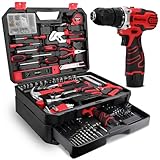
Overview: The KingTool 276-Piece Tool Set is a comprehensive starter kit targeting homeowners and DIY enthusiasts. Centered around a 12V cordless drill driver, this collection includes essential hand tools housed in an upgraded toolbox with a sliding drawer. The kit addresses everyday repair needs—from furniture assembly to light renovation—while maintaining portability and organized storage for casual users.
What Makes It Stand Out: The integrated toolbox design sets this apart from basic tool sets. The separate sliding drawer creates two-tier organization, preventing the chaotic jumble common in single-compartment cases. The 12V drill offers two-speed control up to 1500 RPM in an ultra-lightweight 1.76-pound package, reducing fatigue during extended use. Heat-treated chrome vanadium tools with ergonomic TPR handles deliver professional feel at consumer pricing.
Value for Money: This all-in-one kit eliminates the need for separate tool purchases, offering remarkable value for first-time homeowners or apartment dwellers. While the 1.5Ah battery limits heavy-duty runtime, the comprehensive selection of 276 pieces—including multiple drill bits, drivers, wrenches, and pliers—justifies the price point. Comparable quality in separate purchases would cost significantly more.
Strengths and Weaknesses: Strengths include exceptional tool variety, smart toolbox organization, lightweight drill, comfortable grips, and ready-to-use completeness. The kit covers most household tasks effectively. Weaknesses include limited battery capacity for extended projects, basic tool quality unsuitable for professional daily use, potentially brittle plastic case components, and lack of included charger specification details. The drill lacks hammer function for masonry work.
Bottom Line: An ideal entry-level solution for new homeowners or occasional DIYers. The KingTool kit provides impressive breadth and thoughtful organization at an accessible price. While not built for contractor-grade demands, it excels for routine maintenance and light projects. A perfect housewarming gift that delivers immediate utility without overwhelming novices.
9. DEWALT TSTAK II Tool Box, Flat Top Tool Storage Case, Organizer Box Holds Up To 66 lbs, Flexible Platforms for Stacking, 13 Inch (DWST17807)

Overview: The DEWALT TSTAK II is a modular flat-top toolbox designed for professionals who prioritize customization and mobility. Part of the versatile TSTAK system, this 13-inch organizer box supports up to 66 pounds and features heavy-duty metal latches and a comfortable bi-material handle. Its stackable design allows users to create personalized storage towers tailored to specific trades or project needs.
What Makes It Stand Out: The TSTAK ecosystem’s flexibility is unmatched—units connect securely via durable side latches while allowing individual box removal without dismantling the entire stack. The flat top design maximizes vertical storage efficiency, and the heavy-duty metal latches resist rust and withstand jobsite abuse. The ergonomic handle provides comfortable transport even when fully loaded, distinguishing it from cheaper alternatives with flimsy grips.
Value for Money: As a mid-priced modular box, the TSTAK II offers excellent value within DEWALT’s professional-grade system. While individual units cost more than generic stackable boxes, the interoperability, durability, and resale value justify the premium. For users already invested in the TSTAK platform, it’s an essential building block. New users should consider the long-term benefits of a scalable system versus cheaper fixed configurations.
Strengths and Weaknesses: Strengths include rugged construction, excellent modularity, secure stacking mechanism, comfortable handle, and professional brand reliability. The 66-pound capacity is generous for its size. Weaknesses include limited internal organization features (no dividers included), higher price point than non-modular alternatives, and potential compatibility issues with other brands’ stacking systems. The flat design offers less depth than some competitors.
Bottom Line: A cornerstone component of DEWALT’s excellent modular storage system. The TSTAK II excels for professionals needing customizable, portable organization. While it requires investment in multiple units for full benefit, its durability and flexibility make it worthwhile. Recommended for tradespeople and serious DIYers planning to expand their storage system over time.
10. VEVOR Metal Tool Box, 8.6-inch, Portable Metal Tool Box with 5 Drawers, Small Tool Chest with EVA Liners and PP Feet Pads, Heavy-Duty Steel With Ball Bearing Opening and Powder Coated Finish, Red

Overview: The VEVOR 8.6-inch Metal Tool Box is a compact five-drawer organizer engineered for precision storage of small components. Measuring just 8.6 x 4.6 x 8.1 inches, this miniature chest features ball-bearing drawer slides, EVA protective liners, and a rugged steel construction. Designed for workbench organization, it excels at storing fasteners, bits, and small hand tools while protecting delicate surfaces with anti-slip PP feet.
What Makes It Stand Out: Its diminutive footprint maximizes vertical storage density without consuming valuable bench space. The five shallow drawers with smooth ball-bearing action provide exceptional organization granularity, while the included EVA liners prevent part migration and protect contents. The 0.5mm thickened steel offers surprising rigidity for its size, and the powder-coated finish resists workshop chemicals and rust. The PP feet prevent scratching delicate surfaces.
Value for Money: This mini organizer delivers outstanding value for hobbyists, electronics technicians, and jewelry makers. The sub-five-pound weight and compact dimensions make it highly portable, while the drawer capacity accommodates substantial small-part inventories. Comparable products from hobby brands cost significantly more, making VEVOR’s offering a budget-friendly alternative that doesn’t sacrifice functionality or durability.
Strengths and Weaknesses: Strengths include space-efficient design, smooth drawer operation, protective liners, stable construction, and versatile applications beyond tools (stationery, cosmetics, crafts). The powder-coated finish ensures longevity. Weaknesses include limited drawer depth restricting larger tool storage, lack of a locking mechanism, potential for drawer spillage if inverted, and basic aesthetic that may not suit office environments. The 2.2-pound per-drawer limit requires careful load distribution.
Bottom Line: An excellent specialized organizer for small parts and precision tools. The VEVOR mini chest is perfect for cluttered workbenches or craft stations where space is premium. While unsuitable for heavy hand tools, its quality and thoughtful design make it ideal for detailed organization tasks. Highly recommended for model builders, electronics enthusiasts, and anyone battling small-part chaos.
Why Power Tool Organization Matters in 2026
The Evolution of Power Tools and Storage Needs
The average power tool collection in 2026 looks nothing like it did even five years ago. With the proliferation of battery platforms, compact multi-tools, and precision measuring equipment, storage needs have become exponentially more complex. Today’s cordless circular saws, rotary hammers, and impact drivers feature delicate electronic controls and sensors that require protection from moisture, dust, and impact. Your tool chest must evolve from simple metal boxes into intelligent storage ecosystems that preserve tool longevity while maximizing workflow efficiency.
Safety and Efficiency Benefits
A well-organized tool chest does more than look impressive—it fundamentally transforms how you work. When every tool has a designated home, you eliminate the 15-minute morning hunts for that missing impact driver or the specific battery adapter you need. More importantly, proper organization prevents the domino effect of accidents: loose tools shifting during drawer slides, overloaded compartments causing tip-over hazards, and cluttered surfaces leading to tripping risks. In professional settings, organized tool storage can reduce job site setup time by up to 40%, directly translating to increased billable hours and reduced client frustration.
Key Considerations When Choosing a Tool Chest
Understanding Your Power Tool Inventory
Before browsing any catalog, conduct a comprehensive audit of your power tool collection. Count not just the primary tools, but every battery, charger, bit set, blade, and accessory. Group items by frequency of use, weight, and dimensional footprint. This inventory becomes your blueprint for drawer depth requirements, charging station placement, and overall capacity needs. Remember to factor in planned purchases for the next 2-3 years—nothing’s more frustrating than outgrowing a chest six months after assembly.
Workshop Space and Layout Planning
Measure your available floor space with brutal honesty, accounting for workflow patterns and clearance zones. A massive 56-inch chest might offer dream storage, but if it blocks your table saw’s outfeed path or prevents you from opening your garage door fully, it’s a costly mistake. Consider vertical clearance for lifting heavy tools from top drawers, and ensure you have at least 36 inches of clearance in front of the unit for comfortable access. Sketch a scaled floor plan that includes all major equipment to visualize traffic flow before committing to dimensions.
Mobility vs. Stationary Storage
The mobility decision hinges on your work style. Mobile chests with robust casters excel for contractors moving between job sites or multi-car garage workshops where reconfiguration is frequent. However, mobility sacrifices stability and typically reduces weight capacity per drawer. Stationary chests offer superior load-bearing capabilities and can be bolted to walls for seismic security, making them ideal for dedicated workshop spaces. Many professionals now opt for hybrid systems: a stationary main chest supplemented by a mobile workbench that docks underneath, providing the best of both worlds.
Tool Chest Materials and Construction Quality
Steel Gauge and Durability Standards
The gauge number tells a critical story—lower numbers indicate thicker, more durable steel. For power tool storage, 18-gauge steel represents the minimum acceptable standard, while 16-gauge or even 14-gauge construction handles professional abuse and heavy loads without drawer sag or frame flexing. Examine corner construction; fully welded seams with reinforced gussets dramatically outlast spot-welded alternatives. The chest’s back panel deserves equal scrutiny—many manufacturers skimp here, using thinner steel that compromises overall rigidity when loaded with heavy cordless kits.
Powder Coating and Corrosion Resistance
Modern powder coating has evolved beyond simple color application. Look for epoxy-based formulations with UV inhibitors that prevent chalking and fading in sunlit workshops. The coating thickness should be uniform, even on interior surfaces and drawer edges where moisture first accumulates. In coastal or humid environments, consider units with zinc phosphate pre-treatment that creates a sacrificial layer beneath the powder coat, essentially doubling corrosion resistance. Matte finishes hide scratches better than high-gloss options, maintaining professional appearance longer in high-traffic environments.
Wood and Composite Alternatives
While steel dominates professional settings, advanced composites and hardwood-plywood hybrids deserve consideration for specific applications. Phenolic resin panels offer exceptional chemical resistance and won’t rust, making them ideal for automotive shops where brake fluid and solvents are common. Baltic birch drawer systems with full-extension slides provide a quieter, warmer aesthetic for home workshops while supporting impressive weight loads. These alternatives typically cost more but eliminate rust concerns entirely and can be custom-fabricated to exact dimensions.
Drawer Configuration and Weight Capacity
Deep Drawers for Bulkier Power Tools
Your miter saw, rotary hammer, and full-size circular saw demand drawers at least 6 inches deep, preferably 8-10 inches for comfortable removal and replacement. These deep compartments should feature reinforced bottoms—look for double-wall construction or integrated stiffening ribs that prevent bowing under 50+ pound loads. Consider drawers with removable dividers or grid systems that adapt to oddly-shaped tools and prevent them from shifting during drawer operation. Soft-close slides become non-negotiable at this weight class, preventing slam-induced damage to tool electronics.
Shallow Drawers for Accessories and Bits
The unsung heroes of organization, shallow drawers (2-4 inches deep) house the myriad batteries, bits, blades, and attachments that make your power tools versatile. These drawers benefit from modular divider systems that create custom compartments for different battery platforms. Look for layouts that accommodate both standard battery sizes and the increasingly common slim-pack designs. Some advanced chests feature dedicated bit storage with magnetic strips or custom-molded trays that keep precision driver bits organized and protected from impact.
Weight Rating Essentials
Drawer slides tell the real story of a chest’s capabilities. Quality ball-bearing slides should be rated for at least 100 pounds per pair for deep drawers, with 150-200 pounds being the professional standard. Check if the rating is dynamic (while moving) or static (at rest)—this distinction matters when you’re pulling out a loaded drawer dozens of times daily. The chest’s overall weight capacity should be clearly stated, with premium units supporting 2,000+ pounds across all drawers. Remember to factor in future tool acquisitions; buying capacity you grow into is smarter than replacing an undersized chest in two years.
Security Features for Valuable Equipment
Locking Mechanism Types
Key locks remain reliable but consider tubular cylinder locks that resist picking better than standard pin tumblers. For high-value collections, integrated electronic locks with keypad entry eliminate key management hassles and provide audit trails in commercial settings. Some 2026 models feature Bluetooth-enabled locks that sync with your smartphone, allowing remote monitoring and temporary access codes for apprentices or family members. Whatever the mechanism, ensure it engages steel locking bars that extend into the frame at multiple points, not just a single flimsy latch.
Integrated Security Systems
Advanced tool chests now offer optional security modules with vibration sensors, tilt alarms, and GPS tracking for mobile units. These systems connect to workshop security networks, sending alerts if drawers are opened after hours or if the unit is moved unexpectedly. For job site use, consider chests with anchor points for cable locks and reinforced corners that resist pry-bar attacks. Internal locking compartments provide an extra layer of security for high-value items like laser levels and thermal imaging cameras.
Mobility Features for Dynamic Workshops
Caster Quality and Load Distribution
Not all casters survive the weight of a fully-loaded power tool chest. Look for 5-inch or larger urethane wheels with precision ball bearings that roll smoothly even under 500+ pound loads. The caster mounting plate should be through-bolted through the chest’s base, not just screwed into thin sheet metal. Individual caster ratings should exceed the chest’s total capacity, and swivel locks on two wheels provide stability when stationary. For rough job sites, consider pneumatic casters that absorb shocks and protect delicate tool electronics from vibration damage.
Handles and Maneuverability
Ergonomic handle placement transforms moving a heavy chest from a back-straining ordeal to a controlled operation. Look for recessed handles on both ends that allow two-person lifting when necessary, and a push handle at comfortable height that provides leverage without obstructing drawer access. Some mobile units feature extendable handles similar to luggage, improving control on inclines. Rubberized grips prevent slippage with gloved hands, a crucial detail for job site usability.
Modular Systems and Expandability
Stackable Unit Benefits
Modular systems let you build storage incrementally, starting with a base cabinet and adding intermediate chests and top boxes as your collection grows. This approach spreads costs over time while maintaining a cohesive aesthetic. Stackable units feature interlocking mechanisms that prevent separation during movement or earthquakes—critical in regions with seismic activity. The ability to reconfigure drawer layouts across units provides flexibility that monolithic chests can’t match, letting you dedicate entire sections to specific tool platforms.
Connectable Systems for Growth
Look for manufacturers offering side-connecting hardware that lets you bolt multiple units together, creating wall-to-wall storage banks. These systems often share locking mechanisms and power distribution for integrated charging solutions. Some advanced systems allow pass-through electrical outlets between units, eliminating cord clutter when powering multiple chargers. Planning for expansion means choosing a brand with a consistent form factor and accessory ecosystem that won’t be discontinued, leaving you with orphaned components.
Specialized Power Tool Storage Solutions
Pegboard Integration and Backwall Systems
Modern tool chests increasingly integrate pegboard or slatwall panels on the backwall, maximizing vertical storage for frequently used tools. These systems keep your most-reached items visible and accessible without opening drawers. Look for steel pegboard with 1/4-inch holes on standard spacing, supporting heavier loads than traditional Masonite boards. Some premium units feature removable backwalls that can be repositioned or replaced with magnetic panels, offering ultimate customization for odd-shaped accessories.
Charging Station Compartments
The battery ecosystem is the heart of modern power tools, and dedicated charging stations have become non-negotiable. Seek chests with ventilated compartments featuring built-in power strips and cable management. The best designs position chargers at ergonomic heights, include timer switches to prevent overcharging, and separate charging bays from storage drawers to contain battery failures safely. Some 2026 models incorporate USB-C and wireless charging pads for tool firmware updates and phone charging, centralizing all power needs.
Custom Foam Inserts
For maximum protection and visual organization, nothing beats custom-cut foam drawer inserts. These systems use multi-layer foam that you carve to exact tool profiles, creating a perfect fit that prevents movement and makes missing tools instantly visible. While time-intensive to set up, foam organization extends tool life by eliminating impact damage and corrosion from metal-on-metal contact. Look for closed-cell polyethylene foam that won’t absorb oil or moisture, and consider color-coding different layers to indicate when a tool is out of place.
Organization Accessories and Customization
Drawer Dividers and Part Trays
Adjustable dividers transform chaotic drawers into precision-organized compartments. The best systems feature metal dividers that lock into slots along drawer walls, creating rigid partitions that won’t shift under load. Removable parts trays with handles let you transport frequently-used accessory kits to job sites without repacking. For small fasteners and bits, consider chests with integrated small parts cabinets on the door interiors, keeping tiny items accessible without cluttering main drawers.
Labels and Inventory Systems
Digital inventory systems using QR codes or NFC tags represent the cutting edge of tool management. Tag each tool and drawer location, then use a smartphone app to track locations, maintenance schedules, and even check tools in and out for job sites. For lower-tech solutions, magnetic label holders allow easy reorganization without adhesive residue. Some professionals use color-coded tape systems to designate drawers by tool platform (red for Milwaukee, yellow for DeWalt), enabling instant visual identification.
LED Lighting Integration
Dark garages and early morning job starts make drawer lighting a game-changing feature. Look for chests with pre-wired LED strips that activate when drawers open, powered by internal batteries or connected to mains power. Motion-sensor lights on the chest exterior illuminate the work surface, while color-changing LEDs can indicate drawer status (red for locked, green for open). Some systems integrate with smart home platforms, letting you check if you remembered to lock up via your phone.
Size and Capacity Planning
Calculating Your Storage Requirements
The 70% rule serves tool storage well: choose a chest that can hold your current collection at 70% capacity, leaving room for growth and preventing overloading that damages slides. Measure your largest tools’ dimensions and add 2 inches in all directions for comfortable handling. Don’t forget vertical clearance for tools like reciprocating saws with blades installed. For collections exceeding 50 power tools, consider multiple medium chests rather than one giant unit—this prevents having all your eggs in one basket and improves organization through categorization.
Vertical vs. Horizontal Space Optimization
Tall, narrow chests maximize vertical space in tight garages but can become top-heavy when loaded. Wide, low-profile units offer stability and serve as additional work surfaces but consume valuable floor space. The sweet spot for most workshops is a 40-44 inch width with height between 42-48 inches, providing substantial storage without requiring a step stool. Consider ceiling-mounted storage for seasonal or rarely-used tools, freeing premium drawer space for daily drivers.
Budget Considerations and Value Analysis
Entry-Level vs. Professional-Grade Investment
Budget chests under $500 might tempt, but their thin steel, low-capacity slides, and minimal warranties cost more long-term through replacement and tool damage. Mid-range options ($800-$1,500) offer the best value, featuring 16-gauge steel, 100-pound slides, and decent locking systems. Professional-grade units ($2,000+) justify their price with 14-gauge construction, 200-pound slides, lifetime warranties, and modularity that adapts to business growth. Calculate cost per cubic foot of usable storage, not just sticker price, to compare true value.
Long-Term Cost of Ownership
Factor in accessories costs: drawer dividers, foam inserts, and power strips add 15-25% to the base price. Consider delivery and assembly—some heavy units require professional installation or engine lifts. Maintenance costs include occasional slide lubrication and touch-up paint, but premium powder coatings minimize this. A well-maintained professional chest retains 60-70% of its value after five years, while budget units often become scrap metal. Think of this as infrastructure investment, not furniture purchase.
Brand Reputation and Warranty Coverage
What to Look for in Manufacturer Support
Established brands maintain consistent form factors and accessory compatibility for decades, protecting your investment from obsolescence. Research customer service responsiveness—can you get replacement slides or locks in five years? Check for active user communities and aftermarket support; popular brands spawn ecosystems of custom accessories and modification guides. Some manufacturers offer virtual workshop planning services, using your tool inventory list to recommend optimal configurations.
Warranty Terms That Matter
Lifetime warranties sound impressive but read the fine print. Does it cover wear items like slides and casters? Are there weight-limit exclusions? The best warranties cover defects and normal wear for the original owner, with transferable coverage adding resale value. Look for pro-rated coverage on finish defects and specific guarantees against drawer sag. Some brands now offer extended warranties covering theft and damage, treating tool chests like the valuable equipment they protect.
Assembly and Maintenance Requirements
Setup Complexity and Tools Needed
Most chests arrive in sections requiring assembly. Professional-grade units often need two people and basic mechanical skills, while modular systems might only require a rubber mallet. Check if the manufacturer includes assembly tools—quality hex keys and alignment pins indicate thoughtful design. Some heavy chests ship fully assembled on pallets, requiring only caster installation. Factor 2-4 hours for careful assembly, more if you’re installing accessories or customizing layouts.
Long-Term Care and Upkeep
Quarterly maintenance extends chest life dramatically. Clean slides with compressed air and apply dry lubricant—not oil that attracts dust. Inspect caster bolts monthly in mobile units, tightening as they settle. Touch up paint chips immediately with manufacturer-matched paint to prevent rust spread. For coastal areas, apply automotive wax to exterior surfaces twice yearly, creating an extra moisture barrier. Organize annual deep-cleaning sessions where you empty each drawer, vacuum debris, and reorganize based on changing tool priorities.
Future-Proofing Your Tool Storage
Adapting to New Tool Technologies
The power tool landscape will continue evolving. Choose chests with adjustable drawer dividers and removable components that accommodate new form factors. Ensure charging compartments have extra outlets and space for larger chargers that future battery technologies may require. Some forward-thinking designs include blank panels ready for smart home integration or IoT sensors that track tool usage patterns. Modular systems let you add specialized drawers for technologies we haven’t imagined yet.
Smart Storage Features on the Horizon
2026 sees the emergence of tool chests with integrated RFID readers that log tool removal and return, syncing with project management software. Battery charging bays now communicate with tools, optimizing charge cycles for longevity. Some prototypes feature automated inventory systems using weight sensors in each drawer, alerting you when tools are missing or added. While these features command premiums, they represent the future of workshop management, turning passive storage into active asset management.
Frequently Asked Questions
What size tool chest do I need for a complete workshop power tool collection? Most comprehensive home workshops require 30-40 cubic feet of storage, typically achieved with a 44-inch wide chest plus a matching top box. Professional contractors often need 60+ cubic feet across multiple units. Start by measuring your largest tool’s dimensions, then calculate total volume adding 30% for growth and organization accessories.
How much weight can a typical tool chest drawer hold? Quality tool chest drawers range from 75 pounds on budget models to 200+ pounds on professional units. For power tool storage, insist on at least 100-pound rated slides for deep drawers, as a loaded cordless rotary hammer and accessories can easily exceed 50 pounds. Always check the dynamic weight rating, not just static capacity.
Are mobile tool chests stable enough for heavy power tools? Premium mobile chests with 5-inch locking casters and low centers of gravity remain stable when loaded properly. The key is distributing weight evenly—place heaviest tools in bottom drawers and avoid overloading top sections. Look for units with at least two locking swivel casters and consider adding wheel chocks for extra security on uneven floors.
What’s the best drawer configuration for organizing cordless tools? Dedicate deep drawers (8-10 inches) to primary tools grouped by platform, shallow drawers (2-4 inches) for batteries and chargers, and medium drawers (4-6 inches) for blades and accessories. Reserve one drawer near the top for daily-use items. Consider chests with adjustable dividers in every drawer to adapt as your collection evolves.
How do I protect power tool batteries in storage? Choose chests with ventilated charging compartments separate from storage drawers. Store batteries at 40-60% charge in cool, dry conditions—many premium chests now include temperature monitoring. Avoid stacking batteries directly on metal surfaces; use foam inserts or designated battery holders that prevent terminal contact and allow air circulation.
Is it worth paying extra for soft-close drawer slides? Absolutely. Soft-close mechanisms prevent the jarring impacts that damage delicate tool electronics and loosen adjustments. They also reduce noise in shared spaces and extend slide life by preventing slam-induced wear. The premium (typically $100-200 per chest) pays for itself by protecting thousand-dollar tools from premature failure.
Can I bolt multiple tool chests together? Most professional-grade lines offer connection hardware to join units side-by-side, creating seamless storage walls. This requires matching heights and depth dimensions, so plan purchases within the same product family. Connected units share stability and can be locked together with master key systems, though electrical connections between units may need custom installation.
How do I secure a tool chest in a garage or job site trailer? For stationary security, bolt the chest to wall studs or floor anchors using heavy-duty lag bolts through reinforced base holes. In trailers, use through-bolts with backing plates and consider adding anti-tip brackets. For rental properties, removable anchor systems like sleeve anchors leave minimal damage. Always position the chest where it’s visible to security cameras but not visible from street-facing windows.
What’s the difference between 18-gauge and 16-gauge steel construction? Gauge measures thickness inversely—16-gauge is thicker and stronger than 18-gauge. For power tool storage, 16-gauge steel resists dents and maintains drawer alignment under load far better than 18-gauge. The difference is especially noticeable in drawer bottoms and side walls, where 16-gauge prevents the “oil canning” effect that causes tools to shift. The upgrade typically costs 20-30% more but doubles the chest’s effective lifespan.
How often should I clean and maintain my tool chest? Perform light maintenance monthly: wipe down surfaces, vacuum drawer interiors, and check caster bolts. Quarterly, lubricate slides with dry silicone spray and inspect for rust or damage. Annually, empty the entire chest, deep clean each drawer, reorganize based on usage patterns, and apply automotive wax to exterior surfaces in humid environments. This routine takes 2-3 hours yearly but extends chest life indefinitely.
See Also
- Stop Losing Tools with the 10 Best Organized Tool Chests This Year
- The 10 Best Heavy Duty Tool Chests for Outdoor Use in 2026
- 10 Best Tool Chests for Professional Contractors in 2026
- 10 Best Tool Chests for Small Workshop Spaces in 2026
- 10 Best Tool Storage Carts for Organizing Small Garages in 2026