Table of Contents
Restoring furniture is more than just a craft—it’s a delicate balance between precision, patience, and the right tools. Whether you’re breathing new life into a vintage dresser or refinishing an heirloom dining table, sanding is the unsung hero of every successful restoration project. It’s the step that prepares the surface, removes years of grime, and ensures your final finish adheres perfectly. But not all sanders are created equal, and choosing the wrong one can lead to frustration, uneven surfaces, or even irreversible damage to delicate woodwork.
That’s why understanding the types of sanders, their applications, and the features that matter most can make all the difference. The best sander for furniture restoration isn’t always the most powerful or expensive—it’s the one that offers control, versatility, and finesse. In this guide, we’ll break down everything you need to know to make an informed decision, from orbital mechanics to dust management, so you can restore with confidence and craftsmanship.
Top 10 Sanders For Furniture Restoration
Detailed Product Reviews
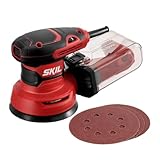
1. SKIL 5” Random Orbital Sander with Cyclonic Dust Box & 3pc Sanding Sheet - SR211601, Multicolor
Overview:
The SKIL 5” Random Orbital Sander is a high-performance tool designed for users seeking efficiency and precision in medium to large sanding tasks. Equipped with a robust 2.8-amp motor and a cyclonic dust collection system, it delivers consistent results across wood, metal, and painted surfaces.
What Makes It Stand Out:
Its standout feature is the X-flow cyclonic dust box, which visibly separates debris and empties easily, reducing mess. The 13,000 orbits per minute and variable speed control allow tailored performance for different materials. Its low-vibration design with a soft rubber grip ensures comfort during extended use.
Value for Money:
Priced competitively, it offers professional-grade features typically found in more expensive models. The included sanding sheets and durable build enhance its value, especially for DIYers and contractors doing frequent surface prep.
Strengths and Weaknesses:
Strengths: Powerful motor, excellent dust management, ergonomic grip, compact for tight spots. Weaknesses: Slightly heavier than some rivals, and the dust container may require frequent emptying on large jobs.
Bottom Line:
The SKIL SR211601 is a reliable, well-designed orbital sander that excels in dust control and user comfort—ideal for serious woodworking and refinishing projects. Highly recommended for both amateurs and pros.
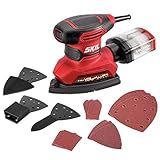
2. SKIL Corded Multi-Function Detail Sander with Micro-Filter Dust Box 3 Additional Attachments & 12pc Sanding Sheet- SR232301
Overview:
The SKIL SR232301 is a versatile corded detail sander built for precision work. With a 1.2-amp motor and four interchangeable attachments, it adapts easily to corners, edges, and curved surfaces, making it perfect for intricate sanding tasks.
What Makes It Stand Out:
Its 4-in-1 functionality sets it apart—switching between attachments is tool-free and quick. The micro-filtration system and vacuum port offer flexible dust control, while the hook-and-loop pad simplifies sandpaper changes.
Value for Money:
This sander offers exceptional versatility for its price. The inclusion of 12 sanding sheets and multiple attachments adds significant value, especially for users tackling diverse projects without wanting multiple tools.
Strengths and Weaknesses:
Strengths: Multi-attachment design, strong dust management, comfortable grip, low vibration. Weaknesses: Motor can struggle on dense materials, and attachments may feel less secure over time.
Bottom Line:
A highly adaptable and well-featured detail sander that delivers precision and convenience. Great for fine finishing and tight spaces—ideal for woodworkers and finish carpenters. Strong buy for the price.
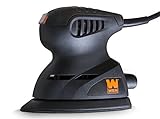
3. WEN 6301 Electric Detailing Palm Sander
Overview:
The WEN 6301 is a lightweight, budget-friendly palm sander tailored for small-scale sanding jobs. Its compact 3.75 x 5.5-inch pad and angled tip allow for precise control in corners and detailed woodworking areas.
What Makes It Stand Out:
Despite its low price, it packs a punch with a 13,500 OPM motor and Velcro base for quick paper changes. Weighing only two pounds, it reduces user fatigue, and the dust collection port helps keep workspaces cleaner.
Value for Money:
An excellent value for casual users and hobbyists. It outperforms many sanders in its price range and includes essential features without unnecessary frills.
Strengths and Weaknesses:
Strengths: Lightweight, affordable, efficient motor, simple design. Weaknesses: Basic dust collection, no speed control, and less effective on large surfaces.
Bottom Line:
The WEN 6301 is a no-nonsense, reliable sander perfect for light-duty tasks. Best suited for DIYers needing precision on a budget—highly recommended for small projects.
4. SKIL Corded Detail Sander, Includes 3pcs Sanding Paper and Dust Box - SR250801

Overview:
The SKIL SR250801 is a compact, entry-level detail sander powered by a 1-amp motor. It’s designed for light sanding tasks, offering consistent performance for edges, corners, and small surfaces.
What Makes It Stand Out:
It features a micro-filtration dust system and a 1-1/4” vacuum port for flexible dust management. The hook-and-loop sanding pad allows quick changes, and the sealed on/off switch prevents dust ingress for durability.
Value for Money:
An affordable option that includes sanding papers and a dust box. It’s a solid starter tool for homeowners and occasional users seeking reliability without spending much.
Strengths and Weaknesses:
Strengths: Simple operation, good dust control, comfortable grip, low vibration. Weaknesses: Underpowered for heavy tasks, dust box capacity is small, and cord placement could be better.
Bottom Line:
A dependable, no-frills detail sander ideal for light-duty home projects. While not for heavy use, it delivers solid performance for the price—recommended for beginners.
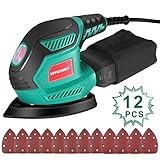
5. HYCHIKA Detail Sander, 14,000 OPM Compact Electric Sander Tool with 12 Pcs Sandpapers,Efficiency Dust Collection System,Suitable for Tight Spaces Sanding,Polishing,Removing Paint in Home Decoration
Overview:
The HYCHIKA Detail Sander is a compact, high-speed tool built for precision work in tight spaces. With a 1.6-amp motor and 14,000 OPM, it handles sanding, polishing, and paint removal efficiently.
What Makes It Stand Out:
It features an efficient 6-hole dust collection system with a removable dust bag, keeping work areas clean. The included 12 sanding sheets (coarse, medium, fine) and ergonomic rubber grip enhance usability and convenience.
Value for Money:
Excellent value with a generous accessory kit. Its performance rivals more expensive models, making it a top pick for DIYers and home renovators.
Strengths and Weaknesses:
Strengths: High RPM, great dust control, comfortable design, versatile sandpaper options. Weaknesses: Not ideal for drywall or masonry, and the cord could be longer.
Bottom Line:
The HYCHIKA sander delivers powerful, precise performance with superior dust management. Highly recommended for detailed home projects and light professional use. A standout in its class.
6. 16 PCS Contoured Profile Sanding Block Set - Hook and Loop Foam Material Hand Sander Block- Interchangeable Assorted Convex & Concave Shapes for Sander Wood Woodworking Furniture, Auto Paint

Overview:
This 16-piece contoured profile sanding block set is designed for precision sanding across complex shapes and tight spaces. Ideal for woodworking, auto paint finishing, and furniture restoration, the kit features soft foam blocks with hook-and-loop backing for quick sandpaper changes.
What Makes It Stand Out:
The standout feature is its variety of convex, concave, and angled profiles that conform to intricate surfaces like moldings and carvings. The high-density foam is both flexible and durable, preventing surface damage while maintaining control. The hook-and-loop system ensures secure sandpaper attachment and swift transitions between shapes.
Value for Money:
Priced competitively, this set offers exceptional value for DIYers and professionals alike. Having 16 interchangeable blocks eliminates the need for multiple tools, reducing long-term costs. It’s particularly cost-effective compared to specialty sanding tools for curved surfaces.
Strengths and Weaknesses:
Strengths: Diverse shape selection, gentle on delicate surfaces, easy to use without tools, ideal for corners and curves.
Weaknesses: Sandpaper not included in all listings, foam may compress over time with heavy pressure.
Bottom Line:
A highly versatile, user-friendly sanding solution for detailed work—this set is a must-have for anyone tackling intricate sanding tasks in woodworking or auto detailing.
7. POLIWELL Micro Sander Kit 3.5” x 1” Mini Sander for Small Projects, Detail Handle Sanding Tools + Sandpaper 80 120 180 240 400 Grit for DIY Crafts Wood Finishing Tight Narrow Spaces Polishing, 50 PCS

Overview:
The POLIWELL Micro Sander Kit is a compact, ergonomic hand tool tailored for precision work in tight spaces. Complete with 50 sanding sheets across five grits, it’s built for fine woodworking, model crafting, and detailed finishing tasks.
What Makes It Stand Out:
Its finger-grip design allows exceptional control, fitting naturally under the index finger for delicate maneuvering. The included premium aluminum oxide sandpapers range from coarse (80) to ultra-fine (400), enabling full project progression. Hook-and-loop attachment makes changes fast and tool-free.
Value for Money:
With 50 sheets and a durable PU foam base, this kit delivers strong value for small-project enthusiasts. The refillable system reduces waste, and the broad grit range supports multi-stage sanding without additional purchases.
Strengths and Weaknesses:
Strengths: Excellent ergonomics, ideal for corners and crevices, clearly labeled grits, lightweight and comfortable.
Weaknesses: Limited surface coverage for large areas, no storage case included.
Bottom Line:
Perfect for detail sanding in crafts and miniatures—this micro sander is a precise, efficient tool that punches above its weight for fine finishing work.
8. 2" & 3" Dual Action Mini Air Sander, Random Orbital Pneumatic Polisher Kit with Pads & Accessories, High Speed Air Angle Sander for Auto Body, Wood, Metal, and Furniture Polishing

Overview:
This dual-action pneumatic mini sander is engineered for professional-grade polishing and fine sanding on auto bodies, metal, wood, and furniture. Compatible with both 2" and 3" hook-and-loop pads, it offers versatility and precision in a compact air-powered design.
What Makes It Stand Out:
The built-in speed regulator allows precise control over sanding intensity, crucial for delicate finishes. Its random orbital motion prevents swirl marks, ensuring smooth, uniform results. The angled design improves access to confined areas, while the durable construction handles continuous use.
Value for Money:
Although priced higher than manual options, it’s a cost-effective investment for professionals needing consistent, high-speed performance. The included pads and accessories add immediate usability, reducing startup costs.
Strengths and Weaknesses:
Strengths: Adjustable speed, dual pad sizes, excellent finish quality, durable pneumatic build.
Weaknesses: Requires air compressor, not suitable for beginners without experience.
Bottom Line:
A powerful, precise tool for pros in auto or woodworking—ideal for achieving flawless, swirl-free finishes on detailed or large surfaces.
9. Hand Sanding Block Set of 16,Interchangeable Assorted Contoured Profile Sanding Pad Kit,Hook and Loop Abrasive Sanding Chassis for Sand Wood Furniture, Auto Paint and Crafts,Red

Overview:
This red 16-piece hand sanding block set delivers a wide array of contoured foam pads designed for sanding complex shapes in woodworking, auto repair, and crafting. Each block measures 3.8 inches and uses hook-and-loop technology for fast sandpaper changes.
What Makes It Stand Out:
The variety of shapes—including chamfered, concave, convex, and flat profiles—allows seamless adaptation to curved edges, grooves, and tight joints. Made from durable PU foam, the blocks balance flexibility and resilience, protecting delicate surfaces while maintaining pressure.
Value for Money:
Offering 16 specialized shapes at a modest price, this set provides excellent value. It replaces numerous single-purpose tools and is suitable for both hobbyists and trade professionals, enhancing efficiency without breaking the bank.
Strengths and Weaknesses:
Strengths: Broad shape selection, soft yet durable foam, secure hook-and-loop system, ideal for intricate work.
Weaknesses: Sandpaper typically sold separately, color may fade with prolonged use.
Bottom Line:
A versatile, well-built sanding solution for detailed surface work—highly recommended for woodworkers and auto detailers needing precision and adaptability.
10. Christmas & Birthday Gift for DIY Lovers – XIWEYLA 72PCS Sandpaper Set with Ergonomic Hand Sander, Micro & Detail Sander, 13 Grit Levels 80–3000, Color-Coded Sandpaper for Wood, Crafts & Furniture

Overview:
The XIWEYLA 72-piece sandpaper set is a comprehensive, color-coded sanding solution designed for DIYers and crafters. It includes 13 grits from 80 to 3000 and comes with an ergonomic mini hand sander for precision control.
What Makes It Stand Out:
Its standout feature is the 3-zone color-coding: yellow (coarse), red (medium), and black (fine to ultra-fine), simplifying grit selection and workflow. The hook-and-loop backing ensures secure, instant changes, while the premium aluminum oxide paper lasts longer.
Value for Money:
With 72 sheets and a full grit progression, this kit offers exceptional value. It supports everything from heavy material removal to mirror-like polishing, making it ideal for multi-stage projects across wood, resin, and metal.
Strengths and Weaknesses:
Strengths: Extensive grit range, intuitive color system, includes ergonomic block, versatile material compatibility.
Weaknesses: Block is basic—may lack advanced features for pros.
Bottom Line:
An outstanding all-in-one sanding kit for hobbyists and gift-givers—delivering professional results with unmatched convenience and clarity.
Understanding the Role of Sanding in Furniture Restoration
Sanding isn’t just about smoothing rough surfaces—it’s a multi-stage process that prepares wood for staining, painting, or sealing. In furniture restoration, the goal is often to preserve as much of the original material as possible while removing imperfections, old finishes, and stains. This means aggressive sanding is rarely the answer. Instead, precision and control are key.
A proper sanding workflow typically involves multiple grits, starting coarser to remove material and progressing to finer grits for a silky-smooth finish. The right sander should allow you to transition seamlessly between these stages, minimizing effort while maximizing results.
Types of Sanders Commonly Used in Furniture Work
Not every sander is suited for the nuanced demands of furniture restoration. Some are better for drywall or decks, but only a few deliver the finesse needed for detailed woodwork. Understanding the differences between common sander types will help you choose wisely.
Each type offers distinct motion patterns, pressure distribution, and surface contact, which directly affect the quality of your finish and the ease of use on curved or flat surfaces.
Orbital Sanders (Random Orbital and Palm Sanders)
Orbital sanders are among the most popular tools for furniture work due to their balanced performance. Random orbital sanders use a dual-action motion—spinning and oscillating—to prevent swirl marks, making them ideal for final smoothing. They’re especially effective on flat panels and large tabletops.
Palm sanders, a smaller cousin, offer lighter weight and better control for detailed areas. Their compact size makes them perfect for edges, corners, and smaller pieces where bulkier tools can’t reach.
Belt Sanders
Belt sanders are powerful tools designed for rapid material removal. While they’re excellent for leveling warped surfaces or stripping thick paint, they’re generally too aggressive for most furniture restoration tasks. Without careful handling, they can gouge wood in seconds.
However, smaller belt sanders with variable speed controls can be useful in early restoration phases—just approach with caution and always practice on scrap wood first.
Detail Sanders
When it comes to tight corners, intricate carvings, or curved moldings, detail sanders are indispensable. These tools typically feature a triangular sanding pad or a narrow spindle that can access spaces unreachable by larger sanders. They’re less about broad surface prep and more about precision.
While they may not replace a main sander, they’re a critical secondary tool for achieving complete, professional results.
Oscillating Multi-Tools with Sanding Attachments
Though not traditional sanders, oscillating multi-tools equipped with sanding attachments offer incredible versatility. Their back-and-forth motion is gentle yet effective for contoured surfaces, inside joints, and awkward angles.
They’re particularly useful when dealing with assembled furniture where disassembly isn’t an option. However, they require frequent pad changes and may lack the consistency of dedicated sanders.
Key Features to Consider When Choosing a Sander
Selecting the right sander goes beyond brand names or price tags. It’s about matching the tool’s capabilities to the demands of your restoration projects. From ergonomics to dust extraction, certain features can significantly enhance your workflow and final outcome.
Variable Speed Control
Wood types and finishes respond differently to sanding. Softwoods like pine can easily be damaged by high-speed sanding, while hardwoods may require more aggression. A sander with variable speed control allows you to match the tool’s RPM to the material and grit stage.
This feature is especially valuable when transitioning from coarse to fine sanding or when working on delicate veneers.
Dust Collection System
One of the biggest challenges in furniture restoration is managing sawdust. Not only is it a health hazard, but it can also interfere with your visibility and finish quality. A sander with an effective dust collection system—whether a built-in vacuum port or a bag—keeps your workspace cleaner and your surfaces clearer.
Look for models with sealed housings and efficient suction that minimize dust escape.
Weight and Ergonomics
Furniture restoration often involves extended sanding sessions, sometimes in awkward positions. A heavy or poorly balanced sander can lead to fatigue, reduced control, and inconsistent results. Lightweight models with soft-grip handles and low vibration are ideal for maintaining comfort and precision.
Balance is just as important as weight—ensure the sander feels natural in your hand and doesn’t tip or wobble during use.
Pad Size and Compatibility
The size of the sanding pad affects both coverage and maneuverability. Larger pads cover more area quickly but may struggle with detail work. Smaller pads offer better control but require more passes.
Additionally, consider sandpaper compatibility. Tools that use standard, readily available sanding sheets are more cost-effective and convenient than those requiring proprietary attachments.
Swirl-Free Sanding Performance
Achieving a swirl-free finish is critical in furniture restoration. Swirl marks—circular scratches left by some sanders—can telegraph through stains and clear coats, ruining an otherwise perfect job.
Random orbital sanders are specifically designed to eliminate this issue thanks to their multi-directional motion. If swirls are a concern, prioritize tools engineered to prevent them.
Power Source: Corded vs. Cordless Sanders
Your workspace and mobility needs will heavily influence whether you choose a corded or cordless sander.
Corded Sanders
Corded models offer consistent power and don’t suffer from battery drain during long sessions. They’re ideal for workshop environments where outlets are accessible. Since furniture restoration often involves prolonged use, a corded sander can maintain peak performance without interruption.
However, cords can limit mobility and pose tripping hazards, especially in cluttered spaces.
Cordless Sanders
Cordless sanders provide freedom of movement and are perfect for on-site restorations or projects far from power sources. Modern lithium-ion batteries offer impressive runtime and quick recharge times.
Just be mindful of battery life during intensive jobs—having a spare battery on hand is a smart move. Also, cordless models may be slightly heavier due to the battery pack, affecting balance.
Sandpaper Grits and Material Compatibility
Choosing the right grit sequence is as important as the sander itself. Most furniture projects follow a progression: start with 80–120 grit to remove old finishes or deep scratches, then move to 150–180 for smoothing, and finish with 220–320 for a glass-like surface.
Some sanders work better with certain backings (hook-and-loop vs. adhesive), so ensure your preferred sandpaper type is compatible. Also, consider using different sandpaper materials—aluminum oxide for general use, silicon carbide for finishes or wet sanding.
Noise and Vibration Levels
Prolonged exposure to loud tools and excessive vibration can lead to hand fatigue and long-term discomfort. Look for sanders designed with vibration-dampening features and quieter motors, especially if you’re tackling large or multi-day projects.
Lower noise levels also make it easier to work in shared spaces without disturbing others.
Budget vs. Long-Term Value
While it’s tempting to go for the cheapest option, furniture restoration demands reliability and precision. Investing in a higher-quality sander often pays off in durability, performance, and reduced rework.
That said, you don’t need the most expensive model—focus on value. A mid-range sander with solid build quality, good reviews, and essential features will serve most restorers well.
How to Match the Sander to Your Project Type
Not all furniture is the same. An old oak chair requires different handling than a veneered mid-century cabinet. Consider the wood type, condition, and level of restoration needed.
For heavily damaged pieces, a combination of tools—like a belt sander for initial leveling and an orbital for finishing—may be necessary. For delicate antiques, stick to low-speed, fine-grit sanding with lightweight, precise tools.
Maintenance Tips for Long-Lasting Performance
Like any power tool, sanders require regular maintenance to perform at their best. Clean the dust collection system after every use to maintain suction. Check the sanding pad for wear or debris buildup, and replace it when it loses grip or becomes uneven.
For orbital sanders, inspect the bearings periodically. A gritty or rough motion often indicates internal wear. Store your sander in a dry place, and always remove the battery from cordless models when not in use for extended periods.
Safety Practices When Sanding Furniture
Safety should never take a backseat. Always wear a dust mask or respirator rated for fine wood particles. Safety glasses protect your eyes from flying debris, and hearing protection is advisable for prolonged use.
Work in a well-ventilated area, especially when sanding painted or varnished surfaces that may release harmful compounds. Never sand near open flames—wood dust is highly flammable.
Integrating Sanders with Other Restoration Tools
A sander is just one part of the restoration ecosystem. Pair it with scrapers, chemical strippers, and brushes for optimal prep work. After sanding, use tack cloths to remove residual dust before applying any finish.
Think of your sander as the bridge between stripping and finishing—its performance directly impacts the quality of your final coat.
Common Sanding Mistakes to Avoid
Even experienced restorers make sanding errors. One of the most common is skipping grits—jumping from 100 to 220, for example, won’t save time and can leave deep scratches. Always progress logically through the grit range.
Another mistake is applying too much pressure. Let the sander do the work. Excessive force can create uneven surfaces and wear out the tool prematurely.
Frequently Asked Questions
What type of sander is best for delicate furniture?
A random orbital or palm sander is typically best for delicate furniture due to their controlled motion and reduced risk of gouging. Detail sanders are also excellent for intricate areas.
Can I use a belt sander on antique furniture?
Only with extreme caution. Belt sanders are aggressive and can remove too much material quickly. They may be suitable for initial leveling on sturdy pieces but should be avoided on veneers or thin wood.
How do I prevent swirl marks when sanding?
Use a random orbital sander, which combines rotation and oscillation to eliminate circular patterns. Always sand with the grain in your final passes and avoid lingering in one spot.
Is dust collection really necessary?
Yes. Effective dust collection improves visibility, reduces health risks, and prevents dust from embedding into finishes. It also keeps your workspace cleaner and more professional.
Should I sand by hand or use a machine?
For large, flat surfaces, a sander saves time and ensures consistency. Hand sanding is better for tight corners or when you need maximum control. A combination of both often yields the best results.
What grit should I start with on old furniture?
Begin with 80–120 grit to strip old finishes and remove imperfections, then progressively move to finer grits like 150, 180, and 220 for smoothing and finishing.
Can I use a sander on veneer?
Yes, but gently. Use a low-speed orbital sander with fine grit (150 or higher) and minimal pressure. Hand sanding is often safer for very thin veneers.
How often should I change sandpaper?
Change sandpaper when it stops cutting effectively or becomes clogged with dust. Worn paper reduces efficiency and can cause uneven sanding.
Do cordless sanders have enough power for furniture?
Modern cordless sanders are powerful enough for most furniture tasks. Look for models with at least 20V batteries and good runtime for best results.
How do I clean and maintain my sander?
After each use, empty the dust bag or canister and wipe down the housing. Clean the sandpaper pad and check for debris. Periodically inspect moving parts and replace worn components as needed.
See Also
- 10 Essential Sanders for Furniture Restoration in 2026
- 10 Best Sanders for Fine Furniture Finishing This Year
- The 10 Best Sanders for Furniture Refinishing This Year
- 10 Affordable Sanders That Don’t Sacrifice Quality in 2026
- 10 Best Budget Sanders Under $70 for Home Use