Table of Contents
When precision meets power, magic happens in the hands of a skilled craftsperson. Whether you’re sculpting intricate woodwork, etching fine patterns into glass, or perfecting a model-making project, the right rotary tool can transform your creative process from frustrating to flawless. Rotary tools have come a long way from their industrial roots—today’s versions are compact, versatile, and engineered for surgical accuracy. For artists, hobbyists, and craftspeople who demand control in tight spaces and on delicate materials, choosing the best rotary tool for fine detailing isn’t just about convenience—it’s about achieving results that reflect your skill and vision.
But with so many options flooding the market—each boasting variable speeds, interchangeable bits, and ergonomic designs—it’s easy to get lost in the noise. Not all rotary tools are created equal, and what works for a jeweler might not suit a wood carver. That’s why understanding the core features, technical specifications, and real-world applications becomes essential before making a purchase. In this comprehensive guide, we’ll break down the key considerations that separate a high-performing fine-detail rotary tool from the rest, helping you make an informed decision that aligns with your creative needs.
Top 10 Rotary Tools For Fine Detailing
Detailed Product Reviews
1. HARDELL Mini Cordless Rotary Tool, 5-Speed and USB Charging Rotary Tool Kit with 69 Accessories, Multi-Purpose 3.7V Power Rotary Tool for Sanding, Polishing, Drilling, Etching, Engraving, DIY Crafts
 Tool, 5-Speed and USB Charging Rotary Tool Kit with 69 Accessories, Multi-Purpose 3.7V Power Rotary Tool for Sanding, Polishing, Drilling, Etching, Engraving, DIY Crafts](https://m.media-amazon.com/images/I/51sdu+TDfLL._SL160_.jpg)
Overview:
The HARDELL Mini Cordless Rotary Tool is a compact, rechargeable power tool designed for precision DIY tasks. With 69 included accessories, it caters to sanding, polishing, drilling, engraving, and crafting, especially resin and fine-detail work. Its lightweight, pen-like design makes it ideal for users seeking control and portability.
What Makes It Stand Out:
The 5-speed settings (5,000 to 18,000 RPM) offer excellent versatility, allowing users to match speed to material and task. The built-in LED light reduces shadows in tight spaces, a standout feature for detailed work. USB charging and a 200-minute runtime enhance convenience, while the quiet operation improves user experience.
Value for Money:
At a competitive price, this kit delivers exceptional value. The 69-piece set rivals more expensive brands, and the rechargeable battery eliminates the need for constant replacements. It’s perfect for hobbyists and light-duty users.
Strengths and Weaknesses:
Strengths: 5-speed control, long battery life, LED lighting, lightweight design, extensive accessory set.
Weaknesses: Not suitable for heavy-duty tasks; battery life may degrade over time.
Bottom Line:
An excellent, affordable rotary tool for hobbyists and DIYers needing precision and portability. Highly recommended for light to moderate crafting tasks.
2. HARDELL Mini Cordless Rotary Tool, 5-Speed 3.7V Rechargeable Rotary Tool Kit with 69 Accessories, USB Charging Multi-Purpose DIY Tool for Sanding, Polishing, Drilling, Engraving(Pink 69pcs)

Overview:
This pink version of the HARDELL rotary tool is functionally identical to Product 1, offering a stylish twist on a capable cordless rotary kit. Aimed at hobbyists and crafters, it supports sanding, engraving, polishing, and more with a 69-piece accessory set and USB-rechargeable power.
What Makes It Stand Out:
The 5-speed control (5,000–18,000 RPM) allows precise adjustments for delicate tasks. Its pen-like, lightweight design ensures comfort and control. The LED light illuminates work areas, a crucial upgrade for accuracy in shadow-prone zones like resin molds.
Value for Money:
Priced affordably, this kit includes everything a beginner or intermediate crafter needs. The reusable accessories and long runtime (over 200 minutes) reduce long-term costs, making it a smart investment.
Strengths and Weaknesses:
Strengths: 5-speed versatility, USB charging, ergonomic design, LED illumination, broad accessory range.
Weaknesses: Not for heavy-duty use; pink finish may not appeal to all; same performance limitations as standard model.
Bottom Line:
A well-rounded, stylish rotary tool kit that delivers solid performance for crafting and light-duty tasks. Great value for DIY enthusiasts.
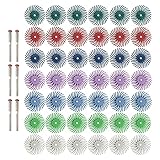
3. 42pcs 1 Inch Radial Bristle Disc Kit with 3mm Shank for Rotary Tools,Detail Abrasive Wheel for Jewelry Wood Metal Polishing, Bristle Wheel with Grit 80-2500
Overview:
This 48-piece bristle disc kit (42 discs + 6 shanks) is designed for fine polishing, deburring, and cleaning in tight or irregular spaces. With a 1-inch diameter and 3mm shank, these radial brushes fit most rotary tools and are ideal for detailed work on jewelry, wood, and metal.
What Makes It Stand Out:
The comprehensive grit range (80 to 2500) allows progressive finishing—from aggressive material removal to ultra-smooth polishing. The bristles offer flexibility, minimizing surface scratches while maintaining effectiveness on contours and edges.
Value for Money:
Offering 42 bristle discs across seven grits, this kit provides excellent value. The inclusion of extra shanks enhances usability. It’s a cost-effective solution for artisans needing consistent, scratch-free finishes.
Strengths and Weaknesses:
Strengths: Wide grit selection, effective on complex shapes, scratch-free results, durable bristles.
Weaknesses: Limited to small areas; not for heavy grinding; shank durability may vary.
Bottom Line:
An essential accessory set for detail-oriented users in jewelry, woodworking, or metalcraft. Highly recommended for achieving professional-quality finishes.
4. Stone Carving Set Diamond Burr Bits Compatible with Dremel, 50PCS Polishing Kits Rotary Tools Accessories with 1/8’ Shank For Carving, Engraving, Grinding, Stone, Rocks, Jewelry, Glass, Ceramics

Overview:
This 50-piece diamond burr bit set is engineered for hard materials like stone, glass, ceramics, and jewelry. With 1/8-inch (3mm) shanks, the bits are compatible with most rotary tools, making them a versatile addition for carvers and artisans.
What Makes It Stand Out:
The diamond-coated tips offer superior hardness and wear resistance, enabling precise carving and grinding on ultra-tough surfaces. The variety of shapes and sizes supports intricate detailing, from deep engraving to fine polishing.
Value for Money:
At 50 pieces, this kit offers exceptional range and durability. Diamond bits typically command high prices, so this affordable set delivers professional-grade tools at a fraction of the cost.
Strengths and Weaknesses:
Strengths: High durability, excellent for hard materials, wide shape variety, universal compatibility.
Weaknesses: Not suitable for soft materials like wood; may require frequent cleaning to maintain efficiency.
Bottom Line:
A must-have for stone carvers and jewelers. Offers reliable, long-lasting performance and excellent value for precision work on hard surfaces.
5. WORKPRO 276-piece Rotary Tool Accessories Kit Universal Fitment for Easy Cutting, Carving and Polishing

Overview:
The WORKPRO 276-piece accessory kit is a comprehensive solution for rotary tool users. It includes cutting, grinding, sanding, polishing, and engraving tools, all with 1/8-inch shanks for universal fit across major brands.
What Makes It Stand Out:
With 276 pieces, this is one of the most extensive kits available. It covers nearly every rotary tool application—from metalworking to woodworking—and includes a durable storage case for organization and portability.
Value for Money:
Exceptional value given the sheer number and variety of accessories. It eliminates the need for multiple small purchases and suits both beginners and experienced users across diverse materials.
Strengths and Weaknesses:
Strengths: Huge selection, universal compatibility, organized case, broad material compatibility.
Weaknesses: Some bits may lack industrial-grade durability; quality varies across types.
Bottom Line:
A top-tier, all-in-one accessory kit that delivers unmatched versatility and convenience. Highly recommended for DIYers and professionals needing a complete rotary tool solution.
6. Rocaris 40 Pack 1 inch Abrasive Wheel Buffing Polishing Wheel Set for Rotary Tool - with 1/8" Shank (25mm)

Overview:
The Rocaris 40-pack abrasive wheel set is a budget-friendly accessory kit designed for rotary tools, offering a range of grits for polishing, deburring, and surface refinement. With 1-inch diameter wheels and 1/8-inch shanks, these buffing wheels are compatible with most rotary tools and drills, making them ideal for precision work on metals, jewelry, and non-metallic surfaces.
What Makes It Stand Out:
This set includes four grit levels—120, 180, 320, and 400—with 10 pieces each, enabling progressive polishing from coarse shaping to fine finishing. The color-coded system (brown, green, red, black) simplifies grit identification, improving workflow efficiency. Their small size allows access to tight spaces, perfect for rust removal, paint prep, and fine detailing.
Value for Money:
At 40 pieces, the kit offers solid value for hobbyists and DIYers. While not long-lasting under heavy use—typical of consumable abrasives—the variety and low cost per wheel make it a smart buy for intermittent projects.
Strengths and Weaknesses:
Strengths: Wide grit range, color-coded for easy use, compatible with most rotary tools, excellent for small-area polishing.
Weaknesses: Wheels wear relatively quickly under pressure; not ideal for heavy-duty industrial use.
Bottom Line:
A practical, affordable polishing solution for home users and crafters needing versatile, small-diameter abrasive wheels.
7. Gabujau Cordless Rotary Tool Kit Mini, 7.4V 12-Speed Power USB Rechargeable, for 3D Printer Sanding, Jewelry Making, Wood Carving, Polishing, Drilling DIY Crafts with 51 Accessories

Overview:
The Gabujau Cordless Rotary Tool Kit is a versatile, rechargeable mini tool designed for precision work in crafting, jewelry making, and small repairs. Powered by a 7.4V battery with USB-C charging, it offers cordless convenience and comes with 51 accessories for a wide range of applications.
What Makes It Stand Out:
Its 12-speed adjustable RPM (5,000–25,000) allows precise control across tasks—from delicate polishing to aggressive grinding. The USB-C charging is a modern touch, enabling on-the-go power. The digital power display lets users monitor battery life, enhancing usability.
Value for Money:
Priced competitively, the inclusion of 51 quality accessories—cutting wheels, sanding bands, drills—adds tremendous value. It outshines many corded kits by eliminating cable clutter without sacrificing performance.
Strengths and Weaknesses:
Strengths: USB-C charging, long runtime (1 hour), ergonomic rubber grip, comprehensive accessory set, precise speed control.
Weaknesses: Requires careful tightening of bits; battery life may fall short for extended professional use.
Bottom Line:
An excellent all-in-one cordless rotary tool for DIYers and hobbyists seeking portability, power, and versatility.
8. Fanttik F2 Master Mini Cordless Rotary Tool Kit, NeoPulse Motor, 5 Speed, 25000 RPM, Revostor Hub, 35 Accessories, Engraving Pen, for 3D Printer Sanding, Polishing, Drilling, Carving, DIY Crafts

Overview:
The Fanttik F2 Master is a premium cordless rotary tool engineered for precision tasks. Featuring a brushless hollow cup motor and a magnetic Revostor Hub, it combines power, quiet operation, and smart organization for artists, makers, and detail-oriented users.
What Makes It Stand Out:
The brushless motor reduces noise by 30% and generates less heat, ensuring durability. With 25,000 RPM and 5 speed settings, it handles engraving, sanding, and polishing with ease. The Revostor Hub magnetically stores 35 included 3/32" accessories, keeping them organized and accessible.
Value for Money:
Although priced higher than average, its build quality, aluminum case, and innovative storage justify the cost. The long-term efficiency of a brushless motor enhances ROI over time.
Strengths and Weaknesses:
Strengths: Ultra-quiet operation, magnetic accessory hub, lightweight (0.22 lb), durable aluminum case, LED speed indicator.
Weaknesses: Accessories are 3/32" only—may require adapters; fewer bits than some kits.
Bottom Line:
A top-tier cordless rotary tool offering professional performance, sleek design, and unmatched organization for serious hobbyists.
9. Buffing Wheel 100 Pack Abrasive Polishing Deburring Wheels Metal Polishing Kit Rotary Tool Accessories for Metal Polishing, Rusting Cleaning, Paint Removal, and Other Fine Detail Work

Overview:
The Buffing Wheel 100-pack kit is a comprehensive set of abrasive polishing wheels designed for rotary tools. With five grit levels and pre-attached mandrels, it’s tailored for detailed metalwork, rust removal, and surface prep.
What Makes It Stand Out:
Each of the 100 wheels comes with its own 1/8" mandrel—no need to swap shafts, saving time and frustration. The grit range (120 to 600) supports full-stage finishing, from aggressive deburring to mirror-like polishing.
Value for Money:
Offering 100 pre-mounted wheels, this kit delivers exceptional value. High quantity ensures long-term use across multiple projects, making it ideal for frequent users and workshops.
Strengths and Weaknesses:
Strengths: Pre-mounted mandrels, wide grit selection, broad application range, excellent quantity.
Weaknesses: Wheels are consumable and wear with heavy use; higher grits may lack durability.
Bottom Line:
A must-have accessory pack for anyone needing a vast supply of ready-to-use, multi-grit polishing wheels.
10. Professional Rotary Deburring Set Functional Rotary Cutting Tool Set With 10 Sturdy Cutter For Fine Detailing

Overview:
This Professional Rotary Deburring Set is a precision hand tool designed for fine cutting, deburring, and detailed shaping. It includes 10 durable high-speed steel cutters and an ergonomic handle, catering to model makers, technicians, and artisans.
What Makes It Stand Out:
The tool features a secure locking mechanism and quick cutter replacement system, enhancing safety and efficiency. The ergonomic handle reduces hand fatigue during prolonged use, ideal for intricate tasks like model assembly or metal trimming.
Value for Money:
Affordable and functional, this set offers solid performance for its price. The inclusion of 10 sturdy cutters adds longevity, especially for users needing consistent precision without power tools.
Strengths and Weaknesses:
Strengths: Comfortable grip, secure cutter lock, easy blade changes, versatile for fine detailing.
Weaknesses: Manual operation limits speed; not suitable for large-scale or heavy-duty deburring.
Bottom Line:
A reliable, hand-powered deburring solution perfect for detail work in modeling, crafting, and light industrial tasks.
Understanding Rotary Tools and Their Role in Detail Work
Rotary tools are handheld power tools that use high-speed rotating accessories to perform a wide range of tasks, including cutting, grinding, sanding, polishing, and engraving. While they can handle heavy-duty jobs, their true brilliance shines in precision and detail-oriented applications. In the realm of fine detailing, these tools act as an extension of your hand, allowing you to work on small-scale projects with accuracy and control.
From restoring antique furniture to crafting custom electronics enclosures, rotary tools offer unmatched versatility. Their compact design enables access to tight corners, while variable speed controls let users adapt to different materials and techniques. What sets them apart in detail work is their ability to accept a vast array of accessories—each designed for a specific task—making them indispensable in workshops where finesse is non-negotiable.
Key Features to Look for in a Fine Detail Rotary Tool
Choosing the right rotary tool isn’t just about brand names or price tags—it’s about the features that directly impact performance, comfort, and long-term usability. When evaluating tools for intricate work, focus on attributes that enhance precision, control, and durability. Below are the most critical features to consider.
Variable Speed Control
One of the most important features for fine detailing is variable speed control. Different materials require different RPMs (revolutions per minute) to avoid burning, chipping, or overheating. For example, softer materials like plastic or balsa wood benefit from lower speeds, while harder substances like metal or stone may need higher RPMs. A tool with a broad speed range and smooth adjustment lets you fine-tune performance for each application.
Motor Power and Consistency
While high RPMs are impressive on paper, real-world performance depends on motor consistency under load. A powerful motor maintains speed even when pressure is applied, preventing stalling during detailed cuts or grinding. Look for tools with brushless motors or high-torque designs, especially if you plan to work with harder materials or for extended sessions.
Ergonomic Design and Weight
Fine detailing often involves long periods of concentrated work. A lightweight, well-balanced tool reduces hand fatigue and improves control. Features like rubberized grips, low vibration, and a compact body diameter enhance comfort and precision. Consider how the tool feels in your hand—especially during prolonged use—since ergonomics directly influence accuracy.
Shaft Lock and Bit Changing Mechanism
Quick and secure bit changes are crucial when switching between tasks. A tool with a reliable shaft lock allows for one-handed bit changes, saving time and reducing frustration. Some models use collets that require a wrench, while others feature keyless systems. Evaluate how easy and safe the bit-changing process is, especially when using small, delicate bits.
Speed Range and Precision
For fine detailing, a wide speed range—typically from 5,000 to 35,000 RPM or higher—provides the flexibility needed to handle various materials. More importantly, the ability to make small, incremental adjustments ensures you’re not overshooting the ideal speed. Digital speed displays or dial controls with fine gradations can significantly improve precision.
Types of Rotary Tool Accessories for Detailing
The true potential of a rotary tool is unlocked through its accessories. For fine detailing, the choice of bit or attachment can make or break the outcome. Understanding the types of accessories available and their applications helps you get the most out of your tool.
Cutting and Grinding Bits
Ideal for shaping and removing material, these bits come in various shapes—cylindrical, cone, ball—and are made from materials like tungsten carbide or diamond-coated steel. They’re perfect for fine cuts in metal, ceramic, or hardened plastic.
Sanding and Polishing Attachments
For smoothing edges or achieving a mirror finish, sanding drums, flap wheels, and polishing buffs are essential. Micro-sanding accessories allow for controlled material removal in tight spaces, making them valuable for woodworking and model detailing.
Engraving and Etching Points
These fine-tipped bits are designed for creating detailed lines on glass, metal, or stone. Carbide or diamond-tipped engraving points offer excellent wear resistance and precision, making them ideal for personalized crafts or intricate designs.
Power Source: Corded vs. Cordless
The choice between corded and cordless rotary tools depends on your workflow and project requirements.
Advantages of Corded Models
Corded tools provide consistent power without the risk of battery depletion. They’re ideal for long sessions and tasks that demand uninterrupted performance. Since they don’t house a battery, corded models tend to be lighter and more compact.
Benefits of Cordless Options
Cordless rotary tools offer unmatched portability and freedom of movement. Powered by rechargeable lithium-ion batteries, they’re perfect for on-the-go projects or workspaces where outlets are limited. However, battery life and power output can vary, so consider runtime and recharge time when choosing a cordless model.
Compatibility with Accessories and Collet Sizes
Rotary tools use collets—small clamping mechanisms—to hold bits securely. Common collet sizes include 1/8 inch and 3/32 inch. Some tools support multiple collet sizes, increasing their versatility. Ensure your chosen tool is compatible with a wide range of accessories, especially if you already own bits from another brand or plan to expand your collection.
Universal compatibility is a major advantage, as it allows you to use third-party accessories, which are often more affordable and diverse. Look for tools that accept standard shank sizes and offer easy collet changes.
Speed Control Interfaces: Dial vs. Trigger
How you control the tool’s speed impacts your ability to work with precision.
Dial Speed Control
A dial allows you to preset the RPM before starting. This is ideal when you need consistent speed throughout a task. It provides fine adjustments and is often found on higher-end models designed for detailed work.
Variable-Speed Trigger
A trigger-controlled tool adjusts speed based on how much pressure you apply. This offers intuitive control, similar to a power drill, and is great for users who prefer real-time responsiveness. However, it may lack the fine-tuned accuracy of a dial system.
Heat Dissipation and Overload Protection
During extended use, rotary tools can generate significant heat, especially when working on tough materials. Overheating can damage the motor and reduce tool life. Look for models with effective heat dissipation—such as ventilation slots or heat-resistant housings—and built-in overload protection, which automatically shuts the tool off if it gets too hot.
Noise and Vibration Levels
High-speed rotation inevitably produces vibration and noise. Excessive vibration can lead to hand fatigue and reduced control, while loud operation can be disruptive. Tools with vibration-dampening technology and quieter motors enhance comfort and usability, particularly during long detailing sessions.
Lighting and Visibility Features
Many modern rotary tools come equipped with LED lights near the nose cap. These illuminate the work area, making it easier to see fine details, especially in poorly lit environments. This feature is invaluable when working on intricate carvings or small electronic repairs.
Durability and Build Quality
A high-quality rotary tool should withstand regular use without compromising performance. Look for tools made with durable plastics, metal housings, or reinforced internal components. Stainless steel shafts and sealed bearings contribute to longevity and reliability.
Brand Reputation and Warranty
Trusted brands often back their products with strong warranties and accessible customer support. Research user reviews and professional feedback to gauge reliability and after-sales service. A longer warranty period usually indicates the manufacturer’s confidence in the product’s durability.
Safety Features and Best Practices
Even the most precise tool requires safe handling. Always wear safety goggles and use clamps when possible to keep your hands free. Choose tools with safety switches that prevent accidental starts. Additionally, ensure bits are securely tightened and inspect them regularly for wear or damage.
Maintenance Tips for Longevity
To keep your rotary tool performing at its best, clean it regularly and store it in a dry place. Remove dust and debris from vents and collets, and lubricate moving parts as recommended by the manufacturer. Replace worn bits promptly to avoid strain on the motor.
Frequently Asked Questions
What is the ideal RPM range for fine detailing?
For fine detailing, a speed range of 5,000 to 35,000 RPM offers the best balance. Lower speeds provide better control for delicate materials, while higher speeds are useful for cutting or engraving harder surfaces.
Can I use a rotary tool for engraving glass?
Yes, rotary tools are excellent for glass engraving when used with diamond-tipped or carbide bits. Always work at a low speed and use water for cooling to prevent cracking.
How often should I replace rotary tool bits?
Replace bits when they show signs of dullness, chipping, or wobbling. Worn bits reduce precision and can damage your workpiece or tool.
Are rotary tools safe for beginners?
Yes, rotary tools are beginner-friendly when used with proper safety gear and gradually increasing speed. Start with low RPMs and practice on scrap material.
Can I use Dremel bits in other rotary tools?
Only if the collet size and shank diameter are compatible. Most Dremel bits have a 1/8-inch shank, which is widely standardized across brands.
What’s the difference between a rotary tool and a die grinder?
Die grinders are larger, more powerful, and typically used in industrial applications. Rotary tools are smaller, lighter, and designed for precision work.
Do I need variable speed for all projects?
Not all, but variable speed greatly enhances versatility. It allows you to adapt to different materials and tasks, improving results and tool longevity.
How do I reduce vibration when using a rotary tool?
Ensure bits are balanced and properly secured. Use tools with vibration-dampening grips and maintain a firm, relaxed grip during use.
Can I use a rotary tool for jewelry making?
Absolutely. Rotary tools are ideal for jewelry work, including polishing, engraving, and stone setting, especially with fine-tipped accessories.
How do I clean my rotary tool after use?
Unplug the tool, then use a soft brush or compressed air to remove dust from vents and collets. Wipe the housing with a dry cloth and store in a protective case.
See Also
- 10 Best Rotary Tools for Engraving Metal This Year
- 10 Best Rotary Tools for Jewelry Making in 2026
- 10 Essential Rotary Tools for Craft Makers in 2026
- 10 Essential Rotary Tools Every DIYer Needs in 2026
- 10 Game-Changing Rotary Tools for Precision Craftwork in 2026