Table of Contents
There’s something deeply satisfying about watching rough, weathered lumber transform into glass-smooth boards under the hands of a skilled woodworker. That transformation doesn’t happen by accident—it’s the magic of a quality planer working in concert with experience and technique. Whether you’re dimensioning stock for a heirloom furniture piece or simply cleaning up reclaimed barn wood for a rustic project, the right planer can mean the difference between frustration and flawless results.
But here’s the challenge: walk into any woodworking forum or tool retailer, and you’ll be bombarded with specifications that read like rocket science. Cutterheads, feed rates, snipe reduction, helical vs. straight knives—it’s enough to make your head spin. This year, planer technology has evolved dramatically, with innovations that blur the lines between industrial machines and benchtop convenience. Understanding what truly matters for your specific workflow isn’t just helpful; it’s essential for making an investment that pays dividends for years to come.
Top 10 Planers For Woodworkers
Detailed Product Reviews
1. WEN 6530 6-Amp Electric Hand Planer, 3-1/4-Inch
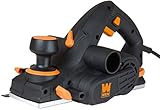
Overview: The WEN 6530 is an entry-level electric hand planer designed for DIY enthusiasts and homeowners tackling occasional woodworking projects. This lightweight tool delivers impressive cutting speed with its 6-amp motor, making it suitable for smoothing rough lumber, trimming doors, and creating rabbets. Weighing just six pounds, it reduces user fatigue during extended use while providing enough power for most household tasks.
What Makes It Stand Out: The planer’s 34,000 cuts per minute rate is exceptional for its class, delivering surprisingly smooth finishes. Sixteen positive stops offer precise depth control from 0 to 1/8 inches, while the included 5/16-inch rabbeting guide enables cuts up to one inch wide. The comprehensive package includes a dust bag, kickstand, and parallel fence bracket—accessories often sold separately with competitors.
Value for Money: Priced competitively in the budget-friendly segment, the WEN 6530 punches above its weight. The two-year warranty provides peace of mind rarely found at this price point. While professional contractors may require more robust tools, hobbyists get remarkable capability without investing in premium brands. The included accessories alone represent significant savings.
Strengths and Weaknesses: Strengths include its lightweight design, impressive cutting speed, complete accessory kit, and generous warranty. The 6-amp motor handles most softwoods and hardwoods adequately. Weaknesses involve limited maximum depth (1/8 inch), potentially inconsistent dust collection, and build quality that may not withstand daily professional use. The plastic components feel less durable than metal alternatives.
Bottom Line: For DIYers seeking an affordable, capable electric planer for occasional projects, the WEN 6530 delivers excellent performance and value. It’s an ideal starter tool that handles most home woodworking tasks competently.
2. JORGENSEN 3.5" Mini Wood Planer - Mini Hand Planer for Woodworking, Block Plane, Small Hand Plane for Trimming, Wood Planing, Craft, Professional Ductile Iron Body, Adjustable Cutting Depth

Overview: The JORGENSEN mini block plane is a precision hand tool engineered for detail-oriented woodworking tasks. Crafted for both professionals and discerning hobbyists, this compact plane excels at trimming, deburring, and fine-tuning wood surfaces. Its 3.5-inch size provides exceptional control for intricate work where larger planes prove unwieldy, making it indispensable for craft projects and furniture restoration.
What Makes It Stand Out: Professional-grade O1 tool steel blade sets this plane apart, offering superior edge retention and cutting efficiency compared to standard carbon steel. The ductile iron body undergoes drop-testing for durability, while zinc alloy and stainless steel components ensure longevity. The meticulously polished flat bottom guarantees smooth operation across all wood types, delivering results that rival premium hand planes costing twice as much.
Value for Money: While priced higher than mass-market block planes, the JORGENSEN justifies its cost through exceptional materials and craftsmanship. The reusable, resharpenable blade provides decades of service, eliminating replacement costs. For woodworkers prioritizing precision and durability over speed, this represents a sound long-term investment that improves with age and proper maintenance.
Strengths and Weaknesses: Strengths include outstanding blade quality, robust construction, precise depth adjustment, and excellent ergonomics for detailed work. The plane performs beautifully on end grain and tricky grain patterns. Weaknesses include a learning curve for beginners unfamiliar with hand plane tuning, limited width for large surface planing, and requiring manual effort that electric tools eliminate. The small size can be tiring for extended heavy cuts.
Bottom Line: The JORGENSEN mini plane is an excellent choice for woodworkers seeking precision and craftsmanship. It rewards proper technique with exceptional results, making it ideal for fine detail work and traditional woodworking enthusiasts.
3. WOODSTARTER Corded Electric Hand Planer, 7.7 AMP 15000 RPM Power Wood Planer with Edge Guide and Dust Bag, 3-1/4 Inch Planing Width, for Wood Chamfer DIY, Smooth Finish Carpentry

Overview: The WOODSTARTER electric hand planer targets serious DIYers and budding professionals seeking more power than entry-level models offer. Its 7.7-amp motor and 15,000 RPM provide substantial cutting capability for demanding projects. The tool handles chamfering, rabbeting, and surface planing with equal proficiency, making it versatile for furniture making, remodeling, and fine carpentry work around the home.
What Makes It Stand Out: Twenty precision depth settings enable micro-adjustments up to 5/32 inches, offering finer control than most competitors. Three integrated chamfering grooves provide versatile edge profiling without additional accessories. The ergonomic handle with shock-absorbing system significantly reduces vibration fatigue, while the dust collection system maintains workspace cleanliness. These features typically appear only in premium-priced planers.
Value for Money: Positioned in the mid-range category, this planer delivers professional features at a DIY price point. The 7.7-amp motor rivals commercial-grade tools, while the included edge guide and dust bag add value. For woodworkers outgrowing entry-level equipment, it bridges the gap to professional tools without the premium cost, offering performance that justifies every dollar spent.
Strengths and Weaknesses: Strengths include powerful motor, exceptional depth control, ergonomic comfort, and versatile chamfering options. The tool handles hardwoods confidently and maintains consistent cuts. Weaknesses include being heavier than basic models, potential longevity questions due to lesser-known brand status, and the 15,000 RPM rating being less informative than cuts-per-minute specifications. The power cord may feel short for large workpieces.
Bottom Line: The WOODSTARTER planer excels for ambitious DIYers ready to elevate their woodworking. It combines power, precision, and comfort in a package that challenges established brands while delivering excellent results.
4. Woodworkers Project Planner and Log Book: Woodworking Projects Journal, Diary, Notebook, Chart, Logbook, Tracker, Record Book For DIY Plan & Gifts for Carpenters and Wood Workers To Organize & Thrive

Overview: This woodworking project planner serves as a dedicated organizational system for documenting projects from conception to completion. Designed for carpenters who prefer analog record-keeping, it provides structured templates for tracking measurements, materials, costs, and timelines. The log book format helps woodworkers maintain consistent records across multiple projects, creating a valuable reference library of techniques and solutions.
What Makes It Stand Out: Unlike generic notebooks, this specialized journal includes woodworking-specific templates for cut lists, material inventories, and finish schedules. The archival-quality paper prevents ink bleed and ensures longevity of records. Its portable size fits easily in workshop aprons or tool bags, while the durable cover withstands shop environment dust and moisture. The thoughtful layout encourages systematic planning habits that digital tools often fail to establish.
Value for Money: As an inexpensive organizational tool, this planner delivers significant value by preventing costly mistakes through better planning. It eliminates the need to reinvent project tracking methods for each build. For woodworkers who’ve struggled with scattered notes or forgotten project details, the time and material savings quickly offset the modest purchase price. It also makes an excellent, thoughtful gift for woodworkers of any skill level.
Strengths and Weaknesses: Strengths include specialized templates, durable construction, portability, and the cognitive benefits of handwriting project details. It requires no batteries or software updates. Weaknesses include the lack of listed features making specific quality assessment difficult, limited page count for prolific woodworkers, and no digital backup for critical project data. Those preferring apps may find it redundant.
Bottom Line: This planner is an excellent tool for woodworkers seeking to organize their craft systematically. It combines practicality with craftsmanship appreciation, making it valuable for hobbyists and professionals alike.
5. Drywall Chamfer Tool, Gypsum Board Chamferer, Plasterboard Fast Cutter, Plasterboard V Edger Chamfer, Hand Plane Gypsum Board Cutting Tool with 10 Blades for Woodworkers

Overview: This specialized drywall chamfer tool addresses the niche but essential task of creating clean, angled edges on gypsum board. Designed for drywall installers and woodworkers handling sheet goods, it functions as a hand plane specifically engineered for plasterboard. The tool creates both 45-degree bevels and flat cuts, enabling professional finishing of board edges for seamless joint taping and corner installation.
What Makes It Stand Out: The inclusion of ten replaceable stainless steel blades ensures extended use without immediate replacement purchases. Its dual-angle capability (45-degree bevel and flat cut) eliminates the need for multiple tools. The thickened aluminum alloy body provides durability while remaining lightweight enough for overhead work. This multi-functionality extends beyond drywall to density board, cork, and acoustic panels, broadening its utility across various sheet materials.
Value for Money: Extremely affordable for a specialized tool, it pays for itself by saving time on edge finishing tasks that would otherwise require sanding or knife work. The ten-blade supply represents significant long-term value, reducing ongoing costs. For professionals installing drywall regularly, the efficiency gains justify the purchase immediately. DIY renovators tackling single rooms also benefit from the professional results without professional service costs.
Strengths and Weaknesses: Strengths include sharp blade performance, ergonomic grip, multi-material versatility, and generous blade supply. It produces clean, consistent chamfers quickly. Weaknesses involve limited depth adjustment capability, potential blade fragility on dense materials, and being a single-purpose tool that sees infrequent use in general woodworking shops. The blades may dull quickly on abrasive materials like cement board.
Bottom Line: This chamfer tool is a smart addition for anyone regularly working with sheet goods. It excels at its specific purpose, delivering professional drywall edges with minimal effort and excellent value.
6. Drywall Cutting Tool, Plasterboard Angle Fast Cutter, Precise 45 60 Gypsum Board Chamferer With 10 Blades, Woodworking Hand Smoothing Planes, Perfect Angle Planers for Woodworkers(Orange)

Overview: This specialized drywall chamfering tool streamlines edge finishing for gypsum board installations. Designed for rapid 45° and 60° cuts, it creates clean corners for seamless joint taping and professional-grade finishes. The compact design allows easy maneuvering along board edges, making it practical for both professional contractors and serious DIY renovators tackling large-scale drywall projects.
What Makes It Stand Out: The dual-angle blade module sets this apart from standard utility knives, allowing quick switching between 45° and 60° chamfers without tool changes. The ergonomic ABS body and included ten blades provide exceptional value for high-volume drywall work. Unlike traditional planes, this tool is purpose-built for the unique demands of gypsum board, preventing the edge crumbling that ruins tape joints.
Value for Money: At its price point, this tool pays for itself on a single large drywall project by dramatically reducing chamfering time compared to manual sanding or knife work. It competes favorably with specialty drywall tools costing twice as much. The ten included blades represent months of active use, eliminating immediate replacement costs.
Strengths and Weaknesses: Strengths include rapid material removal, comfortable grip for extended use, and versatile angle options perfect for corner bead preparation. The ten-blade supply ensures longevity. Weaknesses: ABS plastic construction may not withstand heavy jobsite abuse, the tool is limited to edge chamfering only, and blade replacement requires careful handling. It’s unsuitable for fine woodworking or hardwoods.
Bottom Line: An excellent specialized tool for drywall contractors and serious DIY renovators. While not a substitute for traditional planes, it excels at its intended purpose and belongs in every drywall pro’s toolkit.
7. JORGENSEN NO.60-1/2 6-1/4" Wood Planer, Hand Planer for Woodworking, Low Angle Block Plane, Small Hand Plane for Trimming, Wood Planing, Craft - Professional Ductile Iron Body, Adjustable Mouth

Overview: The JORGENSEN NO.60-1/2 represents professional-grade craftsmanship in a compact block plane format. This 6-1/4" low-angle plane delivers exceptional performance for trimming, end-grain work, and detail finishing. Its ductile iron body and O1 tool steel blade place it firmly in the serious woodworker category, bridging the gap between budget imports and premium boutique tools.
What Makes It Stand Out: Premium O1 tool steel blade holds a razor edge significantly longer than standard blades, while the ductile iron body provides superior durability compared to standard cast iron. The adjustable mouth allows ultra-fine shavings for precision work. The precision machining ensures the sole is flat and the blade seats perfectly, reducing setup time and frustration.
Value for Money: Positioned between budget imports and premium boutique planes, this tool offers 90% of the performance of $200+ planes at a mid-range price. The reusable, sharpenable blade and robust construction ensure decades of service. For woodworkers ready to move beyond entry-level tools, it delivers exceptional long-term value.
Strengths and Weaknesses: Strengths include outstanding material quality, precise depth and mouth adjustments, excellent ergonomics, and versatility across multiple woodworking tasks. The small size excels in tight spaces. Weaknesses: Limited width capacity restricts larger surfacing jobs, the premium price may deter casual hobbyists, and optimal performance requires proper sharpening skills. The blade needs initial honing.
Bottom Line: A worthwhile investment for serious woodworkers seeking professional results. This plane rewards proper technique with exceptional performance and will outlast cheaper alternatives by years.
8. WOODERS 13-inch Benchtop Wood Planer, 15Amp, 2000W, 10000RPM, All Copper Motor, Includes 2 Extra Planer Blades, Dual-Blade, Overload Protection, Height Indicator, for Hard & Soft Wood working

Overview: This benchtop thickness planer brings serious power to small workshops. With a 2000W all-copper motor and 13-inch capacity, it handles wide boards and hardwoods that overwhelm smaller machines. The dual-blade cutterhead spins at 10,000 RPM, delivering professional-quality surface finishes on both hard and soft woods.
What Makes It Stand Out: The 10,000 RPM dual-blade cutterhead delivers exceptional surface quality rivaling commercial shop equipment. The height indicator provides precise thickness control to 0.1mm, while overload protection prevents motor damage during demanding cuts. The all-copper motor maintains consistent power under load, reducing snipe and chatter.
Value for Money: Competing with units twice its price, this planer includes two extra blades and features typically found on $800+ machines. For hobbyists upgrading from hand planes or small jointers, it offers tremendous capability per dollar. The included blades alone represent significant savings.
Strengths and Weaknesses: Strengths include powerful consistent cutting, wide material capacity, smooth finish quality, and thoughtful features like dust collection ports. The extra blades add value. Weaknesses: Significant weight requires dedicated shop space, the machine demands dust collection for safe operation, and setup may intimidate beginners. It’s overkill for occasional small projects and produces significant noise.
Bottom Line: An outstanding value for serious hobbyists and small professional shops. If you have the space and need consistent thicknessing, this planer delivers performance well beyond its price class.
9. Amazon Basics Woodworking Hand Planer - No.4 Adjustable Bench Plane with 2-Inch Blade for Wood Smoothing, Grey/Black
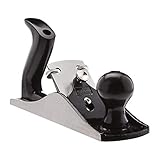
Overview: Amazon’s entry into hand planes offers beginners an affordable introduction to bench plane operation. This No.4 smoothing plane handles basic stock preparation and finishing tasks without requiring a major investment. The cast iron body provides stability while the 2-inch blade suits general-purpose work.
What Makes It Stand Out: The cast iron body provides surprising stability for the price point, while the adjustable gear mechanism allows reasonable blade control. As an Amazon Basics product, it benefits from straightforward warranty support and reliable availability. It democratizes hand tool woodworking for those intimidated by vintage tool restoration.
Value for Money: At a fraction of the cost of vintage or premium planes, this tool lets novices experiment with hand plane techniques without financial risk. It’s cheaper than most powered alternatives for small smoothing tasks. For beginners unsure about committing to hand tools, it’s an accessible entry point.
Strengths and Weaknesses: Strengths include affordability, decent cast iron construction, and included adjustment mechanisms. The 2-inch blade width suits general purpose work. Weaknesses: The plastic handle feels cheap and may crack under stress, the blade requires significant honing out of the box, and overall fit and finish lag behind name brands. The steel alloy blade dulls relatively quickly and needs frequent resharpening.
Bottom Line: A functional starter plane for budget-conscious beginners. Expect to invest time in tuning and sharpening, but it will teach fundamentals before you upgrade to a premium tool.
10. DEWALT 20V MAX Planer, 30,000 Cuts Per Minute, 2 mm Cut Depth, Brushless Motor, Bare Tool Only (DCP580B)

Overview: DEWALT’s cordless hand planer liberates woodworkers from outlet hunting. This 20V MAX tool delivers 30,000 cuts per minute with brushless efficiency, making it ideal for jobsite trim work and on-site fitting. The compact design and precision machining suit both professional carpenters and advanced DIYers.
What Makes It Stand Out: The calibrated depth adjustment to 1/256-inch provides precision typically reserved for bench planes. Precision-machined aluminum shoes maintain perfect parallelism, while the brushless motor maximizes runtime and durability. The 2mm maximum cut depth removes material quickly yet controllably.
Value for Money: As a bare tool, it’s reasonably priced for professionals already invested in the 20V MAX ecosystem. However, adding batteries and charger significantly increases total cost, making it expensive for casual users. For those with existing DEWALT batteries, it offers excellent utility.
Strengths and Weaknesses: Strengths include cordless convenience, impressive power, exceptional depth control, and robust DEWALT construction. It’s perfect for door fitting and beam trimming. Weaknesses: Bare tool status requires battery investment, runtime limitations on large jobs, and ear protection necessity due to noise. It’s less precise than hand planes for fine finishing and creates significant chip waste.
Bottom Line: An excellent choice for professionals needing portable power. If you own DEWALT 20V batteries, this planer offers unmatched jobsite versatility and performance.
Why a Quality Planer Is the Heart of Any Serious Workshop
A planer isn’t just another power tool that collects dust between projects—it’s the cornerstone that unlocks creative freedom. Think about it: without the ability to thickness boards accurately, you’re limited to whatever dimensional lumber the big-box stores decide to stock. That means settling for 3/4-inch when your design calls for 5/8-inch, or compromising with warped boards because that’s all you could find.
The real power of owning a capable planer lies in material independence. You can buy rough-sawn lumber directly from mills at a fraction of the cost, salvage spectacular wood from tree removal services, or thickness custom pieces that make your projects stand out. Over time, this capability doesn’t just save money—it fundamentally changes how you approach design, allowing wood species and dimensions to inspire rather than restrict your creativity.
Understanding the Five Planer Categories
Before diving into features, you need to understand the landscape. Planers aren’t one-size-fits-all, and choosing the wrong category is the most common mistake woodworkers make.
Hand Planers: The Artisan’s Choice
These manual tools represent the purest form of woodworking. Powered by muscle and technique rather than electricity, hand planers force you to develop a tactile relationship with wood grain. They’re unparalleled for fine-tuning joinery, smoothing figured woods that would tear out under power, and achieving surfaces that rival sandpaper. The learning curve is steep, but the satisfaction and control are unmatched.
Power Hand Planers: Portable Muscle
When you need to remove material quickly without breaking your back, power hand planers step up. These tools excel at trimming doors, flattening large glued panels, and cleaning up construction lumber. They’re loud, aggressive, and require a steady hand, but for certain tasks—like beveling edges or reducing width—they’re indispensable. The key is understanding they’re complementary, not replacements, for other planer types.
Benchtop Planers: The Small Shop Workhorse
This category has seen the most innovation recently. Modern benchtop planers deliver performance that rivaled industrial machines a decade ago, fitting into spaces where a stationary planer would be impossible. They handle 90% of what most woodworkers need, from flattening cutting boards to dimensioning furniture parts. The best models now feature helical cutterheads, robust dust collection, and snipe reduction that makes you question why you’d need anything bigger.
Stationary Planers: Industrial Capability
These are the machines that never flinch, no matter what you feed them. With massive motors, cast-iron construction, and the ability to run continuously, stationary planers are built for production environments. They thickness wider boards, take deeper cuts, and maintain perfect parallelism over thousands of board feet. The trade-offs are obvious: they demand serious space, 220V power, and a healthy budget.
Jointer-Planer Combos: The Space-Saving Hybrid
For workshops where every square foot counts, combination machines offer the holy grail: jointing and planing in one footprint. These European-designed tools require a learning curve as you switch between functions, but they deliver precision that surpasses many standalone machines. The compromise comes in capacity and the inconvenience of changing setups, but for small shops doing high-quality work, they’re often the perfect solution.
Key Features That Separate Good Planers from Great Ones
Once you’ve narrowed down your category, it’s time to evaluate the specifics that determine real-world performance. Specifications on paper rarely tell the full story.
Cutting Depth and Width Capacity: What the Numbers Actually Mean
Manufacturers love to advertise maximum depth of cut—often 1/8 inch per pass—but savvy woodworkers know this is a theoretical limit. In practice, taking full-depth cuts leads to tear-out, motor strain, and poor surface quality. A more meaningful specification is the planer’s ability to maintain consistent depth across its full width, especially when taking lighter 1/32-inch finishing passes.
Width capacity determines the maximum board you can process, but don’t forget to consider minimum thickness. Some benchtop models struggle with boards thinner than 1/2 inch, limiting their usefulness for delicate work. The sweet spot for most furniture makers is a machine that handles 12-13 inches wide and can thickness down to 1/4 inch without issues.
Motor Power and Performance Under Load
Amperage ratings tell part of the story, but torque is what matters when you’re feeding a knotty piece of maple through the machine. A 15-amp motor sounds impressive, but if it bogs down on dense woods, it’s not delivering usable power. Look for plans with induction motors rather than universal motors—they run cooler, quieter, and maintain speed better under load.
Variable speed control is another game-changer that many overlook. Being able to slow the feed rate for figured woods or crank it up for soft pine dramatically improves both quality and efficiency. Some advanced models automatically adjust feed speed based on motor load, preventing the stalls that ruin workpieces.
Cutterhead Design: Where the Magic Happens
The cutterhead is the heart of any planer, and its design affects everything from noise level to finish quality. Traditional straight-knife cutterheads are simple and inexpensive to replace but tend to be louder and more prone to tear-out. They require careful alignment and create those infamous “waves” if even slightly uneven.
Helical cutterheads with indexable carbide inserts represent the modern standard for serious woodworkers. Each small, square insert has four cutting edges—rotate when dull, replace when all four are spent. They cut quieter, produce less tear-out on difficult grain, and eliminate the need for knife-setting jigs. The initial cost is higher, but the long-term value is undeniable for anyone processing significant amounts of wood.
Infeed and Outfeed Table Support
Nothing causes snipe—that annoying deep cut at board ends—like inadequate table support. Short tables let boards tip into the cutterhead as they enter and exit. Quality planers feature long, adjustable tables that can be fine-tuned to eliminate this issue. Some designs use table extensions or roller stands to effectively increase support without making the machine permanently massive.
The table material matters too. Cast iron provides mass and stability but can rust if not maintained. Steel tables with precision-ground surfaces offer a good compromise, while some benchtop models use aluminum to save weight at the cost of some rigidity.
Dust Collection: The Feature That Saves Your Lungs
Planers create incredible amounts of chips—turning a 2-inch board into 1-3/4 inches produces a surprising volume of waste. Without effective dust collection, you’ll spend more time cleaning than cutting. Look for models with 4-inch dust ports that create a strong vacuum, pulling chips away from the cutterhead before they can be recut (which dulls blades and mars surfaces).
Some advanced planers include internal chip breakers and blower systems that actively eject debris, working with your dust collector rather than relying solely on passive suction. This is particularly important with helical heads, which can pulverize wood into fine dust that floats everywhere if not captured immediately.
Matching Your Planer to Your Woodworking Identity
The “best” planer isn’t universal—it depends entirely on your work style, space, and typical projects. Let’s break down the ideal matches.
For the Hand Tool Purist
You appreciate the quiet satisfaction of sharp steel and the control that comes from feeling grain direction through your fingertips. Your ideal planer collection starts with a quality set of hand planes: a jack plane for rough work, a jointer plane for flattening, and a smoothing plane for final surfaces. You might add a small block plane for chamfers and a shoulder plane for joinery. Power planers feel like cheating, but you might concede to a small benchtop model for those rare occasions when you need to process a large quantity of stock quickly.
For the Small Shop Hobbyist
Space is at a premium, but you refuse to compromise on quality. A 13-inch benchtop planer with a helical cutterhead is your sweet spot—it handles most furniture parts, stores away when not needed, and delivers finishes that require minimal sanding. You pair it with a 6-inch jointer, using the planer to flatten panels after glue-up. Portability matters because your “workshop” might be a two-car garage that still needs to fit vehicles on weeknights.
For the Professional Contractor
You’re moving between job sites, trimming doors, fitting countertops, and occasionally building built-ins on location. A high-quality power hand planer is your daily driver—compact, powerful, and endlessly versatile. Back at the shop, you rely on a robust benchtop planer that can handle the occasional full-scale project without requiring a forklift to move. Durability and dust collection are non-negotiable because time is money and cleanup kills profit margins.
For the Production Woodworker
You’re running hundreds of board feet weekly, often with demanding tolerances and premium materials. A 20-inch stationary planer with a helical head and digital thickness control is your foundation. You need something that runs all day without overheating, maintains settings between batches, and can be serviced quickly. The investment is substantial, but the cost per board foot over the machine’s lifetime makes it the economical choice.
The Hidden Costs Nobody Talks About
The sticker price is just the beginning. Smart woodworkers calculate total ownership cost before pulling the trigger.
Blade Replacement and Maintenance Economics
Straight-knife blades might cost $30-50 per set and need replacement or sharpening after every few hundred board feet of abrasive woods like oak or maple. Helical inserts cost $3-5 each but last ten times longer and can be rotated four times. Do the math based on your usage—if you’re running 50 board feet weekly, helical pays for itself in under two years. Don’t forget the time cost: changing knives can take an hour versus 10 minutes rotating inserts.
Space, Portability, and Shop Workflow
That 20-inch stationary planer looks fantastic in the showroom, but can you fit 16-foot boards through it in your shop? Consider not just the machine’s footprint but the infeed and outfeed space needed for your longest typical workpiece. Benchtop models offer mobility but often weigh 80-100 pounds—still manageable but not exactly portable. Factor in where you’ll store it, how you’ll move it, and whether it integrates with your existing dust collection and electrical layout.
Electrical Requirements and Power Consumption
Most benchtop planers run on standard 110V circuits, but they’ll trip breakers if sharing power with a dust collector or air cleaner. Stationary machines require 220V and dedicated circuits. Calculate the amperage draw under load, not just the rated amps, and consider whether your shop’s electrical service can handle the addition. Some modern planers feature soft-start motors that reduce inrush current, a blessing for older shops with limited electrical capacity.
Advanced Features That Transform Your Experience
Today’s planers include sophisticated features that were pipe dreams a decade ago. Understanding them helps you separate marketing fluff from genuine innovation.
Helical vs. Straight Knife: The Real-World Difference
Beyond the noise reduction, helical cutterheads cut at a shearing angle rather than straight-on, mimicking the action of a hand plane. This slicing motion dramatically reduces tear-out in figured woods like birdseye maple or crotch walnut. The small inserts also mean that if you hit a nail or staple, you replace one $3 insert rather than a full set of knives. The trade-off? Helical heads take slightly more power to drive and can leave a subtly different surface texture that some hand-tool purists notice.
Digital Depth Gauges and Smart Automation
Mechanical depth stops have served woodworkers for generations, but digital readouts eliminate guesswork and repetitive measuring. The best systems remember your last setting and allow fine adjustments in 0.001-inch increments—critical for precision work like instrument building. Some premium planers now feature automatic thickness control, where you input the target dimension and the machine adjusts itself, compensating for wood density variations in real-time.
Snipe Reduction Technology
Manufacturers attack snipe through multiple approaches: locking cutterheads that prevent movement as boards exit, pressure rollers with independent suspension, and micro-adjustable tables that create perfect alignment. The most effective systems combine several methods. Test this feature by running short (2-foot) and long (6-foot) boards through any planer you’re considering—snipe that’s invisible on long boards can ruin short workpieces.
Safety Features That Should Be Non-Negotiable
Planers demand respect—they can grab boards in an instant and throw them with surprising force. Modern safety features go beyond basic guards.
Look for planers with anti-kickback fingers that prevent boards from shooting backward if the cutterhead grabs. Emergency stops should be large, prominently placed, and mechanically interrupt power rather than relying on software. Some machines include load sensors that shut down if the motor draws excessive current, preventing damage and potential kickback.
Never bypass the depth limiter, which prevents you from setting a cut deeper than the machine can safely handle. And always verify that the cutterhead lock engages properly—an unlocked head can drop onto your workpiece, ruining it and potentially causing injury.
How to Test Drive Before You Invest
You wouldn’t buy a car without driving it, and the same applies to planers. If possible, bring your own wood to test—specifically, a piece of figured maple or walnut with reversing grain. This torture test reveals how well the planer handles difficult wood.
Listen to the motor as you feed the board. Does it maintain steady speed or bog down? Check the surface after each pass—are there ridges indicating uneven knives? Run a 6-foot board through and measure the thickness at both ends and the middle with calipers. Variation here indicates table alignment issues that will haunt you forever.
Test the dust collection by hooking up a shop vacuum or dust collector. A planer that sprays chips everywhere despite being connected is a planer you’ll regret owning. Finally, try changing the blades or rotating inserts. If it requires three specialized tools and an engineering degree, maintenance will be neglected.
Setting Up Your Planer for Surgical Precision
Even the best planer performs poorly if setup is sloppy. Start by ensuring the machine is perfectly level—use a precision level on the tables, not the base, as floors are rarely flat. Adjust the tables so they’re coplanar with the cutterhead across their entire length; a dial indicator makes this job precise but not impossible.
Set the cutterhead height so knives or inserts just kiss a straightedge laid across the tables. This ensures you’re cutting at the true zero point. For benchtop planers, build a sturdy stand that places the outfeed at a comfortable height—your back will thank you after a day of planing. Finally, calibrate the depth scale using test cuts on scrap wood, adjusting until the display matches reality.
Maintenance Secrets for Decades of Service
Your planer’s longevity depends more on maintenance than build quality. After every use, blow out all dust with compressed air, paying special attention to the elevation screws and chain drive. Lubricate these components monthly with dry lubricant—wet oils attract dust and create abrasive paste.
Wax the tables periodically with paste wax to reduce friction and prevent rust. For helical heads, rotate inserts before they’re completely dull; cutting with dull edges creates heat that damages both wood and cutterhead. Check belt tension quarterly—loose belts cause slipping that reduces power and creates uneven cuts. Finally, listen to your machine: changes in sound often indicate problems before they become catastrophic failures.
Troubleshooting Common Planer Problems
Snipe that appears suddenly often means your tables have shifted—recheck alignment. Chatter or ripple marks in the wood indicate dull blades, excessive depth of cut, or feed rollers that need cleaning. Tear-out in straight-grained wood suggests chip-out inside the dust port is being recut; improve your dust collection.
If boards feed unevenly or stall, clean the feed rollers with mineral spirits to remove built-up resin. For thickness variations across the width, your knives or inserts aren’t set evenly. And if the motor hums but won’t start, check for voltage drop—planers are sensitive to low voltage and long extension cords.
The Evolution of Planer Technology in 2024
This year has brought fascinating developments. Battery-powered benchtop planers are emerging, offering true portability without sacrificing much capacity. While currently limited to lighter cuts, they promise job-site thicknessing without generators. AI-assisted feed systems now monitor grain direction and automatically adjust feed speed to prevent tear-out before it starts.
Perhaps most exciting is the trend toward modular cutterheads that accept different insert profiles—imagine switching from standard inserts to textured or profiled cutters without changing the entire head. While still premium features, these innovations trickle down to benchtop models within a few years, making today’s high-end features tomorrow’s standard equipment.
Frequently Asked Questions
What’s the difference between a planer and a jointer, and do I need both?
A jointer flattens one face and squares one edge of a board, while a planer thicknesses boards to a uniform dimension parallel to the already-flat face. You need both for true dimensioning, though many beginners start with a planer and build a sled to flatten boards temporarily.
Can I plane boards shorter than the manufacturer’s minimum length recommendation?
Technically yes, but it’s dangerous and often produces poor results. The feed rollers need enough board length to grip securely. For pieces shorter than 12 inches, build a sled that carries the workpiece through, or hand-plane instead.
How do I prevent tear-out on figured woods?
Take lighter cuts (1/32 inch or less), reduce feed speed if your machine allows, and ensure blades are razor-sharp. A helical cutterhead helps enormously. Sometimes planing at a slight angle to the grain or using a sacrificial backing board prevents blow-out on exit.
Is a helical cutterhead worth the extra cost for a hobbyist?
If you process more than 100 board feet monthly or work with figured woods regularly, absolutely. The time savings in blade changes alone justify the cost within a year. For occasional use on construction lumber, the ROI is longer but the improved surface quality is still noticeable.
Why does my planer leave ridges on the wood?
Uneven blade height is the culprit. On straight-knife heads, one blade is cutting deeper than the others. On helical heads, one insert might be chipped or extended further. Check and adjust accordingly. Even 0.002-inch variation creates visible ridges.
Can I plane glued-up panels?
Yes, with precautions. Ensure the glue is fully cured (24+ hours), remove dried glue squeeze-out with a chisel first, and take light initial passes. Cross-grain glue joints can cause tear-out; consider planing at a slight diagonal. Always plane both sides equally to prevent warping.
What’s the ideal depth of cut per pass?
For rough dimensioning, 1/16 inch works for most woods. For finishing passes, 1/32 inch or less. On wide boards (over 10 inches), reduce depth by 30% to prevent motor strain. Dense woods like maple or exotic species demand even lighter cuts—sometimes just a few thousandths.
How often should I rotate or replace planer blades?
With straight knives, sharpen or replace when you notice tear-out increasing or surface quality declining—typically every 100-300 board feet depending on wood abrasiveness. Helical inserts last 10-20 times longer; rotate when you see performance drop, usually after 1,000+ board feet per insert edge.
Why am I getting snipe only on the last two inches of my boards?
This is classic end-snipe caused by the board tilting as it exits. Ensure your outfeed table is perfectly aligned and supported. Some woodworkers tape a sacrificial strip to the trailing end, or lift the board slightly as it exits to counteract the drop.
Can I use a planer to flatten warped boards?
A planer follows the existing surface—it makes the second side parallel to the first, but doesn’t flatten. To flatten a warped board, you need a jointer or a planer sled that supports the board in a flat orientation while you plane one face, then flip and plane the opposite face parallel.
See Also
- 10 Top-Rated Planers According to Woodworkers in 2026
- 10 Best Planers for DIY Cabinet Making in 2026
- 10 Best Planers for Flattening Rough Boards in 2026
- 10 Best Planers for Hardwood Floors in 2026
- 10 Best Planers for Quick Material Removal in 2026