Table of Contents
When it comes to DIY home projects, a good sander can be the difference between a professional-looking finish and a frustrating mess. Whether you’re refinishing an old piece of furniture, prepping a wall for paint, or smoothing out uneven woodwork, sanding is a crucial step that demands the right tool. The good news? You don’t need to spend a fortune to get excellent results. In fact, some of the most reliable and efficient sanders for home use fall comfortably under the $70 mark.
The budget sander market has evolved dramatically in recent years. Thanks to advancements in motor efficiency, ergonomic design, and material durability, manufacturers now offer tools that rival the performance of pricier models—without the premium price tag. But with so many options available, how do you know which sander is right for your needs? From orbital and detail sanders to belt and multi-tool attachments, understanding the core features and use cases will help you make a smart, value-driven decision.
Top 10 Sanders For Home Projects
Detailed Product Reviews
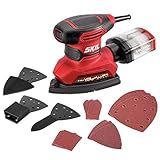
1. SKIL Corded Multi-Function Detail Sander with Micro-Filter Dust Box 3 Additional Attachments & 12pc Sanding Sheet- SR232301
Overview:
The SKIL SR232301 is a versatile corded detail sander designed for precision sanding in tight spaces and on intricate surfaces. Powered by a 1.2-amp motor, it delivers 13,500 orbits per minute for consistent performance across wood, metal, and paint.
What Makes It Stand Out:
Its standout feature is the 4-in-1 design with three interchangeable attachments—ideal for corners, edges, and curved surfaces—allowing quick transitions without tools. The micro-filter dust box and 1-1/4" vacuum port offer dual dust management options, while the hook-and-loop system ensures fast sandpaper changes.
Value for Money:
Priced competitively, it includes 12 sanding sheets and multiple attachments, offering more utility than basic models. The durability and versatility justify the cost, especially for DIYers tackling varied projects.
Strengths and Weaknesses:
Strengths: Excellent versatility, effective dust control, low vibration, comfortable grip.
Weaknesses: Slight learning curve with attachment alignment; dust box may require frequent emptying.
Bottom Line:
A reliable, adaptable sander ideal for detailed work—great for crafters and homeowners seeking professional results without complexity.
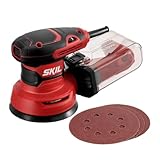
2. SKIL 5” Random Orbital Sander with Cyclonic Dust Box & 3pc Sanding Sheet - SR211601, Multicolor
Overview:
The SKIL SR211601 is a robust 5-inch random orbital sander powered by a 2.8-amp motor, delivering 13,000 orbits per minute. Designed for both large surface sanding and tight areas, it combines power with user comfort.
What Makes It Stand Out:
Its cyclonic dust collection system separates fine dust efficiently, keeping the transparent container easy to monitor and empty. Variable speed control allows adaptation to materials like wood, metal, or finishes, while the compact design enhances maneuverability.
Value for Money:
Despite a mid-range price, it offers professional-grade dust management and speed control, typically found in higher-end models. The included sanding sheets add immediate usability.
Strengths and Weaknesses:
Strengths: Superior dust containment, ergonomic soft-grip handle, low vibration, excellent control in confined spaces.
Weaknesses: Sander can feel slightly top-heavy; vacuum hose attachment may restrict movement.
Bottom Line:
An excellent choice for users prioritizing dust control and precision—ideal for refinishing furniture or prepping surfaces with minimal mess.
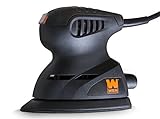
3. WEN 6301 Electric Detailing Palm Sander
Overview:
The WEN 6301 is a lightweight, compact palm sander featuring a 3.75 x 5.5-inch pad and angled tip for precision work. With a 1-amp motor and 13,500 OPM, it’s optimized for small-scale sanding tasks.
What Makes It Stand Out:
Its ultra-lightweight 2-pound design reduces fatigue during extended use. The angled tip excels in corners and edges, while the dust collection port supports cleaner operation—uncommon in budget sanders.
Value for Money:
One of the most affordable electric detail sanders, it delivers solid performance for casual DIYers. The inclusion of a dust port and Velcro pad adds value without inflating cost.
Strengths and Weaknesses:
Strengths: Lightweight, precise, affordable, easy sandpaper changes.
Weaknesses: Less power for heavy material removal; dust collection is modest without a vacuum.
Bottom Line:
A budget-friendly, reliable sander perfect for light-duty projects, touch-ups, and beginners.
4. POLIWELL Micro Sander Kit 3.5” x 1” Mini Sander for Small Projects, Detail Handle Sanding Tools + Sandpaper 80 120 180 240 400 Grit for DIY Crafts Wood Finishing Tight Narrow Spaces Polishing, 50 PCS

Overview:
The POLIWELL Micro Sander Kit is a manual, ergonomic sanding tool designed for ultra-precise work in tight spaces. Measuring 3.5” x 1”, it’s ideal for crafts, model-making, and fine woodworking.
What Makes It Stand Out:
Its polyurethane foam body fits comfortably under the index finger, allowing superior control. The 50-piece sandpaper set includes five grits (80–400), clearly labeled for quick identification and progression from coarse to fine finishes.
Value for Money:
At a low price, it includes 50 sanding sheets—offering exceptional value for detail-oriented users. Replacements are available, enhancing long-term usability.
Strengths and Weaknesses:
Strengths: Excellent ergonomics, flexible for tight spots, comprehensive grit range, no electricity needed.
Weaknesses: Manual operation limits speed; not suitable for large areas.
Bottom Line:
An indispensable hand tool for artisans and woodworkers needing precision in delicate or confined areas.
5. THINKLEARN Detail Sander - 13000 OPM Compact Electric Sander Tool, 1.2A Mouse Sanders with 15Pcs Sandpapers and Dust Box, Handheld Sanding Machine for Woodworking, Furniture and Small Projects

Overview:
The THINKLEARN Detail Sander is a compact, corded electric mouse sander with a 1.2A motor and 13,000 OPM. Designed for small woodworking and furniture projects, it combines power, portability, and thoughtful design.
What Makes It Stand Out:
Its triangular head accesses corners effortlessly, while the 6-hole dust collection system and detachable dust box keep workspaces clean. The included 15 sanding sheets (four grits) and vacuum adapter enhance functionality.
Value for Money:
Offers premium features like a rubber-sealed vacuum adapter and pure copper motor at a budget price. The 15 included sandpapers exceed industry norms.
Strengths and Weaknesses:
Strengths: Strong dust control, lightweight, quiet operation, comfortable grip, excellent accessory bundle.
Weaknesses: Pink color may not appeal to all; cord length could be longer.
Bottom Line:
An outstanding value-packed sander—perfect for DIYers and a thoughtful gift for hobbyists.
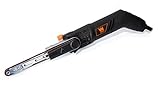
6. WEN 6307 Variable Speed Detailing File Sander with 1/2-by-18" Belt
Overview:
The WEN 6307 is a specialized belt sander designed for precision work in tight spaces, offering a unique combination of variable speed control and angular flexibility. Ideal for woodworkers and detail sanding tasks, it stands out for its versatility in handling contours and edges.
What Makes It Stand Out:
Its variable speed dial (1,080–1,800 FPM) allows users to match the sanding intensity to the material, reducing the risk of damage. The auto-tracking belt system eliminates the need for manual tensioning, while the 55-degree pivoting belt enables access to awkward angles. Tool-free belt changes and an included dust port enhance convenience and cleanliness.
Value for Money:
Priced competitively, the WEN 6307 delivers professional-grade features like a two-year warranty, three sanding belts, and dust attachment—components that add value over cheaper models lacking durability or versatility.
Strengths and Weaknesses:
Strengths: Precise angular sanding, no maintenance belt tracking, easy belt changes, strong motor performance.
Weaknesses: Limited to narrow surfaces; not ideal for large-area sanding. Belt size may require frequent replacements on heavy jobs.
Bottom Line:
The WEN 6307 excels in detail work where control and access matter most. It’s a smart buy for craftsmen needing a reliable, agile file sander for intricate projects.
7. Prostormer Detail Sander, 13000RPM Mouse Sander, 1.6A Electric Palm Sanders with 15Pcs Sandpapers, Dust Collection Box for Tight Spaces Sanding, Polishing, Woodworking in Home Decoration

Overview:
The Prostormer Detail Sander is a compact, high-speed electric palm sander built for precision tasks in confined areas. With a powerful 1.6A motor and 13,000 RPM, it’s designed for homeowners and DIYers tackling fine sanding and polishing jobs.
What Makes It Stand Out:
Its standout feature is the 5-hole dust collection system, which efficiently captures debris into a transparent box, allowing real-time monitoring. The hook-and-loop pad supports quick sandpaper changes with 15 included grits (60, 120, 180), covering everything from coarse removal to final polish.
Value for Money:
Excellent value given the comprehensive package—15 sandpapers, dust box, and user manual—all at an affordable price. The inclusion of multiple grits saves initial accessory costs.
Strengths and Weaknesses:
Strengths: Lightweight (2.36 lbs), ergonomic handle, strong dust collection, versatile for wood and metal.
Weaknesses: Dust box capacity is small, requiring frequent emptying; corded design limits mobility.
Bottom Line:
A well-rounded, budget-friendly detail sander ideal for home use, offering solid performance, comfort, and cleanliness in tight spaces.
8. Detail Sander: DEKOPRO Multi-Function Mouse Sander Electric Sander Tool Corded Palm Sanders with Dust Collector, 3 Additional Attachments &12pc Sandpapers for Sanding,Polishing,Removing Paint in Home

Overview:
The DEKOPRO Multi-Function Mouse Sander is a corded electric tool tailored for detailed sanding tasks in home workshops. With a 1.5A motor and 13,000 OPM, it delivers consistent power for a range of materials from wood to painted surfaces.
What Makes It Stand Out:
Its 4-in-1 design includes three interchangeable attachments for corners, edges, and curves, significantly expanding its usability. The hook-and-loop pad allows swift sandpaper changes, and the built-in dust collector connects to a vacuum for a cleaner workspace.
Value for Money:
Priced affordably with 12 included sandpapers and multiple attachments, it offers more versatility than many competitors. The added accessories reduce the need for immediate additional purchases.
Strengths and Weaknesses:
Strengths: Multi-attachment functionality, good dust extraction, comfortable rubber grip, low vibration.
Weaknesses: Attachments may feel flimsy; vacuum port compatibility limited to standard hoses.
Bottom Line:
A versatile and practical choice for DIYers needing a single tool for detailed sanding, shaping, and paint removal in hard-to-reach areas.
9. SKIL Corded Detail Sander, Includes 3pcs Sanding Paper and Dust Box - SR250801

Overview:
The SKIL SR250801 is a compact, 1-amp detail sander designed for precision sanding in corners and tight spots. With 12,000 orbits per minute, it offers smooth performance for light to medium tasks around the home.
What Makes It Stand Out:
It features a dual dust management system—micro-filtration and a 1-1/4" dust port for vacuum attachment—giving users flexibility in dust control. The dust-sealed on/off switch enhances durability, while the hook-and-loop pad enables quick sandpaper changes.
Value for Money:
Affordable and reliable, it includes three sanding papers and a dust box, making it ready to use out of the box. Its low vibration and ergonomic grip justify the price for casual users.
Strengths and Weaknesses:
Strengths: Excellent dust control options, comfortable soft grip, quiet operation, low vibration.
Weaknesses: Lower power than competitors; dust box is small and fills quickly.
Bottom Line:
A dependable, user-friendly detail sander perfect for homeowners who prioritize cleanliness and comfort over heavy-duty performance.
10. DEWALT 20V MAX Orbital Sander, Tool Only (DCW210B)

Overview:
The DEWALT 20V MAX Orbital Sander is a cordless, high-performance tool designed for professionals and serious DIYers. Running on DEWALT’s 20V MAX battery platform, it offers portability without sacrificing power.
What Makes It Stand Out:
Its brushless motor enhances efficiency and extends runtime, while variable speed (8,000–12,000 OPM) allows precise control across materials. The low-profile design enables flush sanding, and the 8-hole hook-and-loop pad ensures even dust extraction and quick paper changes.
Value for Money:
Sold as tool-only (no battery or charger), it’s best for existing DEWALT 20V users. The build quality, brushless motor, and dust-sealed switch justify the cost for long-term reliability.
Strengths and Weaknesses:
Strengths: Cordless freedom, variable speed, durable construction, excellent dust management.
Weaknesses: Battery and charger sold separately; higher upfront cost for full setup.
Bottom Line:
A top-tier cordless orbital sander for professionals needing mobility, precision, and durability in a high-end tool.
Understanding the Different Types of Sanders
Before diving into features and price points, it’s essential to understand the primary types of sanders available and what each excels at. Choosing the right type depends largely on your intended projects, work surface, and desired finish.
Orbital Sanders (Palm Sanders)
Orbital sanders, often referred to as palm sanders, are among the most popular choices for home users. They operate with a small, circular pad that moves in tiny orbits, making them ideal for general sanding tasks. These sanders are lightweight, easy to control, and perfect for finishing work on flat surfaces like tabletops or cabinet doors. Their random-orbit variation reduces swirl marks, offering a smoother finish.
Belt Sanders
Belt sanders are more aggressive, designed for rapid material removal. They use a continuous loop of sandpaper that rotates at high speed, making them effective for stripping paint, leveling rough lumber, or shaping wood. While powerful, they can be harder to control and may leave visible sanding lines if not used carefully. Best suited for larger, more demanding jobs, but may be overkill for delicate home projects.
Detail Sanders
When precision is key, detail sanders are the go-to tool. Featuring a narrow, triangular sanding tip, they’re perfect for tight corners, window frames, or intricate woodwork. These sanders excel in areas where larger tools can’t reach. Lightweight and often equipped with variable speed settings, they’re a favorite for trim work and detailed restoration.
Sheet Sanders (Quarter-Sheet)
Sheet sanders utilize standard sandpaper sheets, typically cut into quarters, clamped into the tool. They offer a flat sanding surface and are well-suited for larger flat areas. While not as common as orbital sanders, they’re still valued for their simplicity and compatibility with widely available sandpaper.
Multi-Sanders (Oscillating Tools)
Oscillating multi-tools with sanding attachments are highly versatile. They can switch between sanding, cutting, and scraping with the right accessory. While not a dedicated sander, they’re excellent for small, awkward areas or when you want a single tool to handle multiple tasks. Their compact size makes them perfect for homeowners with limited storage.
Key Features to Consider When Buying a Budget Sander
Even within the $70 price range, not all sanders are created equal. Understanding which features deliver real value—versus marketing fluff—can help you pick a tool that lasts and performs.
Motor Power and Speed
Motor power is typically measured in amps or volts (for cordless models). For home use, a motor between 2.5 and 5 amps is usually sufficient. Higher amperage means more power and consistent performance, especially when tackling harder woods or thicker finishes. Variable speed control is a valuable feature, allowing you to adjust the RPM based on material sensitivity—lower speeds for delicate finishes, higher for aggressive removal.
Dust Collection System
Sanding creates a lot of fine dust, which can be messy and even hazardous if inhaled. A good dust collection system—whether through a built-in dust bag or a port compatible with a vacuum—helps keep your workspace clean and improves visibility. Look for models with efficient dust extraction; it’s a feature that enhances both safety and usability.
Weight and Ergonomics
Comfort matters, especially during extended use. A lightweight sander with a well-designed grip reduces hand fatigue and improves control. Rubberized handles, balanced weight distribution, and soft-touch materials all contribute to a better user experience. If you plan to sand overhead or in tight spaces, a lighter model is especially important.
Sandpaper Compatibility and Change Mechanism
How sandpaper attaches and how easy it is to change can significantly affect workflow. Hook-and-loop (Velcro) systems are generally the most convenient, allowing quick swaps. Some models use clamps or levers, which may require a screwdriver. Also, consider the availability and cost of replacement sandpaper—standard sizes are easier and cheaper to source.
Vibration and Noise Levels
Excessive vibration can lead to hand strain and reduce precision over time. Higher-end budget models often include vibration-dampening technology. While noise levels aren’t always advertised, quieter motors enhance comfort, especially in indoor environments or shared living spaces.
Matching the Sander to Your Home Projects
Choosing the right sander isn’t just about features—it’s about matching the tool to your most common tasks.
Furniture Refinishing
For restoring old tables, chairs, or dressers, an orbital or detail sander is usually ideal. Orbital sanders provide a smooth, swirl-free finish on flat surfaces, while detail sanders tackle carved legs or joints. Look for models with variable speed to avoid damaging delicate wood.
Wall and Ceiling Prep
Sanding walls or ceilings requires a tool that’s lightweight and generates minimal dust. A pole sander attachment or a compact orbital sander with excellent dust collection is best. Corded models may be preferable here to avoid battery limitations during larger jobs.
Deck and Outdoor Woodwork
Outdoor surfaces often require heavy-duty sanding due to weathering and old finishes. A belt sander or powerful orbital model with high RPM can quickly strip away grime and prepare wood for sealing. Ensure the sander has durable construction to withstand outdoor conditions.
Cabinet and Trim Work
Detail sanders shine here. Their narrow tips can reach into corners, grooves, and edges without damaging surrounding areas. A model with adjustable angles or a swiveling head offers even greater precision.
Corded vs. Cordless: What’s Best for You?
Another key decision is whether to go corded or cordless. Each has advantages depending on your needs.
Corded Sanders
Corded sanders deliver consistent power and are typically more affordable. They don’t require recharging and are ideal for extended use. However, the cord can limit mobility and may require extension cords or frequent outlet changes.
Cordless Sanders
Cordless models offer unmatched portability and freedom of movement. They’re perfect for hard-to-reach areas or when working away from outlets. Battery life and charging time are critical considerations—look for models with at least 20–30 minutes of runtime under load and fast-charging capabilities.
Durability and Build Quality on a Budget
Just because a sander is budget-friendly doesn’t mean it has to feel cheap. Look for models with durable housings made from high-impact plastics or reinforced composites. Metal gears (as opposed to plastic) in the motor housing improve longevity. A solid, wobble-free sanding pad also indicates better build quality.
Pay attention to user reviews that mention long-term durability. Some sanders may perform well out of the box but fail after a few months of regular use. Consistent performance over time is a hallmark of a well-built tool.
Accessories and Additional Features
While the core function is sanding, some extra features can enhance usability.
LED Work Lights
Built-in LED lights illuminate your work area, especially helpful in dimly lit garages or when sanding in corners. This small addition can significantly improve accuracy.
Rubberized Base
A rubberized sanding pad helps prevent the tool from slipping on smooth surfaces, giving you better control and reducing the chance of gouging.
Storage Case or Bag
Some models come with a carrying case, which is useful for protecting the sander and organizing sandpaper and accessories. Not essential, but a nice bonus.
Safety Tips for Using Budget Sanders
Even the most affordable sander demands respect. Always wear safety goggles to protect your eyes from debris. A dust mask or respirator is recommended, especially when sanding painted or treated wood that may release harmful particles. Work in a well-ventilated area, and keep cords clear of the sanding path to prevent tripping.
Maximizing Value: What to Avoid
To get the most out of your under-$70 investment, steer clear of models with overly complex features that may break easily. Avoid sanders with underpowered motors (below 2 amps) or those that use non-standard sandpaper sizes. Also, be cautious of brands with poor customer support or limited warranty coverage.
How to Maintain Your Budget Sander
Proper maintenance extends the life of any power tool. After each use, clean the dust bag or port to prevent clogging. Wipe down the housing and check the sandpaper for wear. Store the sander in a dry place, and for cordless models, remove the battery if not in use for extended periods. Regular cleaning of the motor vents helps prevent overheating.
Realistic Expectations for Budget Tools
It’s important to set realistic expectations. A $70 sander won’t match the power or durability of a professional-grade tool costing $200+. However, it can deliver excellent results for light to moderate home use. Think of it as an investment in convenience and quality—not industrial performance.
Where to Buy and When to Buy
Online retailers often offer the best deals, especially during seasonal sales like Black Friday or Memorial Day. Compare prices across multiple platforms and read verified customer reviews. Local hardware stores may offer the advantage of seeing the tool in person or getting expert advice.
Final Thoughts: Balancing Cost and Capability
Finding the right sander under $70 comes down to balancing your needs with what the market offers. Focus on reliability, ease of use, and compatibility with your most common projects. Don’t be swayed by flashy features—instead, prioritize build quality, ergonomics, and dust management. With the right research, you can find a sander that performs well, lasts for years, and fits comfortably in your budget.
Frequently Asked Questions
What is the most versatile sander for home use?
An orbital sander is generally the most versatile for homeowners. It handles flat surfaces well, produces a smooth finish, and can be used on wood, drywall, and metal with the right sandpaper.
Can I use a budget sander for professional projects?
For light-duty professional tasks, yes. However, frequent or heavy use may wear out budget models faster. They’re best suited for occasional or DIY use.
How long should a budget sander last?
With proper care, a good-quality budget sander can last 3–5 years or more, depending on usage frequency and maintenance.
Are cordless sanders as powerful as corded ones?
Generally, corded sanders offer more consistent power. However, modern cordless models have closed the gap significantly, especially in the mid-tier price range.
What grit sandpaper should I start with?
For most projects, start with 80–120 grit to remove material, then progress to 150–220 grit for smoothing and finishing.
Do I need a sander with variable speed?
Variable speed is helpful, especially when working with different materials. It allows you to avoid damaging soft woods or delicate finishes.
Can I use my sander on metal?
Yes, but only with appropriate metal-compatible sandpaper (like aluminum oxide) and at lower speeds to prevent overheating.
How do I reduce swirl marks when sanding?
Use a random orbital sander instead of a standard orbital, sand with the grain, and avoid applying too much pressure.
Is dust collection really necessary?
Yes. It improves visibility, reduces mess, and protects your respiratory health. A sander with good dust extraction is worth the slight premium.
Can I sand curves and edges effectively with a budget model?
Yes, especially with a detail sander or an orbital sander with a contoured base. Just ensure the pad has enough flexibility to follow the shape.
See Also
- 10 Best Budget Angle Grinders Under $80 for Home Use
- 10 Affordable Sanders That Don’t Sacrifice Quality in 2026
- 10 Best Sanders for Deck Refinishing This Year
- 10 Best Sanders for Detail Corners in 2026
- 10 Best Sanders for Fine Finish Projects in 2026