Table of Contents
Metal fabrication is a high-precision, high-stakes craft that demands tools capable of keeping pace with both the physical demands and the technical requirements of the job. Among the most indispensable tools in a fabricator’s arsenal is the angle grinder—a versatile powerhouse used for cutting, grinding, polishing, and finishing metal surfaces with speed and accuracy. As we move into 2026, advancements in motor technology, ergonomic design, and safety features have transformed the landscape of available models, making it both exciting and challenging to choose the right one.
With countless options flooding the market—ranging from corded workhorses to cordless innovations—the decision-making process can quickly become overwhelming. More than just raw power, today’s fabricators need grinders that deliver consistency, durability, and intelligent design tailored to long shifts and tough environments. Whether you’re a seasoned professional or managing a fabrication shop, understanding the key features and performance metrics can make all the difference in productivity, safety, and long-term value.
Top 10 Angle Grinders For Metal Fabrication
Detailed Product Reviews
1. DEWALT Angle Grinder, 4.5 Inch, 11 Amp, 11,000 rpm, With Paddle Switch, Ergonomic Compact Design Grinder Tool (DWE402)

Overview:
The DEWALT DWE402 is a high-performance 4.5-inch angle grinder designed for professionals and serious DIYers. Powered by an 11-amp AC/DC motor, it delivers 11,000 rpm for fast, aggressive material removal. Its compact build and paddle switch enhance control and usability in tight spaces.
What Makes It Stand Out:
This grinder excels with its Dust Ejection System, which protects internal components from debris, extending tool life. The one-touch 360-degree guard adjustment and quick-change wheel release eliminate the need for tools during setup. Upgraded oversized brushes offer double the lifespan of previous models, and the large spiral bevel gear ensures long-term durability.
Value for Money:
While priced at a premium, the DWE402 justifies its cost with professional-grade build quality, reliability, and advanced features rarely seen in this class. It outperforms many competitors in longevity and efficiency, making it a smart investment for frequent users.
Strengths and Weaknesses:
Strengths: Exceptional power-to-size ratio, excellent dust protection, tool-free wheel changes, durable construction.
Weaknesses: Slightly heavier than some rivals, and lacks variable speed control.
Bottom Line:
The DEWALT DWE402 is a top-tier 4.5-inch angle grinder that delivers unmatched durability and user-friendly features, making it ideal for professionals seeking reliable, long-term performance.
2. AVID POWER Angle Grinder 4-1/2 inch Electric Grinder Tools 750W 6.5 Amp Metal Grinder, 11500 RPM, with Grinding and Cutting Wheels, Auxiliary Handle, Wrench for Cutting and Grinding

Overview:
The AVID POWER 4.5-inch angle grinder is a budget-friendly, lightweight tool tailored for homeowners and light-duty tasks. With a 6.5-amp motor and 11,500 rpm no-load speed, it offers solid performance for cutting and grinding metal in DIY environments.
What Makes It Stand Out:
It comes well-equipped with two cutting and two grinding wheels, an auxiliary handle, and a wrench—everything needed to start right out of the box. The spindle lock simplifies disc changes, and the 2-position side handle enhances control for both left- and right-handed users.
Value for Money:
This grinder delivers excellent value for casual users. Its low price, included accessories, and reliable performance make it a standout in the entry-level segment.
Strengths and Weaknesses:
Strengths: Affordable, includes useful accessories, lightweight (3.2 lbs), low vibration.
Weaknesses: Guard adjustment requires a screwdriver (not included), shorter brush life compared to premium models, not ideal for prolonged heavy use.
Bottom Line:
The AVID POWER grinder is a practical, well-rounded choice for DIYers needing a capable, no-frills tool for occasional metalwork at a great price.
3. Shieldpro Cordless Angle Grinder 4-1/2 inch,3 Variable Speeds Grinder with Rotating head,2×20V 4.0Ah Batteries,Grinder Tool For Metal Cutting, Grinding, Polishing, Rust Removal

Overview:
The Shieldpro cordless angle grinder brings true portability to metalworking. Running on two 20V 4.0Ah batteries, this brushless model eliminates cords while offering 3 speed settings (up to 9,500 rpm), making it versatile for cutting, grinding, and polishing.
What Makes It Stand Out:
Its 3-position rotating head allows access to tight spaces, while the lock-on switch reduces hand fatigue. The inclusion of a polishing disc and sandpaper adds immediate value. Brushless motor technology enhances efficiency and lifespan.
Value for Money:
Priced higher due to included batteries and advanced features, it offers strong long-term value for users prioritizing mobility and multi-functionality without sacrificing performance.
Strengths and Weaknesses:
Strengths: Cordless freedom, rotating head, brushless motor, included polishing accessories, reduced fatigue.
Weaknesses: Battery runtime may be limiting on heavy jobs, slightly bulkier than corded models.
Bottom Line:
The Shieldpro cordless grinder is a forward-thinking, versatile tool ideal for professionals and DIYers needing flexibility and portability across diverse grinding and finishing tasks.
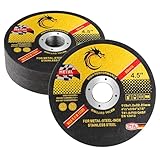
4. PUOPOSTY 4 1/2 Cut Off Wheel Angle Grinder Cutting Disc for Metal & Stainless Steel, Max 13,300 RPM, 0.045" Thin Grinding Wheel,10 Pack
Overview:
The PUOPOSTY 10-pack of 4.5-inch cut-off wheels is engineered for precision metal and stainless steel cutting. With a maximum speed of 13,300 rpm and an ultra-thin 0.045-inch profile, these discs are built for clean, efficient cuts.
What Makes It Stand Out:
The dual alumina composition—white for stainless steel, brown for carbon steel—optimizes cutting speed and durability. Their thin design minimizes material waste and kerf, ideal for detailed work.
Value for Money:
Offering 10 high-quality reinforced discs at a competitive price, this pack delivers long-term savings for frequent metalworkers. The durability reduces the need for constant replacements.
Strengths and Weaknesses:
Strengths: High RPM rating, ultra-thin profile, dual-material composition, excellent value per disc.
Weaknesses: Not suitable for grinding; strictly for cutting. May wear faster on abrasive materials.
Bottom Line:
PUOPOSTY’s cut-off wheels are a top choice for metalworkers seeking precision, durability, and cost-effective performance in a reliable 10-pack.
5. VEVOR Angle Grinder, 5" Electric Grinder Power Tool, 10Amps 10000RPM High-Speed Corded Angle Grinders with 230° Adjustable Dust Guard for Metal Grinding, Cutting, Rust Removal (Disc Not Included)

Overview:
The VEVOR 5-inch angle grinder is a robust, corded tool powered by a 10-amp (1200W) motor, delivering 10,000 rpm for demanding grinding, cutting, and rust removal tasks across metal, stone, and wood.
What Makes It Stand Out:
Its 230-degree adjustable dust guard enhances safety by containing debris, while the ergonomic rubber grip and 2-position side handle improve control and comfort. The 6.56-foot power cord offers ample reach.
Value for Money:
Priced competitively, it delivers commercial-grade power and build quality. Though discs are sold separately, the grinder’s versatility and durability justify the investment for semi-pro users.
Strengths and Weaknesses:
Strengths: Powerful motor, large guard adjustability, comfortable grip, long power cord.
Weaknesses: No disc included, slightly heavier at 5.2 lbs, lacks variable speed.
Bottom Line:
The VEVOR 5-inch grinder is a powerful, well-designed tool offering excellent performance for heavy-duty applications at a value-driven price point.
6. AVID POWER Angle Grinder, 7.5-Amp 4-1/2 inch Electric Grinder Power Tools with Grinding and Cutting Wheels, Flap Disc and Auxiliary Handle for Cutting, Grinding, Polishing and Rust Removal - Red

Overview:
The AVID POWER 4-1/2-inch angle grinder is a well-rounded, entry-level power tool designed for DIYers and light-duty metalworkers. Powered by a 7.5-amp motor, it delivers up to 12,000 RPM, making it suitable for cutting, grinding, polishing, and rust removal on metal surfaces.
What Makes It Stand Out:
This grinder stands out for its balanced design and included accessories—two cutting wheels, two grinding wheels, and a flap disc—giving users immediate versatility. The tool-free adjustable safety guard and 2-position side handle enhance control and safety, while the spindle lock simplifies wheel changes. Its compatibility with universal 7/8” arbor and 5/8”-11 thread ensures broad disc compatibility.
Value for Money:
Priced competitively, it offers excellent value with a full kit right out of the box. While not built for continuous heavy use (limited to 30-minute intervals), it’s ideal for weekend warriors and small projects.
Strengths and Weaknesses:
Strengths: Powerful motor, low vibration, ergonomic design, included accessories, and easy disc changes. Weaknesses: Not for prolonged use, requires cooling breaks, and the red finish may show scratches over time.
Bottom Line:
A reliable, feature-packed grinder for home use—perfect for beginners needing a versatile, affordable tool with solid performance and safety features.
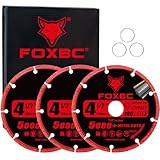
7. FOXBC 4-1/2 Inch Diamond Cutting Wheel Metal Cut Off for Angle Grinder, 5000+ Cuts on Rebar, Stainless Steel, Angle Iron, 7/8" Arbor - 3 Pack
Overview:
The FOXBC 4-1/2-inch diamond cutting wheels are high-performance metal cut-off discs engineered for durability and precision. Designed for dry cutting, they tackle tough materials like rebar, stainless steel, angle iron, and cast iron with ease, offering a long service life.
What Makes It Stand Out:
These wheels utilize an electro-plated diamond rim for superior edge retention, delivering up to 100 times longer life than standard abrasive discs. The solid steel body enhances safety by reducing the risk of shattering, while the diamond technology minimizes sparks and dust—ideal for cleaner, safer cuts.
Value for Money:
Although pricier per disc than bonded wheels, the 3-pack’s extended lifespan and reduced replacement frequency offer substantial long-term savings, especially for frequent metalworkers.
Strengths and Weaknesses:
Strengths: Exceptional durability, safer operation, minimal sparks/dust, precise cuts, and shatter-resistant design. Weaknesses: Higher upfront cost, not ideal for wet cutting applications.
Bottom Line:
A premium upgrade for serious users—FOXBC’s diamond wheels deliver unmatched longevity, precision, and safety for metal cutting tasks.
8. CNQLIS Shrinking Disc 4½", 1.4MM Thick Sheet Metal Fabrication Tool for Automotive Body Panel Repair, Smoothing, Sanding, Fits for 4-1/2 inch Angle Grinder, 5/8" - 11 Spindle Thread

Overview:
The CNQLIS 4½-inch shrinking disc is a specialized metalworking tool designed for auto body repair and sheet metal fabrication. Made from durable 304 stainless steel, it fits standard 4-1/2-inch angle grinders and enables precise heat-based shrinking and smoothing of stretched or damaged metal panels.
What Makes It Stand Out:
This disc generates controlled friction heat to shrink and reshape metal without warping, making it indispensable for restoring dented body panels. Its 1.4mm thickness ensures durability, while the universal 5/8"-11 thread and 7/8” arbor compatibility allow seamless integration with most grinders.
Value for Money:
Offering professional-grade results at a modest price, it’s a cost-effective solution for body shops and DIY auto restorers seeking precision and repeatability in metal shaping.
Strengths and Weaknesses:
Strengths: Durable construction, excellent heat control, seamless fit, and versatile for steel, aluminum, and brass. Weaknesses: Requires skill to use effectively; beginners may need practice to avoid overheating.
Bottom Line:
An essential tool for metal fabricators and auto repair specialists—CNQLIS delivers reliable, professional shrinking performance for flawless sheet metal restoration.
9. Sworker 10Pcs Carbide Burr Set 1/4 Shank w/Clear Box Max Head Dia 10mm Die Grinder Bits Rotary Tools Attachment Kit Rasp Accessories Metal Wood Stone Steel Grinding Deburring Cutting Porting Carving

Overview:
The Sworker 10-piece carbide burr set is a versatile collection of rotary tool bits designed for precision grinding, deburring, carving, and shaping across metal, wood, stone, and plastic. Featuring a 1/4-inch shank, these burrs are compatible with most die grinders and rotary tools.
What Makes It Stand Out:
With double-cut tungsten carbide heads in 6mm, 8mm, and 10mm sizes, these burrs offer aggressive material removal and a finer finish than single-cut alternatives. The included clear clamshell box ensures organized storage, and the detailed manual aids beginners.
Value for Money:
This well-constructed set provides excellent variety and durability at a fair price, making it a smart investment for hobbyists and professionals alike.
Strengths and Weaknesses:
Strengths: High sharpness, low vibration, wide material compatibility, and excellent chip control. Weaknesses: Not compatible with 6mm collet systems, and some shapes may wear faster on hardened steel.
Bottom Line:
A high-quality, versatile carbide burr set that delivers precision and durability—ideal for detailed work across multiple materials.
10. KSEIBI 651006 Grinding Wheels 10-Pack, Aluminum Oxide Discs for Metal & Stainless Steel, 4-1/2" x 1/4" x 7/8", Aggressive Grinding for Angle Grinders, Depressed Center Design

Overview:
The KSEIBI 651006 10-pack of 4-1/2-inch aluminum oxide grinding wheels delivers consistent, aggressive material removal for metal and stainless steel. Featuring a depressed center design, these discs are built for durability and smooth performance on angle grinders.
What Makes It Stand Out:
These wheels utilize high-performance aluminum oxide grain for long life and fast stock removal, ideal for rust removal, deburring, and surface prep. The low-vibration design enhances user comfort during extended use, while the 7/8” arbor and 1/4” thickness ensure broad compatibility.
Value for Money:
Priced affordably as a 10-pack, they offer excellent value for workshops needing reliable, no-frills grinding discs for routine metalwork.
Strengths and Weaknesses:
Strengths: Aggressive grinding, no clogging, smooth operation, and high durability. Weaknesses: Not for cutting—strictly grinding use, and may wear faster on extremely hard alloys.
Bottom Line:
A dependable, high-performance grinding wheel pack—perfect for mechanics, fabricators, and DIYers seeking efficiency and consistency in metal surface preparation.
Why the Right Angle Grinder Matters in Metal Fabrication
The angle grinder is more than just a spinning disc—it’s a precision instrument when wielded correctly. In metal fabrication, where tolerances are tight and downtime is costly, having a reliable grinder directly impacts output quality and workflow efficiency. A poorly chosen tool can lead to uneven finishes, increased material waste, operator fatigue, or even safety hazards.
Modern fabrication shops demand tools that can adapt to diverse tasks—beveling edges, removing weld seams, cutting through thick steel, or polishing stainless finishes. The right grinder streamlines these operations, reducing the need to switch tools and minimizing rework. It’s not about owning the most powerful model, but rather the one best suited to your specific workflow and material types.
Power Source: Corded vs. Cordless Grinders
One of the first decisions fabricators face is choosing between corded and cordless models. Each has distinct advantages depending on job scope, mobility needs, and operating environment.
Corded Grinders: The Powerhouses
Corded grinders offer consistent, uninterrupted power output, making them ideal for continuous heavy-duty applications. They typically deliver higher RPMs and torque, which is essential when working with thick steel or demanding grinding tasks. Since they don’t rely on batteries, they don’t suffer from performance drop-off over time, ensuring stable operation throughout long shifts.
However, the trade-off is reduced mobility. The power cord can limit movement, create tripping hazards, and require access to reliable power sources. In dynamic or remote workspaces, this limitation can be a major drawback.
Cordless Grinders: Freedom and Flexibility
Cordless angle grinders have made significant strides in recent years, thanks to advancements in lithium-ion battery technology. Modern 18V and 20V systems now deliver power levels comparable to many corded models, with the added benefit of unrestricted movement.
For mobile operations, outdoor jobs, or fabrication in confined spaces, cordless grinders offer unmatched convenience. They’re also quieter and generally lighter, reducing operator fatigue. However, battery life remains a consideration—especially on high-torque tasks—and frequent users may need multiple battery packs to maintain productivity.
Motor Types: Brushed vs. Brushless
The motor is the heart of any angle grinder, and understanding the differences between brushed and brushless motors is critical for long-term performance.
Brushed Motors: Traditional and Cost-Effective
Brushed motors have been the standard for decades. They use carbon brushes to deliver current to the motor’s spinning part, creating motion. While reliable and generally less expensive, brushed motors generate more heat and wear out faster due to brush degradation. This results in higher maintenance needs and a shorter lifespan—especially under heavy use.
For occasional users or shops with lower volume, brushed models may offer good value. But for continuous fabrication work, their limitations become apparent over time.
Brushless Motors: Efficiency and Longevity
Brushless motors represent the future of power tool design. Without physical brushes, they eliminate a major source of friction and wear, resulting in cooler operation, higher efficiency, and significantly longer lifespans. They also provide better power-to-weight ratios and often include electronic controls that adjust output based on load.
While more expensive upfront, brushless grinders deliver long-term savings through reduced downtime, fewer replacements, and lower maintenance costs. For metal fabricators running high-throughput operations, this translates into greater reliability and return on investment.
Disc Size and Compatibility
Angle grinders come in various disc diameters, the most common being 4.5-inch (115mm) and 5-inch (125mm) for compact models, and 7-inch (180mm) and 9-inch (230mm) for larger tasks.
Smaller Discs (4.5”–5”)
Ideal for precision work, tight spaces, and detailed grinding. They are lighter, easier to control, and perfect for finishing welds, deburring, or cutting thinner metals. Fabricators often prefer these for bench work or overhead applications where maneuverability is key.
Larger Discs (7”–9”)
Built for heavy-duty cutting and aggressive material removal. These grinders handle thick steel plates, structural beams, and large welds with ease. However, they are heavier, generate more vibration, and require greater physical control—making them less suitable for prolonged precision tasks.
Choosing the right disc size depends on your typical workload. Many shops maintain a mix of sizes to cover a broad range of applications.
RPM Range and Variable Speed Control
Revolutions per minute (RPM) directly affect cutting and grinding efficiency. Most angle grinders operate between 8,000 and 12,000 RPM, with higher speeds enabling faster material removal.
However, higher RPM isn’t always better. Different materials and tasks require specific speeds to avoid overheating, warping, or damaging the workpiece. For example, stainless steel and aluminum are prone to heat discoloration and require slower speeds to maintain integrity.
Variable Speed: Precision at Your Fingertips
Variable speed grinders allow operators to adjust RPM based on the task and material. This feature is increasingly valuable in modern fabrication, where a single tool may be used for grinding, polishing, and cutting. It enhances control, reduces user error, and extends disc life.
While not all grinders offer variable speed, those that do provide significant versatility—especially in shops handling diverse metal types and finishes.
Ergonomics and Operator Comfort
Metal fabrication is physically demanding, and prolonged use of poorly designed tools can lead to fatigue, reduced accuracy, and even long-term injury.
Weight and Balance
A well-balanced grinder reduces wrist and arm strain, particularly during overhead or extended use. Lightweight models with center-of-gravity engineering help maintain control and precision. However, lighter isn’t always better—some weight is necessary for stability during aggressive grinding.
Handle Design and Grip
Side handles should be adjustable and comfortable, allowing for multiple grip positions. Rubberized, non-slip grips improve control, especially in oily or wet environments. Vibration-dampening materials and cushioned housings further enhance comfort during long shifts.
Safety Features Every Fabricator Should Demand
Safety is non-negotiable in metal fabrication. Angle grinders spin at extreme speeds and can cause serious injury if not properly designed or maintained.
Guard Mechanisms
A robust, easily adjustable guard is essential for protecting the operator from flying debris and wheel fragments. Look for quick-adjust guards that can be repositioned without tools.
Kickback Control and Restart Protection
Modern grinders increasingly feature electronic kickback control, which detects binding and shuts down the motor to prevent dangerous kick-ups. Similarly, restart protection ensures the tool won’t power on automatically after a power outage—a critical safety feature in busy shops.
Wheel Protection and Lock-Off Switches
Automatic disc braking systems stop the wheel quickly after release, reducing post-operation hazards. Lock-off switches prevent accidental starts, especially when changing discs or transporting the tool.
Durability and Build Quality
Fabrication environments are harsh—filled with dust, metal shavings, moisture, and constant vibration. Your grinder must be built to withstand these conditions.
Housing Materials
High-impact polymers and reinforced composites offer excellent durability while keeping weight manageable. Metal gear housings provide added protection for internal components but increase overall weight.
Sealed Bearings and Dust Resistance
Look for grinders with sealed switches and bearings to prevent ingress of metal dust and debris, which can cause overheating and mechanical failure over time. IP-rated models offer further protection against dust and moisture.
Noise and Vibration Levels
Excessive noise and vibration are more than just nuisances—they contribute to hearing loss, hand-arm vibration syndrome (HAVS), and reduced concentration.
Vibration Reduction Technology
Many high-end grinders now include anti-vibration systems that absorb shocks and smooth out operation. This not only improves comfort but also enhances accuracy during fine work.
Acoustic Engineering
Manufacturers are investing in noise-dampening designs, such as insulated motor housings and optimized air vents. While angle grinders will never be silent, choosing a lower-noise model contributes to a safer, more sustainable work environment.
Smart Features and Tool Connectivity
The rise of smart tools is making its way into the angle grinder space. While not yet standard, some 2026 models offer advanced features that improve workflow and maintenance tracking.
Bluetooth and App Integration
Certain grinders can connect to mobile apps via Bluetooth, providing usage data, maintenance reminders, and performance diagnostics. This helps shops monitor tool health and schedule servicing before failures occur.
Electronic Clutch and Load Sensing
Advanced electronics can detect when the grinder is under excessive load and automatically reduce power or shut down to prevent motor burnout. This protects both the tool and the operator.
Choosing the Right Discs and Accessories
Even the best grinder is only as good as the discs it uses. Fabricators must match discs to their specific tasks and materials.
Grinding, Cutting, and Flap Discs
Each disc type serves a unique purpose. Grinding discs remove material quickly, cutting discs slice through metal with precision, and flap discs provide smooth finishes. Using the wrong disc can lead to poor results or tool damage.
Arbor Size and Compatibility
Ensure your grinder’s arbor size matches your discs. Most standard grinders use a 5/8” or M14 thread, but adapters may be needed for certain applications.
Brand Reliability and Service Support
In a professional setting, downtime is expensive. Choosing a brand with strong customer support, readily available spare parts, and a solid warranty can save hours of frustration.
Warranty and Repair Networks
Look for manufacturers offering at least a 2–3 year warranty and access to authorized service centers. Some brands also offer tool replacement programs or loaner tools during repairs.
Industry Reputation
Brands with a long-standing presence in industrial markets often deliver more reliable, rigorously tested tools. User reviews, trade publications, and peer recommendations are valuable resources when evaluating brand trust.
Environmental and Workshop Considerations
Modern fabrication shops are increasingly mindful of sustainability, noise regulations, and workspace ergonomics.
Dust Extraction Compatibility
Some grinders integrate with dust extraction systems, helping maintain air quality and comply with OSHA or EU safety standards. This is especially important when grinding materials that produce hazardous particulates.
Energy Efficiency
Brushless motors and intelligent power management contribute to lower energy consumption. While subtle, these efficiencies add up in large-scale operations.
Training and Proper Usage Protocols
Even the best tools can be dangerous in untrained hands. Proper training in grinder operation, PPE use, and emergency procedures is essential.
PPE: Non-Negotiable Protection
Always use safety glasses, face shields, hearing protection, gloves, and flame-resistant clothing. Metal grinding produces sparks, UV radiation, and high-velocity debris—adequate protection is critical.
Disc Inspection and Maintenance
Inspect discs before each use for cracks, warping, or wear. Never exceed the maximum RPM rating marked on the disc. Regular maintenance of the grinder—such as cleaning vents and checking guards—ensures long-term reliability.
Frequently Asked Questions
What is the best angle grinder size for general metal fabrication?
A 4.5-inch or 5-inch grinder offers the best balance of power, control, and versatility for most fabrication tasks, from cutting to finishing.
Are cordless grinders powerful enough for heavy steel work?
Yes—modern 18V and 20V brushless cordless grinders deliver performance comparable to corded models, making them suitable for most fabrication tasks, especially with high-capacity batteries.
How often should I replace the grinding disc?
Discs should be replaced at the first sign of cracking, excessive wear, or reduced performance. Never use a damaged or expired disc, as it can shatter during operation.
Can I use an angle grinder for cutting stainless steel?
Yes, but use a disc specifically designed for stainless steel and operate at lower speeds to prevent overheating and discoloration.
What safety gear is required when using an angle grinder?
Always wear safety goggles or a face shield, hearing protection, heavy-duty gloves, and flame-resistant clothing. A respirator may be needed when grinding in confined spaces.
Why is my angle grinder vibrating excessively?
Excessive vibration can result from an unbalanced or damaged disc, worn bearings, or a bent arbor. Inspect all components and replace or service as needed.
Do brushless motors really make a difference?
Yes—brushless motors are more efficient, generate less heat, last longer, and offer better performance under load, making them ideal for professional use.
How can I reduce kickback when using an angle grinder?
Use the side handle for better control, maintain proper stance, avoid forcing the tool, and ensure the disc is sharp and correctly installed.
Is variable speed important for metal fabrication?
Yes—variable speed allows you to match the grinder’s RPM to the material and task, improving control, finish quality, and disc life.
How do I maintain my angle grinder for long-term use?
Regularly clean air vents, inspect and tighten components, store in a dry place, and follow manufacturer maintenance schedules to extend tool life.
See Also
- How to Sand Wood Without Swirl Marks
- 10 Best Angle Grinders for Metal Cutting in 2026
- How to Choose the 10 Best Angle Grinders for Metal Polishing in 2026
- 2026’s Top 10 Angle Grinders for Metal Fabrication
- 10 Angle Grinders That Solve Overheating Issues in 2026
- 10 Best Angle Grinders After 6 Months of Testing in 2026